Categories
The News And Times – thenewsandtimes.com

Australian PM tells US House speaker he hopes AUKUS legislation passes this year


2023-10-26T15:47:54Z

U.S. President Joe Biden, Australian Prime Minister Anthony Albanese and British Prime Minister Rishi Sunak deliver remarks on the Australia – United Kingdom – U.S. (AUKUS) partnership, after a trilateral meeting, at Naval Base Point Loma in San Diego, California U.S. March 13, 2023. REUTERS/Leah Millis/File Photo

Australian Prime Minister Anthony Albanese met the new speaker of the U.S. House of Representatives on Thursday and said he hoped the U.S. Congress would pass legislation related to the AUKUS submarine project this year.

Albanese, who held summit talks with U.S. President Joe Biden in Washington on Wednesday, met the new speaker, Mike Johnson, on Capitol Hill a day after Johnson’s appointment following protracted wrangling among House Republicans.

“We of course have important legislation required for AUKUS,” Albanese told Johnson at the start of their meeting. “We are certainly hoping that the Congress can pass that legislation this year.”

There was no immediate comment on the meeting from Johnson.

AUKUS provides for the sale of U.S. nuclear-powered submarines and the sharing of nuclear-propulsion technology with Australia, as well as joint development of high-tech weaponry. The three-way pact between Australia, the United States and Britain is the biggest defense project in Australian history and a response to China’s growing power in the Indo-Pacific.

Budget wrangling and the lack of a speaker for several weeks until Johnson’s appointment interrupted the U.S. legislative process in Congress and Australian officials have expressed concern about delays in approving legislation needed to move the AUKUS project forward.

Biden told Albanese on Wednesday that both Democrats and Republicans understood the strategic value of AUKUS and also urged Congress to pass his administration’s legislation to facilitate the project this year.

At a Congressional hearing on Wednesday, a senior Pentagon official stressed the need for Congress to approve proposals to authorize the transfer of submarines to Australia, to allow maintenance of U.S. submarines in Australia and Britain, and to authorize Australian funding for U.S. shipyards and training of Australian workers in them.

Mara Karlin, Biden’s acting deputy under secretary of defense for policy, also highlighted the need to pass a fourth proposal to streamline defense trade among the three AUKUS partners. Officials and experts and say this is important for the success of AUKUS given the need to share U.S. technology both in the submarine project and a second AUKUS pillar involving three-way cooperation on high-tech weaponry.

Twenty-five U.S. Republican lawmakers urged Biden in July to increase funding for the U.S. submarine fleet, saying that the plan under AUKUS to sell Australia Virginia-class nuclear-power submarines would “unacceptably weaken” the U.S. fleet without a clear plan to replace them.

In a joint statement, the three representatives of the U.S. Navy who testified at Wednesday’s hearing urged Congress to move ahead with Biden’s supplemental budget request last Friday, which earmarks $3.4 billion for further investments in the U.S. submarine industrial base.

The post Australian PM tells US House speaker he hopes AUKUS legislation passes this year first appeared on The News And Times – thenewsandtimes.com.


Categories
The News And Times – thenewsandtimes.com

How to conduct a Jewish wedding when Israel is still burying its dead? These rabbis did it.


(JTA) — The Hamas attacks that claimed over 1,400 Jewish lives on Oct. 7 set off an intense period of global Jewish mourning. As Israel assembled troops for a possible ground invasion of Gaza, and missiles flew back and forth across the border, many Jews around the world struggled to contain their anxiety and sadness.

For many couples whose long-planned weddings fell in the days and weeks following the start of the war, the pall fell over what should have been one of the happiest days of their lives. How do you celebrate when so many are still burying their dead?

This week we asked rabbis across the United States and in Israel how they have gone about conducting weddings in the shadow of the deadliest attack on Jewish people since the Holocaust. Most acknowledged the loss and urged the couple to regard the celebration as an act of life-affirming defiance. Some were asked not to mention the crisis (and regretted that they complied).

Rabbi Jay Stein of Dobbs Ferry, New York, who officiated at his son’s wedding Sunday night in Jersey City, New Jersey, quoted Psalm 37: “If I forget thee, O Jerusalem,” often sung at the end of Jewish weddings.

“On a day that is really all about celebrating you — remember you are part of something much bigger, something eternal,” he told the couple. “Today, you realize that there will be times of celebration and days of suffering. Our prayer for you is to share in your joys and sorrows together. Joy can quickly turn to sadness and today. I say we must with all of our power turn the sadness into joy because the two of you deserve this day.”

Below are excerpts of remarks made by rabbis at recent weddings or thoughts they shared with the Jewish Telegraphic Agency.

Rabbi Leora Frankel is rabbi of Larchmont Temple in Larchmont, New York.

These weeks since Oct. 7 have felt like a communal shloshim, that intense period of mourning in the first 30 days after a relative dies. Whether or not we know someone personally who has been killed, so many of us are experiencing collective bereavement and craving comfort as we mourn with our Israeli brothers and sisters. And yet somehow, as Jews, we are commanded by our tradition to keep choosing life and finding joy, even in our grief.

Just a week after the terror in Israel erupted, I found myself standing under a gorgeous chuppah at Whitby Castle in Rye, New York with a young Reform Jewish couple. Earlier that week at our final check-in, they sought my reassurance that it was “kosher” to proceed with their wedding in the midst of the unfolding horrors. They expressed anticipatory guilt singing and dancing while so many were mourning.

So I shared with them a famous passage in the Talmud — a rabbinic teaching from nearly 2,000 years ago — which speaks presciently to this moment. In tractate Ketubot, the rabbis inquire about a theoretical and symbolic scenario: If a funeral procession and wedding procession meet at a crossroads, which one has the right of way? This soon-to-be bride and groom were surprised to learn that, perhaps counterintuitively, the Talmud rules that in such a case, the wedding procession should proceed first. Even in the face of death, Judaism asserts that we must lead with life.

Rabbi Jan Salzman is founder and rabbi of Ruach haMaqom, a Jewish Renewal congregation in Burlington, Vermont.

I led a wedding on Sunday morning, Oct. 22, and as is my custom, I only offer remarks that have to do with the wedding. When I introduce the breaking of the glass, instead of the usual story about Jerusalem or tears within joy, I tell the story from the Ari (Isaac ben Solomon Luria Ashkenazi (1534-1572), about the shattering of the divine vessel at the beginning of Creation. I offer the intention that when the couple breaks the glass, their love spews out into the world, embedding shards of their love into every molecule of creation. This past Sunday, I added the line, “and, oy, how we need shards of love to embed themselves in our world!” Everyone knew that I was addressing the shattering of the hopes and dreams of the people of Israel and Gaza, who are suffering in such anguish because of the choices made by their respective leaders. A wedding, like Shabbat, is a moment of healing, of putting forth our yearning for wholeness and not the opportunity for a commentary by the rabbi.

Cantor Dana S. Anesi is director of fieldwork at Hebrew Union College. She recently performed weddings in New York City, New York’s Westchester County and Fairfield, Connecticut. 

I emphasized the themes of the Sheva Brachot, the seven blessings said at a Jewish wedding, looking toward the messianic time, when the world will be whole again. But I really saved any remarks for the end, for breaking the glass. I noted that since Talmudic times, our people have acknowledged that there is sadness even amidst the joy of a couple uniting, and our feelings of profound sadness at this moment, as we think of our brothers and sisters in Israel. But I didn’t linger on that – I could see it wasn’t top of mind for the couples or families (although I choked up talking about it — not sure they noticed). And then they stepped on the glass and went off to party. I personally felt pretty isolated in my grief, in all those instances, frankly.

Rabbi Julie Roth is rabbi at Congregation Shomrei Emunah, a Conservative congregation in Montclair, New Jersey. 

At a wedding this past weekend in Charleston, South Carolina, we focused on the joy. We sang and danced and celebrated this once-in-a-lifetime occasion and mentioned the heartbreak in Israel at the moment when we smashed the glass. Dancing in circles with dozens of young people, with the bride and groom in the center, when everyone started singing the words, “Am Yisrael Chai,” the aliveness of this moment reverberated with the vigils and rallies of the past two weeks. We sang the same words — the Jewish people lives — then with tears of sadness, now with unfiltered joy, making the energy at the wedding that much more precious.
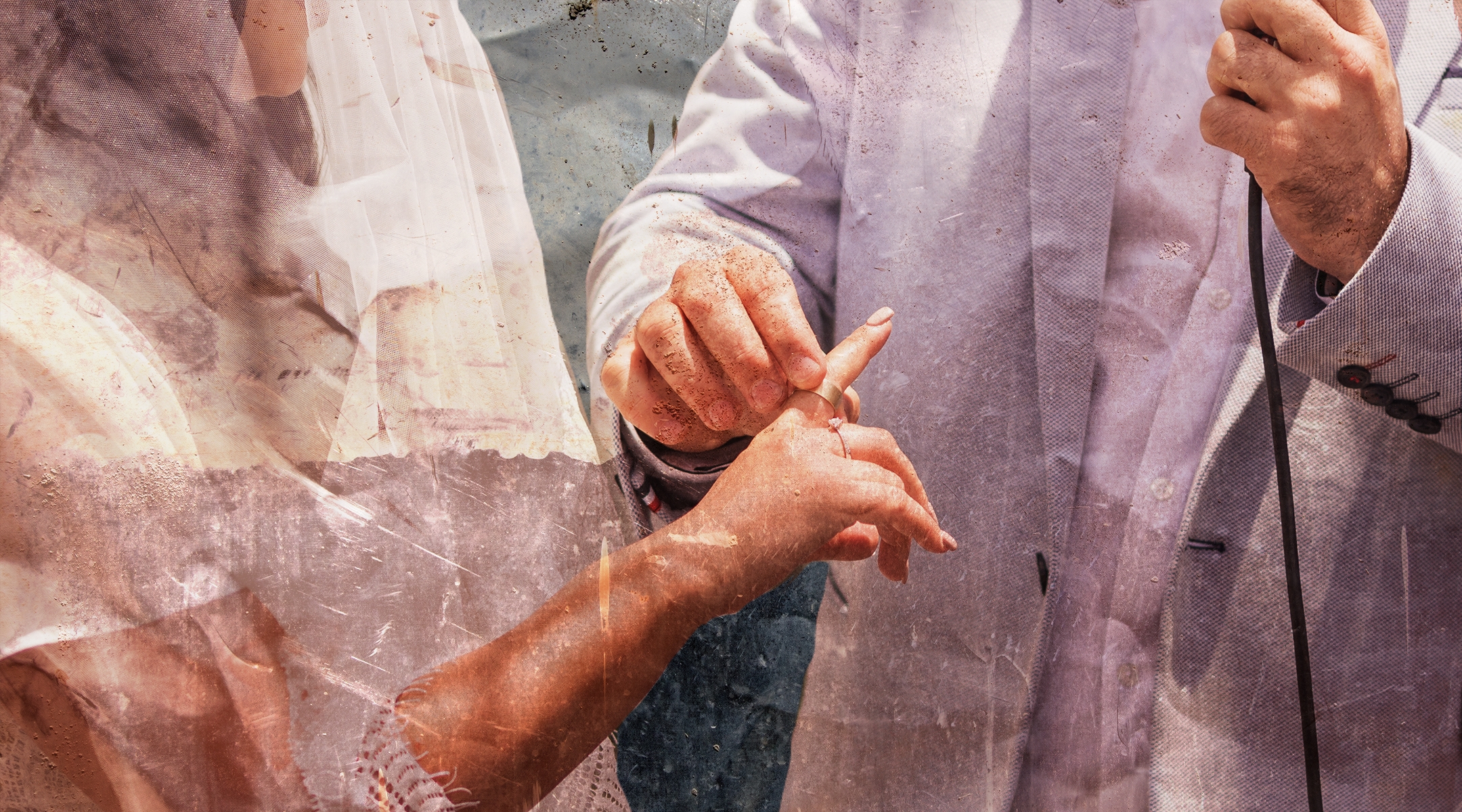
(JTA illustration by Mollie Suss)

Rabbi Elyssa Cherney is the founder and CEO of Tacklingtorah.

Within a wedding there are two ritual moments that stood out to me as I prepared to officiate a wedding outside Philadelphia following the events of Oct. 7.

Shared grief at a communal gathering shouldn’t be overlooked. So I led a moment of silence as a memorial and acknowledgement of remembering those who have been a part of past communities. This can be especially painful for recent loss or if a couple has lost a parent, grandparent, sibling or child whom they would have envisioned being a part of this occasion.

The second is the breaking of the glass, a reminder that we must never take moments of joy for granted. I have often noted particularly shattering moments that align with the couple’s personal values and story prior to them breaking the glass. For this moment, I shared their grief at learning of the horrors unfolding in Israel. “While we share in the blessings of the wedding couple we also remember that marriage is not only about joy, but about supporting one another through the imperfections of the world as well,” I said. “The couple has shared not only their dreams with each other but their deepest fears. They know their relationship is fragile and needs to be treated with love and respect. So as we first shatter this glass as a symbol of the brokenness of our world may their love remain whole and complete always.”

Rabbi Uri Pilichowski is a Jewish educator living in Mitzpe Yericho, Israel. He officiated at a wedding on Oct. 8 in Tel Aviv, one day after the deadly Hamas attacks on southern Israel. 

“Rabbi,” the groom called me, “we’re not sure if we should get married. Our friends have all been called up for reserve duty, and we aren’t sure if it’s appropriate to get married. What do you think?” I was emphatic. “Get married. You’ll do a big party in a month when this is all over. Your family and your fiancé’s family have all flown in. Change the venue and let’s do it!” So we all did.

It was a smaller wedding than planned, but it was joyous and it was a stick in the eye of Hamas. Right in the middle of Tel Aviv we demonstrated that Jewish tradition continues and no one will stop us!

Rabbi Lori Shapiro is rabbi of The Open Temple in Venice, California.

We were in Athens, Greece. People flew in from Israel. The bride and groom were from Paris, and the wedding was held in Athens because one of the families had been saved during World War II by Prince Phillip’s mother, Princess Alice. After the news broke, we met to deliberate: Do we mention the tragedy beneath the chuppah or focus on the simcha?

Against my personal opinion, the groom emphatically chose to focus on the wedding.

Following the wishes of the groom, I limited my words to a brief euphemism during the breaking of the glass. Were I following my instinct, I would have paused and held space and said, “We are all holding space in our hearts at this moment, alive with heartbreak and futility in the face of the horrors we are seeing. And yet, the love of this couple and the work they have before them is a part of the greater plan for repair in this world. Let us take a moment to consider how deeply we observe what is broken and how each of us can rededicate our lives on the merit of this couple towards being partners in peace — from the smallest of moments of our lives, our actions matter as partners for peace in the face of loss and sorrow. And may the broken world of all we have lost make their memories for a blessing.”

But I didn’t.

After the chuppah, an Israeli in the wedding party approached me. “Why didn’t you say something?” he asked with tears in his eyes. I felt ashamed and saddened, a flood of inadequacies in my heart.

The next day, my husband and I were to leave for Santorini for our first vacation together since we had kids. Instead, we changed our flight and flew home.

Rabbi Barry Leff divides his time between the United States and Israel. He spoke at his daughter’s wedding in Jerusalem on Oct. 9, when he told the couple, “It’s a Jewish custom not to delay a wedding when bad things happen. Maybe it’s because so many bad things have happened in Jewish history. It’s an optimistic statement to continue with a wedding. A wedding is about the future. No matter how difficult today is, we are confident the future will be better.” After the wedding, he added a few more thoughts: 

Earlier today, I was thinking in addition to what I said to Katherine and Avichay under the chuppah, I wanted to say something referring to the situation. And I was feeling sad and heavy.

I reminded myself of Rebbe Nachman’s teaching, “mitzvah gedolah l’hiyot b’simcha,” it’s a great and important mitzvah to be happy always, even when it’s difficult to be happy.

And I thought of the commandment in the Talmud, to gladden the heart of the bride and groom.

In other words, I was prepared to have to force myself to be happy in this terrible time.

But when I got here, and saw over a dozen friends and strangers running around, getting everything set up, musicians setting up, a chuppah, and then I saw how beautiful the bride looked, and my heart was overflowing with joy. I don’t think I’ve ever experienced a more joyous wedding.

It’s impossible to say gam zu l’tovah, this too is for the best, for a milchamah, a war, but as far as the ceremony goes, this celebration was so much more intimate, so much more powerful, joyous even, than the originally planned 400 people in a hall. It was amazing, and everyone here felt it.

Rabbi Aviva Fellman is spiritual leader of Congregation Beth Israel in Worcester, Massachusetts. She officiated at a wedding in South Berwick, Maine on Sunday, Oct. 22. 

In our daily prayers, we read from Psalms, hafachta mispdi lmachol li, pitachta saki vatazreni simcha — God, You turn my mourning into dancing, You change my sackcloth into robes of joy. While our hearts break for those who have been lost, those living in constant fear, and especially those still missing, we respond with the fervor of our Israeli brothers and sisters and the resilience of our people throughout history. We declare Am Yisrael Chai, and we keep going, knowing that living, celebrating, and creating a new Jewish family is in and of itself an act of solidarity with Israel, an act of defiance against Hamas, and an act of Jewish survival. So we smile even more widely, we laugh more loudly; we love more deeply and fiercely; we dance more fervently.
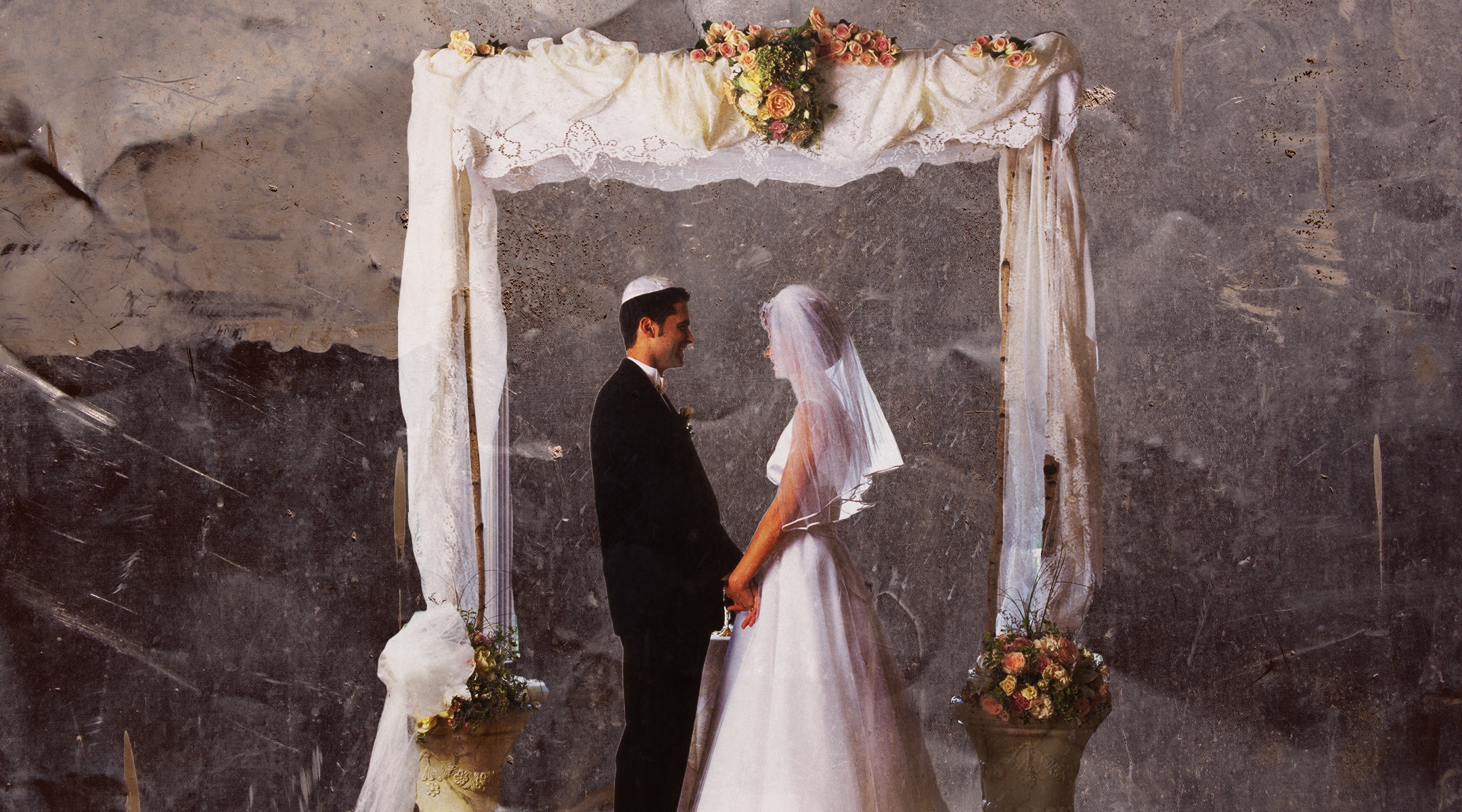
(JTA illustration by Mollie Suss)

Rabbi Craig Axler leads Temple Isaiah in Fulton, Maryland. This past weekend, he officiated at weddings on Saturday night and Sunday evening. He offered these remarks at the wedding Sunday in Bluemont, Virginia:

We will momentarily say the Sheva Brachot, the seven wedding blessings. These blessings are less focused specifically on the wedding couple at first, but rather build on the idea that we live in a world of brokenness and pain, where things are not perfect or even ideal. However, the union of this couple, your love that we celebrate in this moment is one act of tikkun, one repair of the broken world that we live in. Your love makes the world more whole. This is true every time I stand with a couple under the chuppah, but in this particular moment of pain, and recognizing that the culmination of the Sheva Brachot links your wedding rejoicing to the songs of joy and gladness heard on the “cities of Judah and the courtyards of Jerusalem,” we can see that this moment of celebration for you and your family provides one bright and shining opportunity for joy not only here, but reverberating through the Jewish world. May the joy of this union be one step towards bringing us back to a time of celebration and rejoicing here, in Israel for the whole Jewish family, and throughout the world.

Rabbi Karen Glazer Perolman is senior associate rabbi at Temple B’nai Jeshurun in Short Hills, New Jersey. She officiated at a wedding on Oct. 14, where her remarks included these words:

Our tradition also teaches that there are certain commandments for which we assign special meaning — upon performing them in this world we are granted life in the World to Come: one of these is to celebrate with a couple under the chuppah — to dance and eat and drink, to help turn the spark of love into flames of hope in the midst of a dark season. I encourage all of those here tonight to take this commandment seriously and to celebrate as much as humanly possible — to lift up their joy and through them, the spirits of our people.

Rabbi Jay M. Stein, of the Greenburgh Hebrew Center in Dobbs Ferry, New York, officiated at the Oct. 23 wedding of his son. He closed his remarks with these words of advice: 

Today you stand under this chuppah while so many in Israel rush to safe rooms. Both provide shelter. This chuppah is extraordinary in the support it provides.  Constructed of my father’s tallis, and both of your grandfathers’ tallisim. As we are all able to look into this chuppah and you can feel everyone here, we hope you will always feel the safety of knowing that everyone here is invested in you and you can always count on us.

Rabbi Amanda K. Weiss is assistant rabbi of Temple Isaiah in Fulton, Maryland. She officiated at a wedding on Oct. 21 in Phoenixville, Pennsylvania. 

In our last counseling session, a little over a week before, on Oct. 13 — the “Global Day of Jihad,” calling for violence against Israel and the Jewish people worldwide — the brides, with deep respect for the sensitivity of the moment, asked how they might recognize the severity of the war in Israel while maintaining the joy of their well-deserved celebration.

Guided by the wisdom found in the Talmud’s Berakhot 30b-31b, which poignantly speaks of the remembrance of the Temple’s destruction in Jerusalem, the brides and I decided that they would connect it to their rehearsal dinner, and they chose to explain the significance of remembering the brokenness of the world even in our brightest moments. Whether a broken glass at a wedding or a missing piece of a newly constructed home, we are meant to remember that the world is never quite complete — that there is always something that requires a bit of awareness and compassion. As they spoke to this during their rehearsal dinner, the room quieted; their acknowledgement allowed their guests to share that many of their loved ones knew people (or knew people who knew people) who were fighting, were in reserves, or had fallen in battle during this war.

During the wedding ceremony itself, I drew back to the brides’ points and connected it specifically to the glass breaking to conclude the wedding ceremony. This, combined with the joy of the brides breaking their own glasses in tandem allowed for the joy to envelop the sadness, reminding us that there is always the opportunity to overcome.

This article originally appeared on JTA.org.

The post How to conduct a Jewish wedding when Israel is still burying its dead? These rabbis did it. appeared first on The Forward.


The post How to conduct a Jewish wedding when Israel is still burying its dead? These rabbis did it. first appeared on The News And Times – thenewsandtimes.com.


Categories
The News And Times – thenewsandtimes.com

Albania has long been a pro-Israel country. Will the Hamas war change that?


TIRANA, Albania (JTA) — Hidden behind a wooden gate in Tirana’s Toptani district, construction workers are busy converting a 19th-century Ottoman mansion into the Besa Museum — a long-planned shrine to Albania’s embrace of Jews fleeing Nazi persecution during World War II.

About 100 miles south, in the Adriatic port city of Vlora — nestled among trendy cafés along a cobblestoned street where Jews once lived — a multimedia museum designed by Tel Aviv-based architects will soon portray the richness of Albania’s Jewish history, from the Spanish Inquisition to the Holocaust.

The building of one, let alone two, such museums in an impoverished Balkan country that’s home to more than a million Muslims but only about 60 Jews is a remarkable turn of events. The Marxist regime that ruled Albania from 1946 to 1991 outlawed all religions in 1967 — including Judaism — and reviled Israel as the “little devil” of the United States.

But Albania is also known as the only European country that had more Jewish residents after World War II than before it. In recent years, officials have looked to promote that narrative and cultivate ties with Israel. The story stems, in their view, from their nation’s culture of “besa” — Albania’s medieval code of honor, which requires people to welcome any guests, including foreigners, as their own.

“The rescue of the Jews during World War II is one of the most beautiful pages in the history of the Albanians. Christians and Muslims sacrificed everything to protect them,” said Elva Margariti, Albania’s minister of culture, when announcing the Besa Museum earlier this year. “For Albanians this is besa. It is a value that we will pass on to our children, telling them this extraordinary story.”

Albania’s warm feelings toward Israel will be tested in the weeks and months to come. Pro-Israel sentiment is already dropping in the wake of Israel’s war against Hamas in Gaza, which was sparked by the terror group’s bloody incursion into southern Israel on Oct. 7.

An online survey of Albanians conducted Oct. 13 by Tirana pollster Eduard Zaloshnja showed relatively strong sympathy for Israel in the war’s first week. Of the 2,320 people who responded to what Zaloshnja concedes was a “quick and dirty, not scientific” questionnaire, 50% said they were pro-Israel, 36% identified as pro-Palestine and 14% said they were “undecided.”

This Ottoman mansion in Tirana’s Toptani district is being converted into the Besa Museum — a shrine to Albania’s tradition of welcoming Jews and other foreigners. (Larry Luxner)

However, support for Israel has since fallen, Zaloshnja said, especially since an explosion at a Gaza City hospital that Hamas immediately blamed on Israel. Video and other evidence have led to the widespread assessment that the blast, which may have killed hundreds, was caused by a misfired rocket launched by the Islamic Jihad terror group.

On Oct. 16, the United Nations Security Council rejected a resolution that condemned Israeli airstrikes on Gaza and demanded an immediate ceasefire. Five countries including China and Russia voted in favor while four — the United States, France, Germany and Japan — voted against it because the resolution failed to specifically condemn Hamas. Albania, which currently has a seat on the body, was one of six countries to abstain.

Two days later, Albanian Prime Minister Edi Rama tweeted that although “Hamas is a cancer in the body of humanity,” there’s no excuse for “turning a blind eye” to the Israeli response.

“In this conflict, Albania and the entire democratic world stand firmly on the side of Israel, barbarically targeted by the depravity of Hamas terrorists!” wrote Rama, whose party is often described as center-left. “However, the democratic world must also be a guarantor of the truth and the justice for the hundreds of victims of the bombed hospital in Gaza.”

On Friday, hundreds of Albanian Muslims converged on Skanderbeg Square, Tirana’s main plaza, shouting pro-Palestinian slogans and waving “Free Gaza” placards.

“I’m reading comments on Albanian social media accounts that local Islamists are inundating with conspiracy theories,” said Zaloshnja. “My personal feeling is that there’s an older generation of Albanians who were indoctrinated by hatred toward Israel and support for the Palestinian cause. That generation is still alive.”

A Jewish community scattered

In 1991, Albania’s Marxist regime collapsed, in a year that marked the end of communism in Eastern Europe. The new democratic government immediately established diplomatic relations with Israel, but it took another 21 years for an Israeli embassy to open in Tirana.

Today, Albania has three honorary consuls in Israel: one responsible for Tel Aviv, Jerusalem and the central region; another in Haifa, covering northern Israel; and a third in Eilat for southern Israel and the Negev. Some 54 Israeli companies currently operate in Albania, including drip irrigation firm Netafim, and the Balkan country has become a popular destination for Israel tourists, with seasonal nonstop flights linking Tel Aviv and Tirana.

Prince Leka II is the grandson of Albania’s King Zog, who was widely credited with welcoming Jews fleeing Nazi persecution. (Larry Luxner)

But Albania has another, more complicated side to its history and its ties to the Middle East. Terrorists belonging to the Palestine Liberation Organization used to train in Albania for six months of guerrilla warfare at a military base in Zall-Herr, just north of Tirana. More recently, between 50 and 60 Albanians — mostly from very poor villages in the southeast — were recruited to fight for ISIS.

News articles often portray Albania as a majority-Muslim country, but the reality is more nuanced. About half of Albania’s 2.6 million inhabitants don’t identify with any religion, a legacy of the atheism imposed by Enver Hoxha, who ruled the country from 1946 until his death in 1985. Of those who do, roughly 50% are Bektashi — an Islamic Sufi mystic order — while 21% practice traditional Islam and the remaining 29% consider themselves Christian Orthodox or Catholic.

The Jewish presence in Albania was always tiny. Before World War II, Albania was home to perhaps 300 Romaniote Jews — a Greek-speaking ethnic community. Most of them lived in Vlora, with a smaller community in Tirana and scattered Jewish families in other cities and towns.

At its peak, perhaps 3,750 Jewish refugees from Greece, Austria, Bulgaria, Italy and the former Yugoslavia lived in Albania. Some Jews fought as partisans against the Nazis, and their memories are honored in a special exhibit at Albania’s National History Museum fronting Skanderbeg Square.

After the war, Albania’s Jewish population quickly dropped back to around 300 as foreign Jews left. In 1991 — as soon as the communist regime collapsed — nearly the entire community fled en masse to Israel.

Today, not a single Jew is left in Vlora — a city that recently renamed the street of Rruga Phoma Byko to Rruga Ebrenjve, or Street of the Jews. Nearly all the Jews who have stayed in Albania reside in Tirana, said Amos Dojaka, president of the Albanian Jewish Community. The group’s official design is a merged menorah and Albanian double-headed eagle.

“Albania was closed for more than 50 years, so for that reason nobody knew the story” of the rescue of Jews from the Nazis, said Dojaka, 56, a Tirana businessman who works in the import-export sector.

“Saving Jews was very dangerous, so it’s good for the younger generation and also tourists to know about this,” said Dojaka, who lived for two years in Ashdod, Israel, during the late 1990s.

He thinks that “most people here” still support Israel. “Our two countries have similar histories, and nobody here supports terrorism,” Dojaka said.

This historic building in the heart of Vlora will soon house the Jewish Museum of Albania. (Larry Luxner)

Prince Leka II — the grandson of King Zog, who ruled Albania from 1928 until fascist Italian occupiers forced him into exile in 1939, never to return — said he was proud that his grandfather allowed Jewish refugees into the country in the 1930s and provided for them.

“He risked his position as king but refused to be a puppet,” Leka explained over coffee at the Maritime Plaza Hotel’s Queen Geraldine Room, which is named after his grandmother. “That’s why he had to leave Albania after the invasion.”

Another prominent Albanian Jew is Geri Kureta, 55, owner of a chain of kids’ clothing and toy stores. He has five outlets in Tirana, one in Vlora and one in the resort city of Durres. For 16 years, Kureta lived in Karmiel, in Israel’s Galilee, but decided to return to his native Albania in 2007. His 82-year-old father and 76-year-old mother are still in Karmiel.

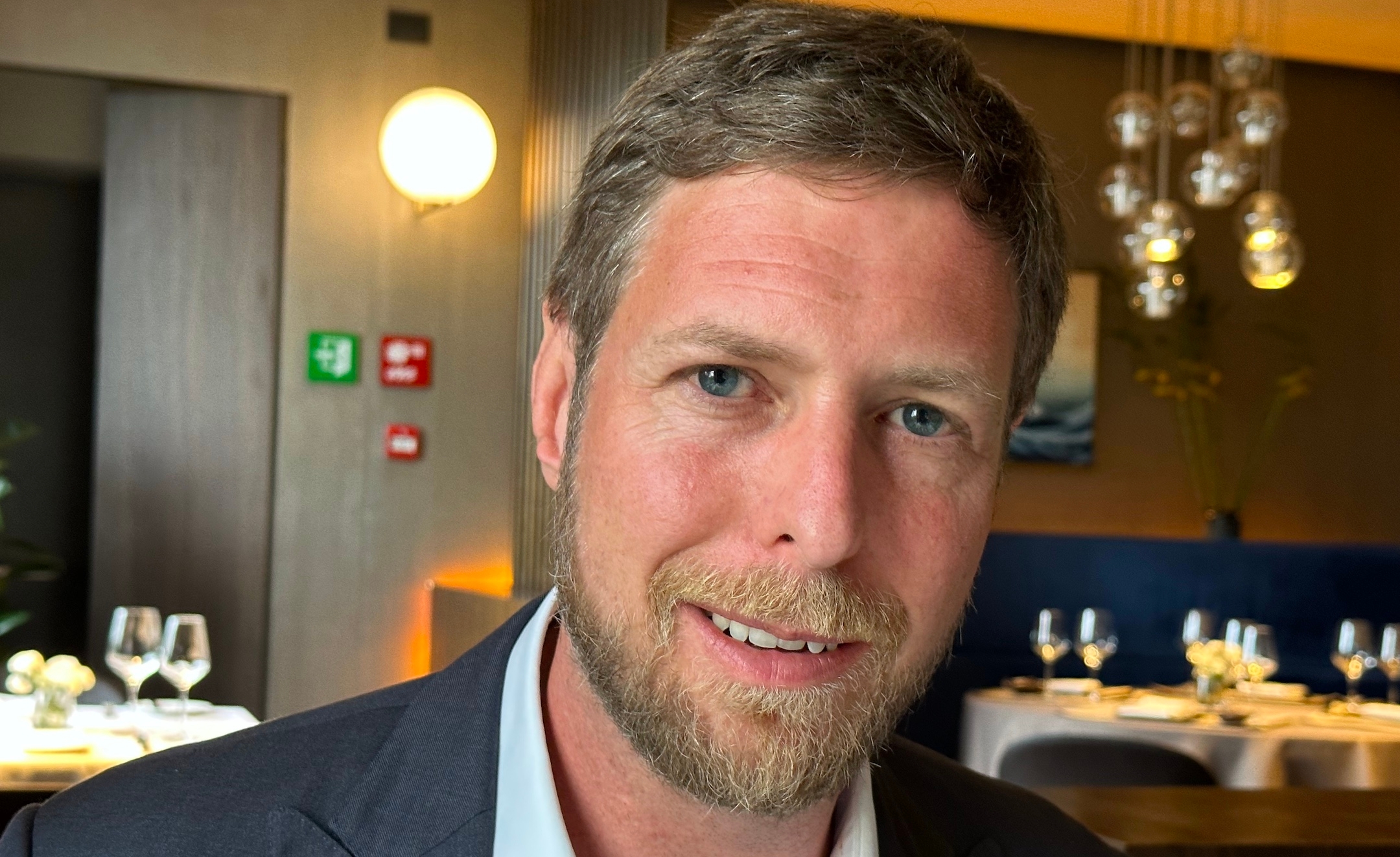
“I am very worried,” said Kureta, who speaks fluent Hebrew. “Everyone knows I have family in Israel, and all of them call and ask me about them. People here see a lot on TV about Gaza. I don’t think Israel has explained itself very well. Of course I blame Hamas, but at the end of the day, it’s a war. Sometimes we don’t have any other choice.”

Blendi Gonjxhi, head of the government office that oversees Albania’s road transport services, told the Jewish Telegraphic Agency that Israel was completely justified in striking back at Hamas after its bloody rampage.

“Things must be seen as they are,” said Gonjxhi. “If you see how much money Hamas spent to prepare for this attack, you’ll understand why Gaza is so poor. You cannot build tunnels and rocket launchers in a crowded neighborhood and then complain that this neighborhood is being bombed, or ask the people you attacked to supply your water and electricity.”

A tale of two museums

When Nazi troops occupied the country, Albania’s inhabitants gave shelter to local Jews as well as refugees, hiding them in their homes, dressing them in native costume and even giving them Muslim names to fool the Germans — in keeping with the tradition of besa. To honor that tradition, Albania is building the Besa Museum, which will be dedicated to the stories of Albanian citizens who saved Jews during the Holocaust.

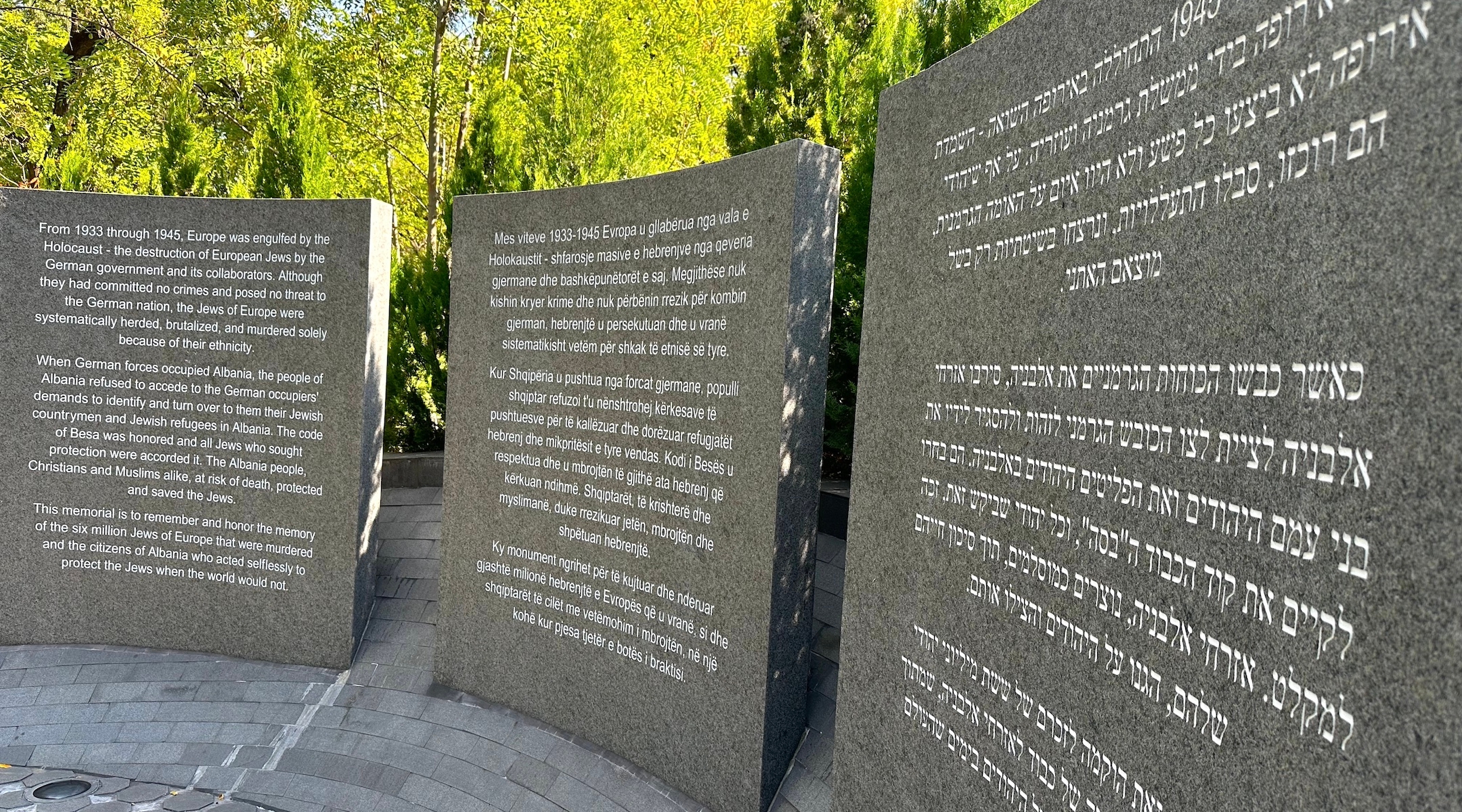
Albania’s national Holocaust memorial, situated in a Tirana park, has commemorative plaques in Albanian, English and Hebrew. (Larry Luxner)

The museum, which will be located in what is now a badly dilapidated mansion in Tirana — was announced in March by Rama during a visit to Jerusalem. But few details are available, and an onsite security guard refused to let a reporter in to take photos of the site.

“For 30 years, I’ve been dreaming of this. I never thought my idea of a Jewish museum would really happen,” said Anna Kohen, a retired New York dentist and author of the autobiographical “Flower of Vlora: Growing Up Jewish in Communist Albania.” Now 78 and living in Florida, she pitched the museum concept to city officials years ago.

Likewise, the 21,000-square-foot Jewish Museum of Albania, slated to open in 2025, will soon rise on the current site of Vlora’s Ethnographic Museum, which is located in the middle of a small plaza. For now, graffiti is scrawled on nearby walls next to the Sophie Caffé and other boutique shops.

The $2.5 million Vlora project is financed by the Albanian-American Development Fund (AADF) and is being designed by Israeli architect Etan Kimmel, whose Tel Aviv company beat four European firms for the winning bid.

“We’ve always been aware that it was necessary to have something to remind people of the long-term relationship between Albania and the Jews,” said the AADF’s project manager, Alketa Kurrizo. “This will be a 21st-century Jewish museum that talks not only about history and what we have done, but about Albania’s Jewish history going back to medieval times. This museum is one all of us will be proud of, and we’re sure that people from Israel will also come to visit.”

Upon completion, the museum will consist of one underground floor and four floors above ground as a modern glass extension to the existing historic building. Besides a permanent exhibit area, plans call for classrooms, office space, a library and an auditorium.

“This will be our first museum outside Israel,” said Kimmel, whose projects include the National Memorial at Mount Herzl, the Natural History Museum in Tel Aviv and Jerusalem’s Tower of David Museum, as well as numerous Israeli embassies around the world.

Both of the two planned museums are being financed by taxpayers in Albania, which despite a dramatic jump in tourism this year remains one of Europe’s poorest countries. Prince Leka insists it’s crucial for Albanians to know their past in order to prevent future atrocities — particularly in Europe, where violent assaults against Jews and firebombing of synagogues and other Jewish and Israeli targets have skyrocketed since the current war began.

“We have a huge amount of sympathy for Israel today,” he said. “What happened on Oct. 7 was not a military attack, it was a terrorist attack. Armies do not rape women, they do not abuse children. Anyone who justifies these criminal acts is on the wrong side of history.”

This article originally appeared on JTA.org.

The post Albania has long been a pro-Israel country. Will the Hamas war change that? appeared first on The Forward.

The post Albania has long been a pro-Israel country. Will the Hamas war change that? first appeared on The News And Times – thenewsandtimes.com.


Categories
The News And Times – thenewsandtimes.com

House overwhelmingly passes resolution condemning Hamas Oct. 7 massacres


10-25-2023-Jeffries-Johnson.jpg?_t=16983

WASHINGTON (JTA) — In its first action under its new speaker, the U.S. House of Representatives overwhelmingly condemned the deadly invasion of Israel by Hamas on Oct. 7, which launched Israel’s current war against the terror group in Gaza.

“With the most cosponsors of any resolution ever, this measure sends a clear message across the globe: The U.S. stands with Israel,” Rep. Michael McCaul, the Texas Republican who chairs the Foreign Affairs Committee, said after the vote Wednesday, posting on X, the platform formerly known as Twitter.

The resolution was approved 412-10, with another six members voting present, out of 435 congressional seats. A number of lawmakers were absent, and at least one seat remains empty pending a special election.

McCaul, working with his Democratic counterpart on the committee, New York’s Gregory Meeks, garnered 425 co-sponsors for the resolution, which declares that the House of Representatives “stands with Israel as it defends itself against the barbaric war launched by Hamas and other terrorists” and “stands ready to assist Israel with emergency resupply and other security, diplomatic, and intelligence support.” Among the co-sponsors, unusually, were party leaders, including Rep. Hakeem Jeffries of New York, the Democratic minority leader.

Meeks and McCaul, with the backing of the American Israel Public Affairs Committee, first pressed for the resolution on Oct. 10, three days after Hamas’s invasion. Within a day they had garnered 390 co-sponsors, including progressives who have been harshly critical of Israel. But they were frustrated by the inability of Republicans to elect a speaker after a cadre of far-right lawmakers ousted Kevin McCarthy, the California Republican who previously held the role. McCaul pledged to make the resolution the first thing the House passed under a new Speaker.

Mike Johnson, the Louisiana Republican who ended weeks of stalemate with his election as speaker just before the vote, said in his first remarks in the role that he was committed to Israel’s security.

“We have no better friend in the Middle East than the state of Israel,” he said. “Israel has a right to exist as a Jewish and democratic state. the special relationship between the United States and Israel is unbreakable. Our commitment to Israel’s security is ironclad and Israel has a right to defend itself under the international rules of war against the brutal terror unleashed on its citizens by Hamas.”

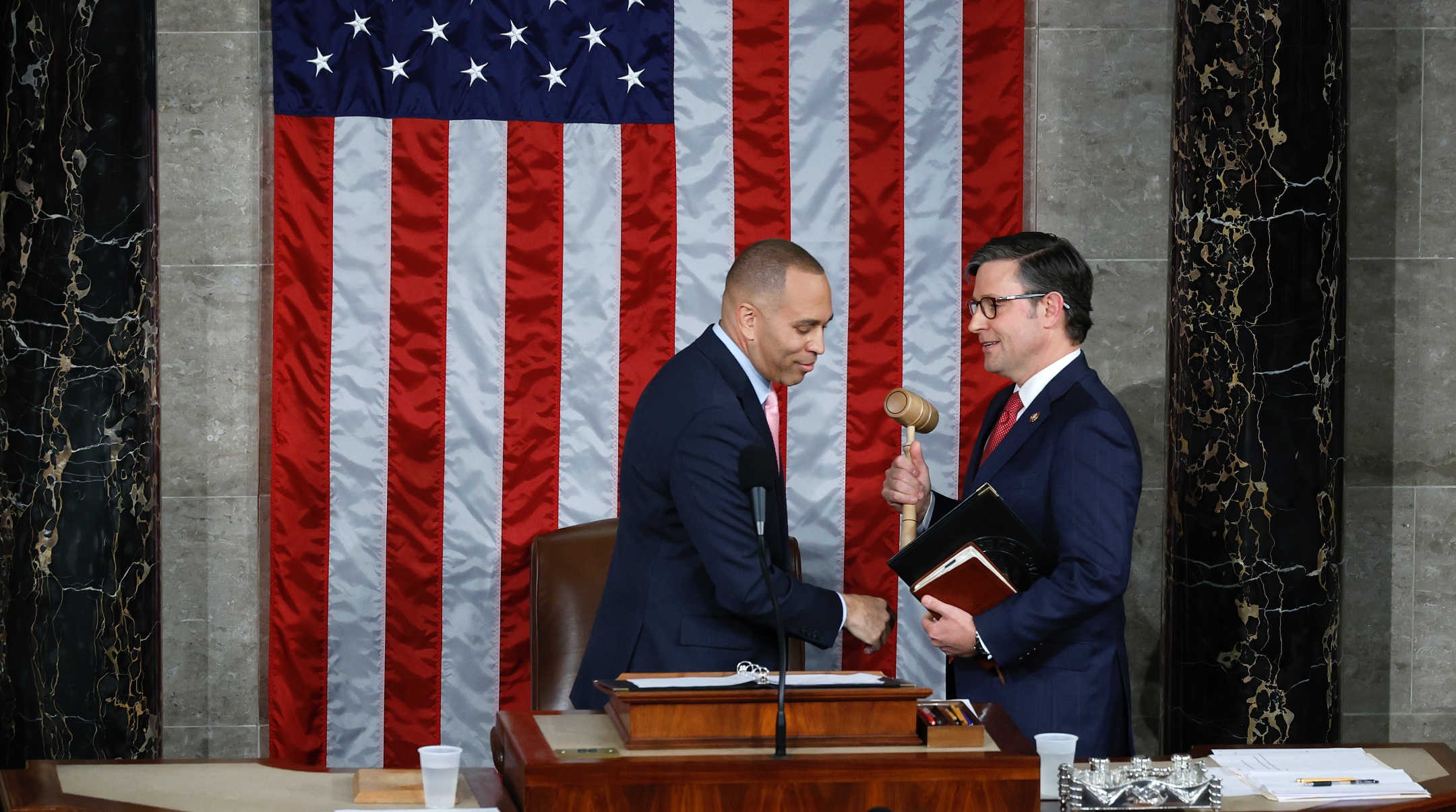
Jeffries, who participated in the ceremonial passing of the gavel to Johnson, also expressed support for Israel in his remarks.

Johnson said he would work with President Joe Biden to pass emergency defense assistance for Israel. Biden has asked for $10.4 billion, which Republicans say they are amenable to; however, he has coupled it with a request for $60 billion in assistance for Ukraine as it continues to fend off Russia’s invasion, which is controversial among Republicans.

Five of the six co-sponsors who voted “present” were on the Democratic Party’s progressive left, which came under intense pressure from outside groups to refrain from backing a resolution that did not call for a ceasefire. They were Pramila Jayapal of Washington, Joaquin Castro of Texas, Nydia Velázquez of New York, Greg Casar of Texas, and Chuy Garcia of Illinois. The sixth lawmaker voting “present” was Ayanna Pressley, a Massachusetts Democrat who did not co-sponsor the resolution.

Voting against were Thomas Massie of Kentucky, a Republican, and nine Democrats: Rashida Tlaib of Michigan, Ilhan Omar of Minnesota, Alexandria Ocasio-Cortez of New York, Jamaal Bowman of New York, Cori Bush of Missouri, Al Green of Texas, Summer Lee of Pennsylvania, Andre Carson of Indiana and Delia Ramirez of Illinois. Most of the Democratic “no” votes were from the Squad, a group of progressive lawmakers.

Omar said in a statement that she could not support a resolution that only noted the victims of Hamas without also noting Palestinians killed in Israel’s subsequent airstrikes in Gaza. Like many of the others who voted no, she is also pushing for a ceasefire, which the Biden Administration opposes.

“I’m committed to peace and a prompt ceasefire,” she said. “While the resolution rightly acknowledges and mourns the lives taken by Hamas, I cannot support a resolution that fails to acknowledge and mourn the lives of Palestinians taken by the Israeli military.”

Hamas killed more than 1,400 people, most of them civilians, in its raids, wounded thousands of others and abducted more than 200. Gaza’s Hamas-controlled health ministry says that Israeli strikes have so far killed more than 5,000 Palestinians, including many children. How many of the Palestinian dead are terrorists and how many are civilians cannot currently be assessed.

This article originally appeared on JTA.org.

The post House overwhelmingly passes resolution condemning Hamas Oct. 7 massacres appeared first on The Forward.
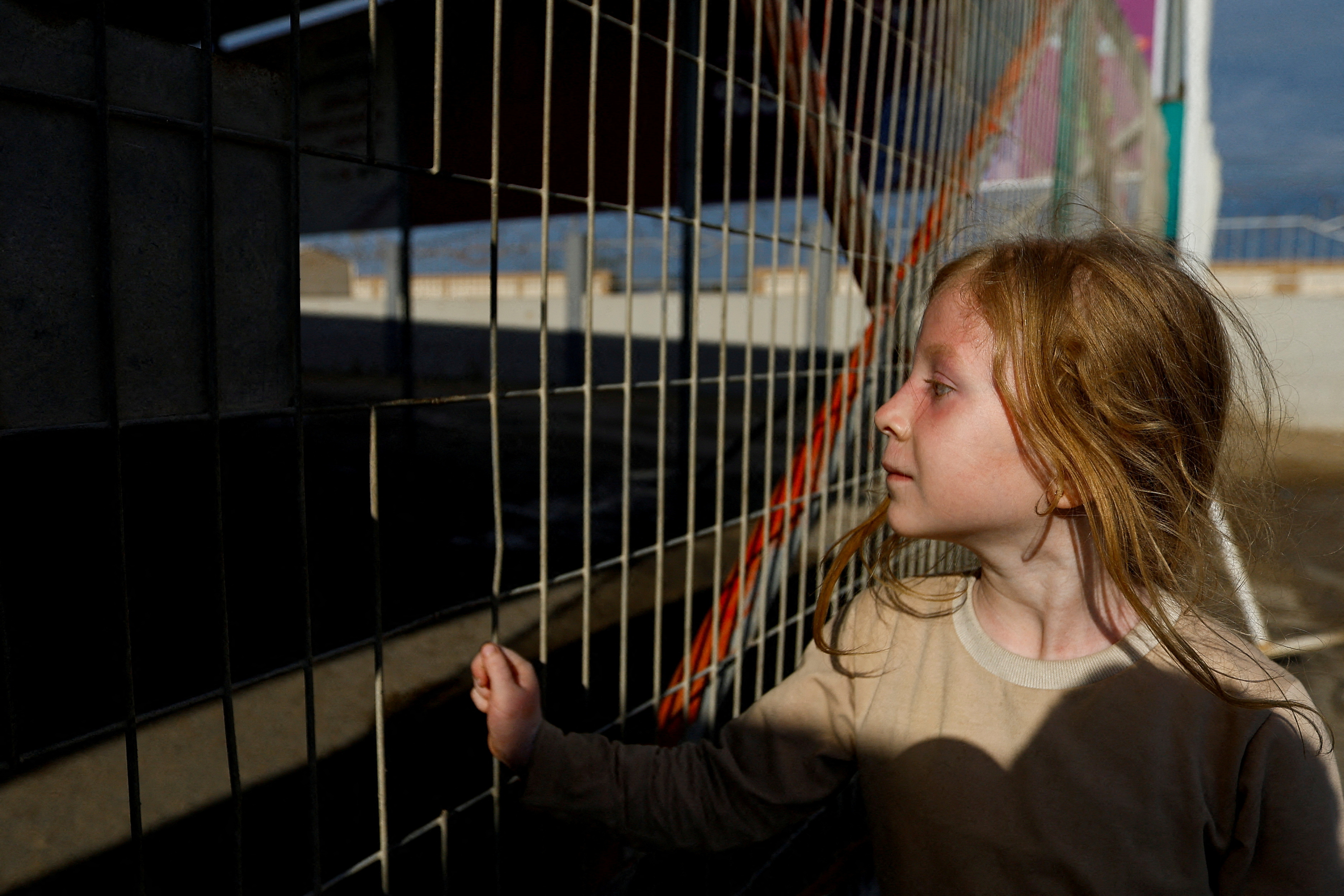
The post House overwhelmingly passes resolution condemning Hamas Oct. 7 massacres first appeared on The News And Times – thenewsandtimes.com.


Categories
The News And Times – thenewsandtimes.com

Stocks hurt by U.S. 10-year yield“s climb back near 5%, earnings misses


2023-10-26T11:34:36Z

U.S. Treasury yields were heading back towards 5% on Thursday, dragging shares around the world to multi-month lows in the middle of a busy week for corporate earnings, with an ECB meeting and the release of U.S. GDP to come later in the day.

A rebound in U.S. home sales and an auction of five-year notes that showed weak demand were the latest trigger for concern in the bond market, which saw the U.S. 10-year Treasury yield rise 11 basis points on Wednesday.

That move continued on Thursday, with the benchmark yield reaching 4.989%, challenging the 5.021% – the highest since 2007 – hit earlier in the week.

“The Treasury market is clearly very much top of mind, the big back-up in yields yesterday appeared to have quite a negative impact on equities as well, so how that evolves and how it reacts to data we have this week will be the big swing factor for global markets,” said Kiran Ganesh, global head of investment communications at UBS Wealth Management.

U.S. third-quarter GDP, released later on Thursday, is unlikely to provide help for the bond market as it is expected to show the U.S. economy grew at its fastest quarterly pace in two years, and so offer nothing to derail expectations the Federal Reserve will keep rates high for longer.

Friday’s personal consumption expenditure (PCE) price index, the Fed’s preferred inflation gauge, is also top of mind, as is Thursday’s European Central Bank meeting, at which the bank is expected to snap a 15-month streak of hikes but keep rates at record highs.

Europe’s broad STOXX index was down 0.8%, just off seven-month lows hit earlier in the week, (.STOXX) and MSCI’s broadest index of Asia-Pacific shares outside Japan (.MIAPJ0000PUS) hit an 11-month low.

U.S. Nasdaq futures were down 1.2% and S&P 500 futures were off 0.7%, even after all three main U.S. benchmarks had closed Wednesday sharply lower.

Ganesh said there were three main things pushing stocks lower.

“High yields are reflecting concerns that rates will have to stay high for longer, and that won’t be good for the economy longer term; high yields are also competing for equity market investment; and the start of the earnings season has been a mixed bag, but generally on the negative side.”

European banks were the big earnings story on Wednesday, with Standard Chartered (STAN.L) at one point falling more than 17% while BNP Paribas (BNPP.PA) fell 4.5% and Swedbank (SWEDa.ST) 7.5% all after results.

The broader European banking index (.SX7P) fell as much as 2.4% to its lowest in four months, with Spain the only positive.

U.S. tech stocks have also been reporting, and Alphabet (GOOGL.O) shares logged their worst session since March 2020 overnight, dropping 9.5% as investors were disappointed with stalling growth in its cloud division.

Meta Platforms (META.O) dropped 2.6% in premarket trading, even after its third-quarter results beat expectations, with the Facebook parent forecasting 2024 spending above estimates and suggesting the conflict in Israel and Gaza could dampen fourth-quarter sales.

Amazon.com shed 1.4% ahead of its results after the closing bell Thursday.

In currency markets, the dollar index hit a two-week high of 106.88, driven by the higher yields, and the yen weakened past 150 per dollar, a level that has put traders on guard for intervention to support the Japanese currency, and to a 10-month low of 150.78 per dollar.

Oil prices slipped after a rise in U.S. crude stockpiles and due to the stronger dollar, though the war in the Middle East loomed large in traders’ minds. U.S. crude dipped 1.73% to $83.88 a barrel. Brent crude fell 1.36% to $88.91 per barrel.

Spot gold rose 0.36% to around $1,986.6 per ounce, testing last week’s five-month high.

($1 = 7.3181 Chinese yuan renminbi)

Related Galleries:

The German share price index DAX graph is pictured at the stock exchange in Frankfurt, Germany, October 25, 2023. REUTERS/Staff/File Photo

A woman walks past a man examining an electronic board showing Japan’s Nikkei average and stock quotations outside a brokerage, in Tokyo, Japan, March 20, 2023. REUTERS/Androniki Christodoulou/File Photo

The post Stocks hurt by U.S. 10-year yield“s climb back near 5%, earnings misses first appeared on The News And Times – thenewsandtimes.com.


Categories
The News And Times – thenewsandtimes.com

Why is the Rafah border crossing important and when will it open?


2023-10-26T11:34:16Z

The Rafah crossing has become a focus in the intensifying conflict between Israel and Hamas, as hundreds of thousands of Palestinians have headed towards south Gaza in recent days. Alice Rizzo explains why the crossing is so important and why Egypt has been reluctant to open it.

A Palestinian with dual citizenship waits outside the Rafah border crossing with Egypt in the hope of getting permission to leave Gaza, amid the ongoing Israeli-Palestinian conflict, in Rafah in the southern Gaza Strip October 17, 2023. REUTERS/Ibraheem Abu Mustafa

The Rafah crossing is the main entrance and exit point to the Gaza Strip from Egypt. It has become a focal point of efforts to deliver aid to Palestinians since Israel imposed a “total siege” on the enclave following a deadly incursion by Hamas militants on Oct. 7.

Humanitarian deliveries through Rafah began on Oct. 21. U.N. agencies say they are not nearly enough to meet the needs of the 2.3 million population in Gaza, where clean water, food, medicines and fuel are running low.

The Palestinian Red Crescent said it had received 74 aid trucks into the Rafah crossing so far, including 12 on Thursday. U.N. officials say about 100 trucks are needed each day to meet essential needs.

The trucks have been carrying water, food and medicines but not fuel, which Israel says could be used in the conflict by Hamas.

Aid officials say Rafah’s principal role in the past had been as a civilian crossing and that it was not equipped for a large-scale aid operation.

Trucks carrying aid have been driving through the Egyptian border gate at Rafah before heading more than 40km (25 miles) to the Egyptian-Israeli crossing of Al-Awja and Nitzana, south of Egypt’s short border with Gaza, for inspection, as agreed in negotiations with Israel. Trucks return into Egypt empty, with the aid reloaded onto separate trucks for delivery into Gaza.

During past conflicts between Israel and Hamas in Gaza, aid had mainly been delivered through crossing points with Israel, and the U.N. aid operation for the Palestinian territories has been run through Israel since the 1950s.

The crossing is at the south of the Gaza Strip, a narrow sliver of land wedged between Israel, Egypt and the Mediterranean Sea. It is controlled by Egypt.

In response to the cross-border infiltration by Hamas fighters on Oct. 7 that killed more than 1,400 Israelis, Israel imposed a total blockade of Gaza, leaving Rafah as the only route in for humanitarian aid and the only exit point for Gaza residents seeking to flee.

More than 6,500 Palestinians have been killed, according to health authorities in the Hamas-run Gaza Strip, since Oct. 7.

Egypt is wary of insecurity near the border with Gaza in northeastern Sinai, where it faced an Islamist insurgency that peaked after 2013 and has now largely been suppressed.

Since Hamas took control in Gaza in 2007, Egypt has helped enforce a blockade of the enclave and heavily restricted the flow of people and goods.

In 2008, tens of thousands of Palestinians crossed into Sinai after Hamas blasted holes in border fortifications, prompting Egypt to build a stone and cement wall.

Egypt has acted as a mediator between Israel and Palestinian factions during past conflicts. But in those situations it has also locked down the border, allowing aid to enter and medical evacuees to leave but preventing any large-scale movement of people.

Arab countries have deep-rooted fears that Israel’s latest war with Hamas in Gaza could spark a new wave of permanent displacements.

Egypt, the only Arab state to share a border with Gaza, and Jordan, which flanks the Israeli-occupied West Bank, have both warned against Palestinians being forced off their land.

For Palestinians, the idea of leaving or being driven out of territory where they want to forge a state carries echoes of the “Nakba“, or “catastrophe”, when many fled or were forced from their homes during the 1948 war that accompanied Israel’s creation.

Israel contests the assertion it drove Palestinians out, saying it was attacked by five Arab states after its creation.

The post Why is the Rafah border crossing important and when will it open? first appeared on The News And Times – thenewsandtimes.com.


Categories
The News And Times – thenewsandtimes.com

The Menendez Indictment Could Be a Turning Point


The case against the New Jersey senator has the potential to reshape how America deals with foreign agents.

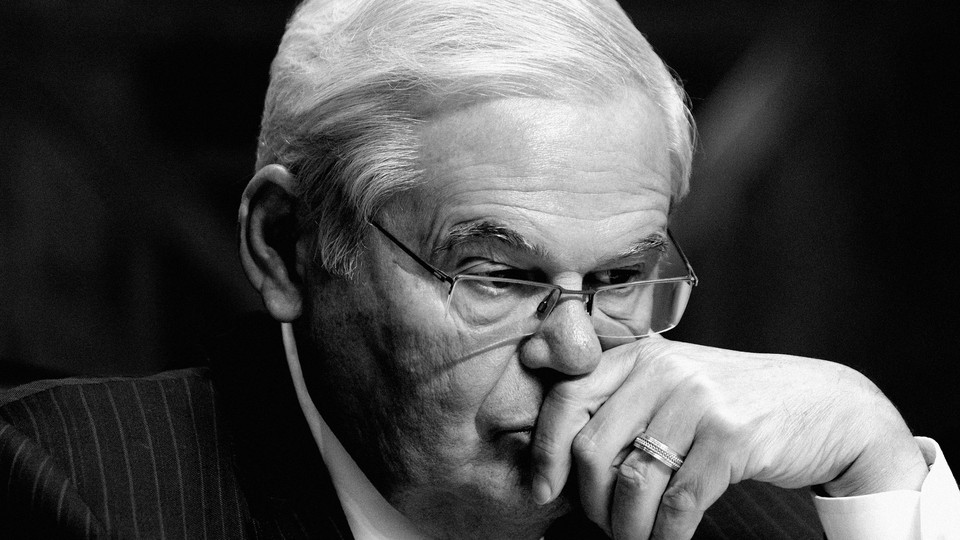
A photo of Bob Menendez

Stephanie Scarbrough / AP

October 26, 2023, 7:30 AM ET

Even before Bob Menendez was charged earlier this month with conspiring to act as a foreign agent, dozens of his fellow Democrats were calling on him to resign. Prosecutors say Menendez used his political office to influence American policy at the behest of the Egyptian government. He remains a senator—for now—but the latest indictment, coming after corruption charges last month, further complicates his fate. Last week, Menendez, who has pleaded not guilty to all counts, missed an all-senators classified hearing on Israel—no small indignity for a former chair of the Foreign Relations Committee.

According to the indictment, the senator from New Jersey passed along sensitive information to Egypt, acted as a ghostwriter for its officials, and accepted “hundreds of thousands of dollars of bribes.” While researching my next book, a history of the foreign-lobbying industry in the United States, I didn’t come across anything quite like these allegations. They appear to be the first time that an elected federal official has been formally accused of acting as an agent of a foreign government.

Menendez has repeatedly professed his innocence and his loyalty to America. After his arraignment earlier this week, he released a statement calling the foreign-agent charge “as outrageous as it is absurd.” His trial is set for May, when Menendez says he’ll be shown to have done nothing wrong.

Read: Why this time is different for Bob Menendez

Even if the allegations are disproved, however, they could reshape how America prosecutes and punishes the kind of misconduct that Menendez is charged with. Until recently, the U.S. has largely ignored its best tool for deterring covert foreign agents. The case against Menendez signals an overdue willingness to use it.

Menendez’s alleged behavior might be novel, but we were warned of its possibility centuries ago. The Founding Fathers recognized that, in some ways, America is particularly vulnerable to foreign influence. “One of the weak sides of republics, among their numerous advantages, is that they afford too easy an inlet to foreign corruption,” Alexander Hamilton wrote in The Federalist Papers. The danger may be greater today: Underpaid and overworked, U.S. officials are ripe for targeting by foreign powers eager to sway decisions in Washington. History, Hamilton noted, “furnishes us with so many mortifying examples of the prevalence of foreign corruption in republican governments.” Why would the U.S. be any different?

For years, these concerns appeared overblown. (Though not entirely: James Wilkinson, who served as the highest-ranking officer of the U.S. Army under each of the first four presidents, was revealed after his death to be an agent of the Spanish monarchy.) Then came the 19th century’s greatest foreign-corruption scandal.

In the late 1860s, Russia’s czarist regime was broke and desperate to sell Alaska, its easternmost province. So the Russian ambassador, Edouard de Stoeckl, secretly hired former U.S. Treasury Secretary Robert Walker to persuade Washington to buy it. Walker quickly obliged, publicly endorsing the purchase, planting articles in influential newspapers, and allegedly—no hard proof ever emerged—bribing legislators. Within a matter of months, Congress voted to back the purchase. When the details of Stoeckl’s gambit later spilled out, one critic described it as the “biggest lobby swindle ever put up in Washington.”

Walker’s offenses were shocking, but at least he had the decency to leave office before committing them. This sets him apart from the precedent that Menendez has now allegedly established. A more recent case, however, comes close.

In 1999, nearly 50 years after his death, Representative Samuel Dickstein of New York was revealed to have been a Soviet agent. KGB archives showed that Dickstein used his office to grant Soviets access to U.S. passports and, in one instance, to pass information about a Soviet defector who was later found dead in a hotel room.

Unlike other Americans recruited by the Soviet Union, Dickstein did not appear to have communist sympathies. Rather, Dickstein—whom Soviet officials nicknamed “Crook”—seemed interested only in money. “‘Crook’ is completely justifying his code name,” Soviet officials wrote. “This is an unscrupulous type, greedy for money … a very cunning swindler.” The Soviets eventually cut him loose, complaining that he wasn’t worth the price he demanded. Dickstein was never found out and spent the rest of his life in public office.

Read: How the Manafort indictment gave bite to a toothless law

The revelations were all the more surprising because Dickstein played an instrumental role in passing the Foreign Agents Registration Act, or FARA, America’s best safeguard against people like himself.

In the 1930s, he led a committee that found that Ivy Lee—sometimes called the “father of public relations,” whose clients included the Rockefellers, Woodrow Wilson, and Charles Schwab—covertly advised the Nazis, helping them launder their image in America. At one point, Lee encouraged Joseph Goebbels to cultivate foreign reporters; he told other Nazis to publicly insist that Hitler’s storm troopers were “not armed, not prepared for war.” (One unsigned memo I found in Lee’s archive described Hitler as “an industrious, honest and sincere hard-working individual.”)

Thanks to these and other revelations, Dickstein and the committee played a key role in persuading legislators to pass FARA in 1938, which required anyone representing foreign governments, especially lobbyists, to disclose what they were doing on behalf of their clients. Dickstein is the only known member of Congress to violate the law he helped enshrine.

According to prosecutors, Menendez largely followed Dickstein’s playbook—passing along sensitive information, steering American policy for the benefit of foreign patrons, and accepting staggering amounts of money for his efforts, including in the form of gold bars.

The fact that prosecutors employed FARA to charge Menendez is a welcome development. The legislation was underused for decades, as foreign-lobbying networks—including those targeting sitting officials—flourished. To cite one statistic: Only three FARA-related convictions were secured from 1966 to 2015.

That wasn’t for lack of rule-breaking. A decade ago, Azerbaijan’s dictatorship and its proxies recruited American lobbyists, scholars, nonprofits, and others to promote Azeri interests without disclosing any of their campaigns. Other dictatorships and budding autocracies followed suit. As one 1990 government report found, barely half of registered foreign agents disclosed all of their activities.

When Donald Trump emerged as a political force, FARA experienced something of a renaissance. Although the former president was never accused in court of acting as a foreign agent, some of his closest allies—including his campaign manager Paul Manafort and National Security Adviser Mike Flynn—were convicted on related charges. (Trump later pardoned them both.) But those prosecutions never targeted a sitting official. That honor belongs to Menendez alone.

The renewed interest in FARA has highlighted the ways in which the legislation can be improved. The legal definition of foreign lobbying needs clarifying, and the Department of Justice should be empowered to use civil fines (rather than just criminal penalties) to target covert networks. Effective reforms have been proposed, but they’ve stalled in Congress. As Bloomberg Law reported, one legislator in particular was responsible for thwarting them: Menendez.

If proven guilty, Menendez will come to represent the culmination of the Founders’ fears—perhaps the most “mortifying example” of foreign corruption in U.S. history. But whether or not he’s convicted, Congress could use the attention his case has drawn to strengthen FARA, keep foreign lobbying in check, and give would-be offenders more reason to fear concealing their activities. If the charges against Menendez are a black mark, they can be a turning point too.

The post The Menendez Indictment Could Be a Turning Point first appeared on The News And Times – thenewsandtimes.com.


Categories
The News And Times – thenewsandtimes.com

The Menendez Indictment Could Be a Turning Point


The case against the New Jersey senator has the potential to reshape how America deals with foreign agents.

A photo of Bob Menendez

Stephanie Scarbrough / AP

October 26, 2023, 7:30 AM ET

Even before Bob Menendez was charged earlier this month with conspiring to act as a foreign agent, dozens of his fellow Democrats were calling on him to resign. Prosecutors say Menendez used his political office to influence American policy at the behest of the Egyptian government. He remains a senator—for now—but the latest indictment, coming after corruption charges last month, further complicates his fate. Last week, Menendez, who has pleaded not guilty to all counts, missed an all-senators classified hearing on Israel—no small indignity for a former chair of the Foreign Relations Committee.

According to the indictment, the senator from New Jersey passed along sensitive information to Egypt, acted as a ghostwriter for its officials, and accepted “hundreds of thousands of dollars of bribes.” While researching my next book, a history of the foreign-lobbying industry in the United States, I didn’t come across anything quite like these allegations. They appear to be the first time that an elected federal official has been formally accused of acting as an agent of a foreign government.

Menendez has repeatedly professed his innocence and his loyalty to America. After his arraignment earlier this week, he released a statement calling the foreign-agent charge “as outrageous as it is absurd.” His trial is set for May, when Menendez says he’ll be shown to have done nothing wrong.

Read: Why this time is different for Bob Menendez

Even if the allegations are disproved, however, they could reshape how America prosecutes and punishes the kind of misconduct that Menendez is charged with. Until recently, the U.S. has largely ignored its best tool for deterring covert foreign agents. The case against Menendez signals an overdue willingness to use it.

Menendez’s alleged behavior might be novel, but we were warned of its possibility centuries ago. The Founding Fathers recognized that, in some ways, America is particularly vulnerable to foreign influence. “One of the weak sides of republics, among their numerous advantages, is that they afford too easy an inlet to foreign corruption,” Alexander Hamilton wrote in The Federalist Papers. The danger may be greater today: Underpaid and overworked, U.S. officials are ripe for targeting by foreign powers eager to sway decisions in Washington. History, Hamilton noted, “furnishes us with so many mortifying examples of the prevalence of foreign corruption in republican governments.” Why would the U.S. be any different?

For years, these concerns appeared overblown. (Though not entirely: James Wilkinson, who served as the highest-ranking officer of the U.S. Army under each of the first four presidents, was revealed after his death to be an agent of the Spanish monarchy.) Then came the 19th century’s greatest foreign-corruption scandal.

In the late 1860s, Russia’s czarist regime was broke and desperate to sell Alaska, its easternmost province. So the Russian ambassador, Edouard de Stoeckl, secretly hired former U.S. Treasury Secretary Robert Walker to persuade Washington to buy it. Walker quickly obliged, publicly endorsing the purchase, planting articles in influential newspapers, and allegedly—no hard proof ever emerged—bribing legislators. Within a matter of months, Congress voted to back the purchase. When the details of Stoeckl’s gambit later spilled out, one critic described it as the “biggest lobby swindle ever put up in Washington.”

Walker’s offenses were shocking, but at least he had the decency to leave office before committing them. This sets him apart from the precedent that Menendez has now allegedly established. A more recent case, however, comes close.

In 1999, nearly 50 years after his death, Representative Samuel Dickstein of New York was revealed to have been a Soviet agent. KGB archives showed that Dickstein used his office to grant Soviets access to U.S. passports and, in one instance, to pass information about a Soviet defector who was later found dead in a hotel room.

Unlike other Americans recruited by the Soviet Union, Dickstein did not appear to have communist sympathies. Rather, Dickstein—whom Soviet officials nicknamed “Crook”—seemed interested only in money. “‘Crook’ is completely justifying his code name,” Soviet officials wrote. “This is an unscrupulous type, greedy for money … a very cunning swindler.” The Soviets eventually cut him loose, complaining that he wasn’t worth the price he demanded. Dickstein was never found out and spent the rest of his life in public office.

Read: How the Manafort indictment gave bite to a toothless law

The revelations were all the more surprising because Dickstein played an instrumental role in passing the Foreign Agents Registration Act, or FARA, America’s best safeguard against people like himself.

In the 1930s, he led a committee that found that Ivy Lee—sometimes called the “father of public relations,” whose clients included the Rockefellers, Woodrow Wilson, and Charles Schwab—covertly advised the Nazis, helping them launder their image in America. At one point, Lee encouraged Joseph Goebbels to cultivate foreign reporters; he told other Nazis to publicly insist that Hitler’s storm troopers were “not armed, not prepared for war.” (One unsigned memo I found in Lee’s archive described Hitler as “an industrious, honest and sincere hard-working individual.”)

Thanks to these and other revelations, Dickstein and the committee played a key role in persuading legislators to pass FARA in 1938, which required anyone representing foreign governments, especially lobbyists, to disclose what they were doing on behalf of their clients. Dickstein is the only known member of Congress to violate the law he helped enshrine.

According to prosecutors, Menendez largely followed Dickstein’s playbook—passing along sensitive information, steering American policy for the benefit of foreign patrons, and accepting staggering amounts of money for his efforts, including in the form of gold bars.

The fact that prosecutors employed FARA to charge Menendez is a welcome development. The legislation was underused for decades, as foreign-lobbying networks—including those targeting sitting officials—flourished. To cite one statistic: Only three FARA-related convictions were secured from 1966 to 2015.

That wasn’t for lack of rule-breaking. A decade ago, Azerbaijan’s dictatorship and its proxies recruited American lobbyists, scholars, nonprofits, and others to promote Azeri interests without disclosing any of their campaigns. Other dictatorships and budding autocracies followed suit. As one 1990 government report found, barely half of registered foreign agents disclosed all of their activities.

When Donald Trump emerged as a political force, FARA experienced something of a renaissance. Although the former president was never accused in court of acting as a foreign agent, some of his closest allies—including his campaign manager Paul Manafort and National Security Adviser Mike Flynn—were convicted on related charges. (Trump later pardoned them both.) But those prosecutions never targeted a sitting official. That honor belongs to Menendez alone.

The renewed interest in FARA has highlighted the ways in which the legislation can be improved. The legal definition of foreign lobbying needs clarifying, and the Department of Justice should be empowered to use civil fines (rather than just criminal penalties) to target covert networks. Effective reforms have been proposed, but they’ve stalled in Congress. As Bloomberg Law reported, one legislator in particular was responsible for thwarting them: Menendez.

If proven guilty, Menendez will come to represent the culmination of the Founders’ fears—perhaps the most “mortifying example” of foreign corruption in U.S. history. But whether or not he’s convicted, Congress could use the attention his case has drawn to strengthen FARA, keep foreign lobbying in check, and give would-be offenders more reason to fear concealing their activities. If the charges against Menendez are a black mark, they can be a turning point too.

The post The Menendez Indictment Could Be a Turning Point first appeared on The News And Times – thenewsandtimes.com.


Categories
The News And Times – thenewsandtimes.com

The Menendez Indictment Could Be a Turning Point – The Atlantic


The post The Menendez Indictment Could Be a Turning Point – The Atlantic first appeared on The News And Times – thenewsandtimes.com.


Categories
The News And Times – thenewsandtimes.com

Sara Netanyahu’s adviser disciplined for ‘inciting posts’


534687

The post Sara Netanyahu’s adviser disciplined for ‘inciting posts’ first appeared on The News And Times – thenewsandtimes.com.