Чарли Кирк , политический активист и основатель Turning Point USA , как сообщается, был застрелен в шею во время живого выступления в Университете долины Юты (UVU) 10 сентября […]
Day: September 10, 2025


The Brooklyn College town hall was part of Sanders’ “Fighting Oligarchy” tour. brooklyneagle.com/articles/2…
— Brooklyn Eagle (@BklynEagle) Sep 10, 2025
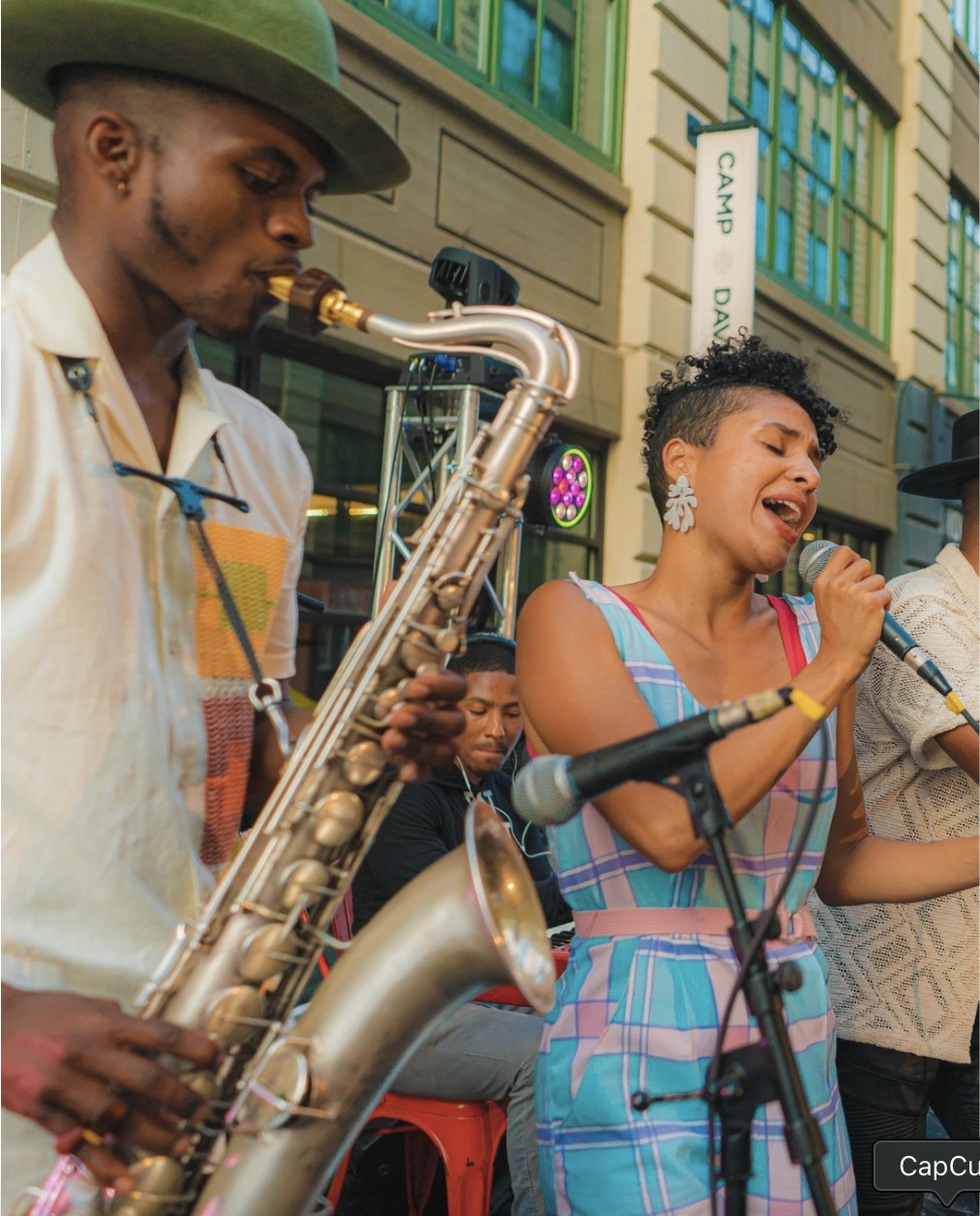
The Latin Food Fest returns to Brooklyn’s Industry City this weekend, Sept. 13-14, from noon to 7 p.m.
The two-day event will feature more than 70 Hispanic-owned small businesses along with 14 major performances, art installations and other activities.
Visitors will find five stages where they can eat, dance and enjoy activities such as a Bad Bunny look-alike contest, an empanada contest, and more. “The idea of Latin Food Fest is a celebration of food: “’la comida y cultura,’” said Marco Shalma, owner and founder of Latin Food Fest.
The festival provides a major platform for small business vendors. Melissa Pacheco, owner of Boriken Bites NYC, a Harlem-based Puerto Rican desserts business, started her business a year ago, and this opportunity is her biggest yet.
“We are bringing out full ways to really represent our culture, represent Puerto Rico, represent New York, represent what that meant to me and my family,” Pacheco said.
The event will provide food from across Latin America, from Mexican beef tacos to Peruvian ceviche, prepared by Patricia Quinteros, owner of Henko Seafood. This will allow her to show the hard work behind her business and connect with the community through food.
“Sharing Hispanic culture is so important because food carries memory, history, and love. When I cook, I’m not only preparing a dish, I’m sharing a piece of my roots and the traditions that shaped me,” Quinteros said.
Shalma’s vision for this event is to show that Latin America is not defined by a single culture, but by a diverse region united by a passion for food, family, and community.
The festival celebrates cultural diversity while also supporting entrepreneurs. Marco Shalma, founder of Latin Food Fest, and his team created The Street Eat Foundation, a nonprofit organization that supports up-and-coming immigrant-owned businesses.
This year, Shalma expanded his vision by launching the “We Feed America” campaign to profit from, invest in, and donate to legal aid organizations that support the immigrant community.
“We are the ones working in the field, working in transportation, working in distribution. We work in the manufacturing and cooking of the food, and that’s what we do. Those are the people who actually feed America and continue to feed and grow to feed America,” Shalma said.
Tickets can be purchased at the event or in advance through thelatinfoodfest.com.
Construction began Tuesday on the Brownsville Arts and Culture Apartments, a mixed-use development with affordable housing and a multipurpose arts space.
The 366 Rockaway Ave. project will include 283 new units with rents set as “affordable” for New Yorkers earning between 30-70% of the Area Median Income, or between $43,740-$102,060 per year for a family of three. Units will range from studios to three-bedrooms, with a number of units earmarked for formerly-homeless New Yorkers.
Per city guidelines, rents will begin at $800 per month for a studio and $1,263 for a three-bedroom at 30% AMI.

BACA’s cultural arts center will span more than 28,0000 square feet, and will include a large multi-purpose room for community arts groups to use for rehearsal and performances.
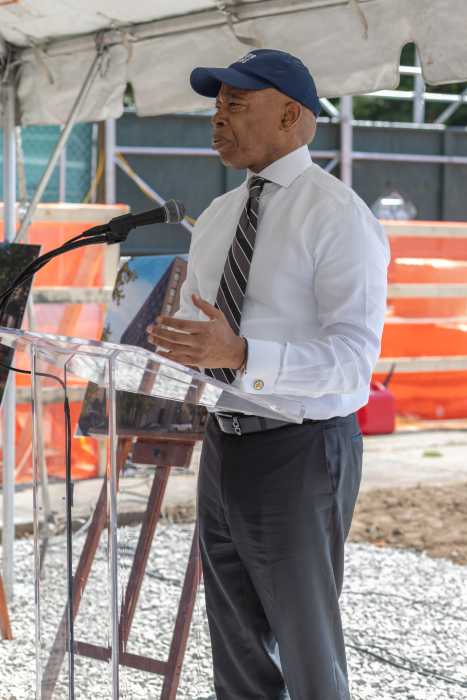
“Making New York City the best place to raise a family means creating affordable homes and delivering high-quality community spaces; that is what this project is all about,” said Mayor Eric Adams, in a statement. “We’ll bring hundreds of new affordable homes to Brownsville and give New Yorkers a vibrant place to dance and perform.”
The project is a part of the city’s Brownsville Plan, a “community-driven process” to identify and address local needs related to housing, safety, arts, and more. BACA itself is the result of a public-private partnership between New York City and developers Gilbane, Blue Sea, and ArtSpace.
It will be constructed on city-owned land, and is funded in part by various city agencies — the Department of Housing Preservation and Development and the city’s Housing Development Corporation provided a combined $88.1 million in housing subsidies, and the Department of Cultural Affairs chipped in another $8.2 million for the arts center. Additional funding came from New York State Energy Research and Development Authority and the Empire State Development corporation.
“BACA and its housing, its cultural space, and its intentional commitment to this neighborhood is the perfect embodiment of the Brownsville Plan — a bold, community-driven vision that committed to creating more than 2,500 new affordable homes alongside substantial city fundings for investments in culture, health, youth, and public spaces,” said acting HPD Commissioner Ahmed Tigani, in a statement.
Tigani said BACA will serve as a “vibrant cultural spark” that shows “what’s possible when we pair deeply affordable housing with spaces that honor creativity and expression.”
Almost 60% of households in Brownsville and Ocean Hill earn less than 50% AMI, according to city data, or $72,900 per year for a family of three. More than 43% earn less than 30% AMI, and are considered “extremely low-income.” But just 33.9% of units available in the area are considered “affordable” for those earning 30% AMI or less, and nearly 90% of households are considered rent-burdened or severely rent-burdened, meaning they are paying more than 30% or more than 50% of their income on rent.
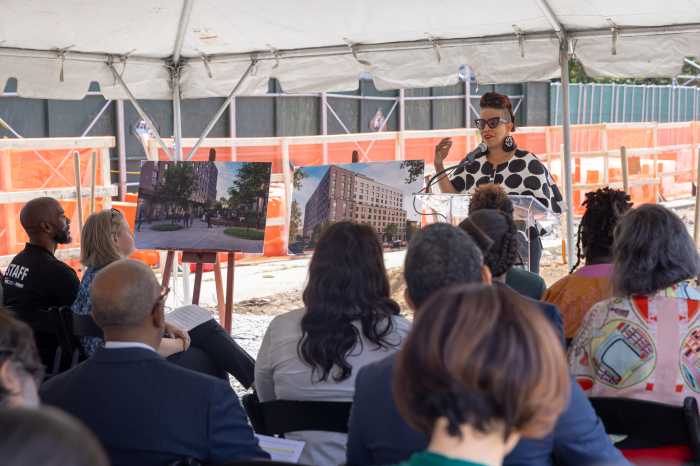
“With the City’s investment, we’re not just building affordable housing and cultural space — we’re honoring the creative spirit of this neighborhood and making space for it to thrive,” said DCLA commissioner Laurie Cumbo, in a statement. “This project says loud and clear that Brownsville’s stories matter, that its artists belong, and that culture should be part of the foundation in every community.”
The Brownsville Arts and Culture Apartments are expected to be completed in 2027, according to the mayor’s office.

Обвиняемый в убийстве Декарлос Браун-младший рассказал своей семье, что зарезал украинскую беженку Ирину Заруцкую в поезде в Шарлотте, штат Северная Каролина, потому что поверил, что […]