Former Kremlin deputy chief of staff reportedly wrote Putin letter condemning war in Ukraine before his resignation in September — Meduza meduza.io/en/feature/2025/11…
Former Kremlin deputy chief of staff reportedly wrote Putin letter condemning war in Ukraine before his resignation in September
7:47 am, November 28, 2025Source: Agentstvo MediaGrigory Sysoev / Sputnik / Profimedia
Former Kremlin Deputy Chief of Staff Dmitry Kozak wrote a letter to Russian President Vladimir Putin condemning Moscow’s war against Ukraine shortly before his resignation in September, Agentstvo Media reports.Kozak, who previously served as Russia’s deputy prime minister, became Putin’s deputy chief of staff in January 2020. According to a Meduza source close to the Kremlin, when the members of Russia’s Security Council realized in February 2022 that Putin was preparing to launch a full-scale war in Ukraine, Kozak opposed the plan. In the months that followed, Kozak was reported to have “fallen out of favor” with the Russian president.
According to Agentstvo, when Kozak submitted his official resignation on September 18, 2025, he also handed Putin a personal letter criticizing the war. “In the letter, the former deputy chief condemned Russia’s attack on Ukraine, using very strong language,” the outlet reported, citing a source who knows Kozak personally.
Another longtime acquaintance of Kozak said the former official does not believe the letter angered Putin and that he “even expects to meet with him in the near future.”
Kozak has spent considerable time abroad since stepping down, but a source close to him told Agentstvo that this is not due to concerns for his safety. He has been traveling for medical treatment and continues to return to Russia, the source said.
— Michael Novakhov (@mikenov) Nov 28, 2025
Day: November 28, 2025
Kremlin Insider Dmitry Kozak Criticized War in Letter to Putin Before Resigning – Agentstvo – The Moscow Times themoscowtimes.com/2025/11/2…
— Michael Novakhov (@mikenov) Nov 28, 2025
Kremlin Insider Dmitry Kozak Criticized War in Letter to Putin Before Resigning – Agentstvo – The Moscow Times themoscowtimes.com/2025/11/2…
— Michael Novakhov (@mikenov) Nov 28, 2025
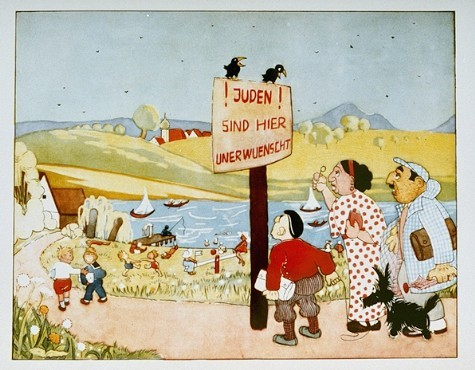
Jews are not welcome here
The effects of anti-semitism on Jews in the late USSR: self-hatred and various character pathologies
State-sponsored and pervasive social anti-semitism in the late USSR led to significant psychological distress among Jews, including feelings of alienation, a damaged sense of self, and internalized anti-semitism (self-hatred), which manifested in various character pathologies and identity conflicts. [1, 2, 3]
Internalized Anti-Semitism and Self-Hatred
The primary psychological impact was the internalization of the negative messages prevalent in Soviet society. This phenomenon led to:
- Negative Self-Image: Jewish individuals absorbed societal prejudices, resulting in a negative self-image and identity rejection.
- Feelings of Inferiority and Shame: Ongoing persecution and a subordinate social position produced feelings of anger, embarrassment, guilt, and low self-esteem.
- Self-Negation: Some individuals exhibited “peculiar self-consciousness” and a tendency toward “self-negation,” attempting to deny their Jewish identity in order to be seen as “normal” Soviet citizens.
- Identity Conflict: The clash between one’s heritage and the dominant, hostile culture created significant identity conflict. [1, 2, 4, 5, 6]
Character Pathologies and Behavioral Responses
The chronic exposure to discrimination and the resulting psychological stress led to various behavioral and emotional responses:
- Alienation and Evasion: A profound sense of alienation from the Soviet system replaced any former loyalty. Many Jews sought to hide their Jewish identity, for example, by wishing for a “normal” surname that did not immediately mark them as Jewish.
- Anxiety and Fear: Jewish citizens lived with a constant fear of persecution, which was well-founded given the history of state-sponsored violence and discrimination. This fear was exacerbated by the lack of reliable official protection.
- Psychosomatic Symptoms: Studies of Jewish residents with a background of migration from post-Soviet areas have shown an increased rate of depression, anxiety, fatigue, and psychosomatic problems, such as chronic pain and psychocardial symptoms, directly linked to their experiences of anti-semitism and the transgenerational passing of trauma.
- Assimilation or Emigration: The desire to escape discrimination and psychological harm often led to thoughts of either full assimilation into the dominant Russian culture or, when possible, emigration. The large wave of Jewish emigration that began in the 1970s was a direct result of this deep alienation and rejection. [7, 8, 9, 10]
The effects demonstrate how deeply embedded state-sponsored anti-semitism damaged the mental health and self-perception of Soviet Jews, creating a “damaged identity” in response to pervasive societal and state-level prejudice. [1, 11]
AI responses may include mistakes.
–
Брайтонские Частушки:
СССР специализировался на массовом производстве МОРАЛЬНЫХ УРОДОВ,
под радостный визг КГБэшной Жидовни.
Fuck the Facebook!

Брайтонские Частушки

Рыло поросёнка:
Чушка ты кондовая,
Стукачка участковая!
Мерзопакостная тварь!
А её сынок Димуня,
КГБешная пиздюня
Перевёлся в FBI:
Там купи, а здесь – продай!
Пусть Алик-Тупарик
Кувыркается в гробу:
“КГБешный Пёс” клеймо
На его жидовском лбу.
Оппа, Оппа,
Америка Европа!
Вот такие вот дела:
Всё Контора замела!
Стелла Пердюкова
(А не Новахова)
Срать уселась снова.
Московская тупая блядь
Ей бы только срать и срать!
Жирная, вонючая,
Мерзавка злоебучая!
Воровка и злодейка,
Как и вся её семейка!
А Алёша Новахов
Важней всех ваших индюков
Всё кричит, что он – дантист,
А на деле – аферист.
Уроду дали по башке,
И мозги его – в горшке.
Теперь рубли он отмывает,
Капитал свой собирает.
Важней всех ваших индюков
Всё кричит, что он – дантист,
А на деле – аферист.
Уроду дали по башке,
И мозги его – в горшке.
Теперь рубли он отмывает,
Капитал свой собирает.
И всё пьёт Тестостерон,
Чтоб всех сильней казался он!
А Мери Говнюкова
(Но не Новахова) –
Сумасшедшая корова!
КГБешная зараза,
Вылезла из унитаза!
Хаясыска и говно,
Сдохнуть ей пора давно!
Сдохни, сучка; сдохни блядь,
В рот и в хвост тебя ебать!
У Ашира “Цукер” было погоняло:
Сладко от него всегда воняло.
Трусливый, подлый и тупой,
Остался на всю жизнь такой!
Сладко от него всегда воняло.
Трусливый, подлый и тупой,
Остался на всю жизнь такой!
Оппа, Оппа,
Америка Европа!
Вот такие вот дела:
Всё Контора замела!
Проклятие вам всем и смерть,
Чтоб на свете не смердеть!
И то же самое – всем вашим выродкам,
И выродкам всех ваших выродков!
Аминь.
–
–
Московские Частушки
А Лена Яровая
Жидовка но тупая.
Не баба а кисель,
К-Г-Б и ка-ни-тель.
#Гусинский – пидор и говно,
Это знают все давно.
Но к тому же он и SPY:
Его ищет FBI!
ЗВОНИТЕ FBI-TIPS:
БОЛЬШОЕ ВОЗНАГРАЖДЕНИЕ!
Дейтройтские Частушки
Была такая тётя,
Тётя Мотя Обормотя,
И звали её не Хава а ЗАВИСТЬ.
От кончиков волос до кончиков ногтей
ЗАВИСТЬ лишь горела в ней.
Ида, пойди в sex shop
И купи себе DILDO
И на нём и женись.
Будет прекрасная пара
Для тебя и твоей разноцветной жопы.
Шепелявая Ирина
Будет вам стелить перины,
Она у нас не любит “stucco”
Но любит лезть в чужую драку.
Знай своё место, дура!
Петербургские Частушки
Новакова Марианна
Сама призналась, без обмана (!):
“Да, БЭШКА Я”, она сказала,
И что бы это означало?
Здесь даже нечего гадать:
КГ-БЭШ-ница и блядь!
Вот вам и частушки,
Намотать на ушки:
Пляшет Брайтонский народ
Свой жидовский хоровод!
–
Брайтонские Частушки:
СССР специализировался на массовом производстве МОРАЛЬНЫХ УРОДОВ,
под радостный визг КГБэшной Жидовни.
Оппа, Оппа,
Америка Европа!
Вот такие вот дела:
Всё Контора замела!
–

–
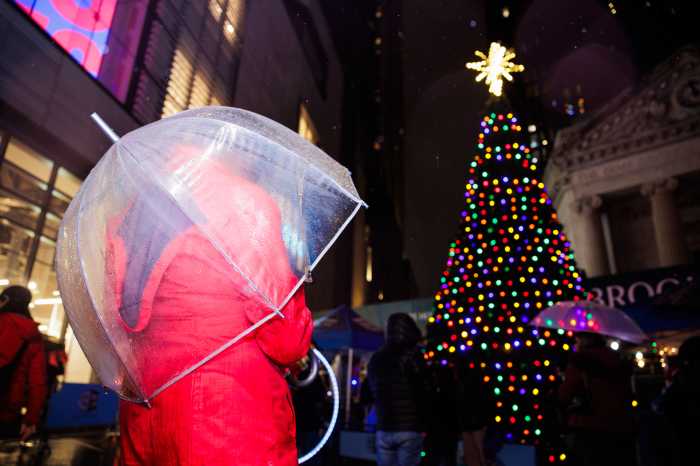
Despite drizzly weather, enthusiastic locals gathered in Albee Square on Tuesday night to usher in the holiday season at Downtown Brooklyn Partnership’s (DBP) annual DTBK Gets Lit! Celebration.
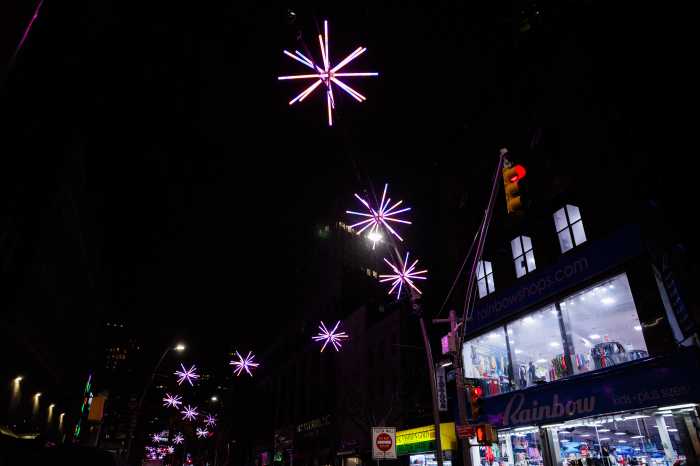
The Nov. 25 event featured the traditional Christmas tree lighting, a festive program of performances, and the debut of a new dynamic light installation transforming Downtown Brooklyn into a winter wonderland.
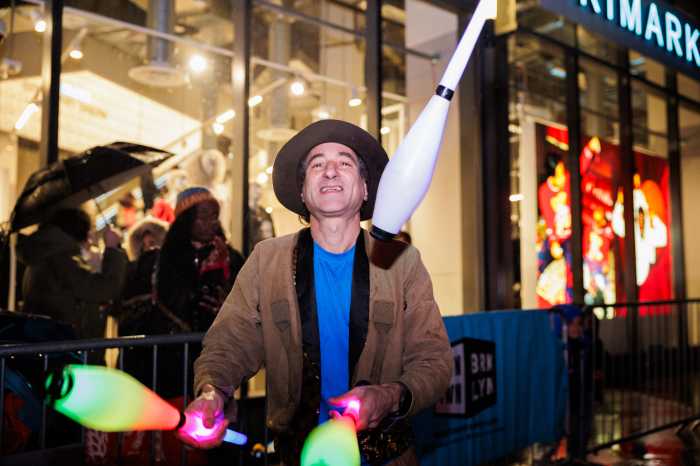
Before the lights came on, spectators watched a lively display of light performers who danced, juggled, rollerskated, and twirled hula hoops, painting the square with bursts of color. DJ Mike Doelo set the stage for carols by Janis Weatherly and members of the Lafayette Avenue Presbyterian Inspirational Choir.
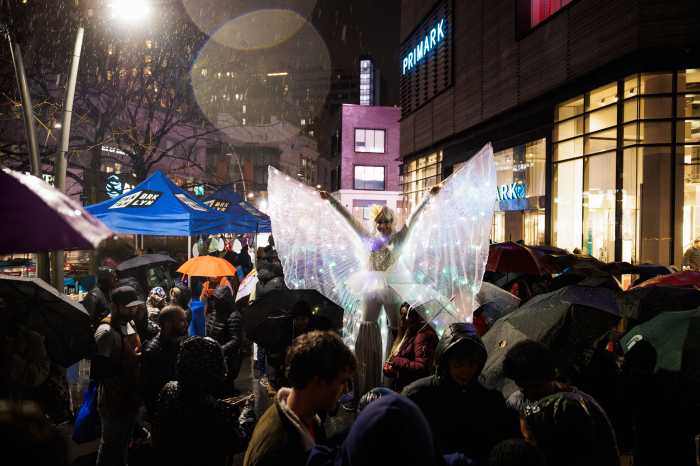
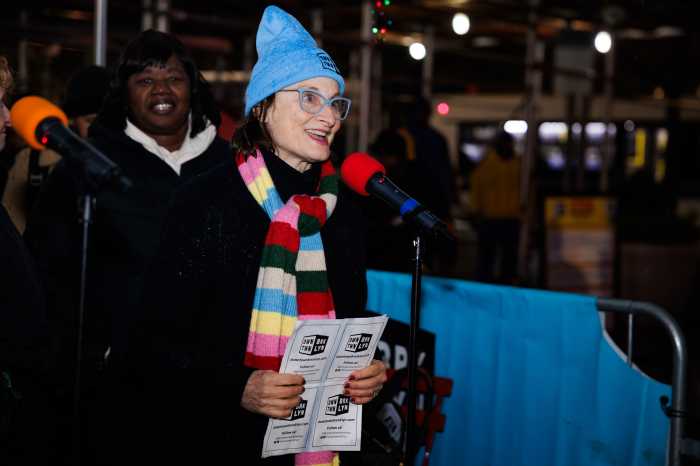
Regina Myer, president of the Downtown Brooklyn Partnership, addressed the crowd before the countdown.
“I am so excited that everybody is here in the, let’s face it, in the rain, to celebrate the big kick-off of the holiday season right here in Albee Square,” she said. “Downtown Brooklyn Partnership is dedicated to making Downtown Brooklyn a great place, and Albee Square is where it all happens, so big shout out to you all. Wishing you a wonderful Thanksgiving and have a wonderful holiday season.”
The event marked the unveiling of DBP’s new dynamic light installation, created by Limbic Media and City1, which spans Fulton Mall, Abolitionist Place and Court Street. The programmable network transforms public spaces into “living lightscapes” that pulse, shift hues, and cascade across corridors, providing a visually stunning experience for holiday shoppers and passersby.
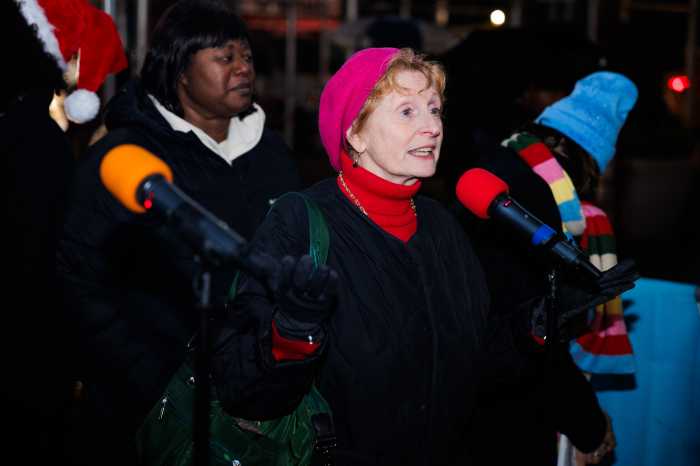
Assembly Member Jo Anne Simon thanked locals for braving the weather for the festivities, which signal the start of the holiday season in Downtown Brooklyn.
“Thank you to the public for showing up in the rain and for being here to help us kick off the holiday season,” she said. “I wish everybody a very, very happy holiday season and wonderful Thanksgiving. And don’t forget to shop small on Saturday.”
The event also featured performances by Andrea Flow, Brianna Kalisch, Flow Juggle, and Roller Boogie, as well as an ugly sweater contest. Attendees kept warm with free hot chocolate.

The effects of #antisemitism on #Jews in the late #USSR: self-hatred and various character pathologies – GS google.com/search?q=The+effe…
State-sponsored and pervasive societal anti-semitism in the late USSR had profound psychological effects on Jewish individuals, leading to internalized anti-semitism (self-hatred), alienation, and various psychological distresses and identity conflicts. [1, 2]
Internalized Anti-Semitism and Self-Hatred The constant barrage of negative messages and official discrimination led many Soviet Jews to internalize the prevailing societal prejudice. This “owning of a negative self-image” manifested in several ways:• Identity Rejection: Many individuals sought to deny or hide their Jewish identity to escape stigma and persecution.
• Feelings of Inferiority and Shame: The low social status and ongoing persecution produced a sense of inferiority, embarrassment, and shame about their heritage.
• Desire for Assimilation: A strong desire to assimilate into the dominant non-Jewish society was common, seen as a way to become “a man without blemish” or a “pure individual” free of the “sin” of being a Jew.
• Self-Negation: In some cases, this manifested as “self-negation” and the adoption of viewpoints critical of the Jewish community or supportive of the dominant culture’s anti-semitic narratives. [1, 3, 4, 5]Character Pathologies and Psychological Effects Beyond self-hatred, the anti-semitic environment fostered a range of psychological and behavioral responses:
• Chronic Fear and Anxiety: A deep, pervasive fear of persecution was common, stemming from a history of state-sponsored violence and the lack of reliable official protection.
• Alienation and Identity Conflict: The official labeling in passports and systemic discrimination prevented full assimilation and led to a profound sense of being marginal and despised, eroding loyalty to the Soviet state and creating internal identity conflicts.
• Psychosomatic Symptoms: Studies of Jewish migrants from the former Soviet Union have found higher rates of depression, anxiety, fatigue, and various psychosomatic problems, suggesting a long-lasting impact of the experienced anti-semitism.
• Secrecy and Euphemisms: Due to fear of government surveillance and punishment, Jews often felt unable to express their culture or discuss their experiences openly.
• Emigration as a Solution: For many, the only perceived escape from this psychological burden and systemic discrimination was emigration, which occurred in large numbers when the opportunity arose in the late 1970s and during Perestroika. [2, 6, 7, 8]AI responses may include mistakes.
[1] sciencedirect.com/topics/soc…
[2] dh.scu.edu/exhibits/exhibits…
[3] link.springer.com/article/10…
[4] cambridge.org/core/books/ant…
[5] history.washington.edu/sites…
[6] hrlibrary.umn.edu/ins/russia…
[7] pmc.ncbi.nlm.nih.gov/article…
[8] cambridge.org/core/books/jew…— Michael Novakhov (@mikenov) Nov 28, 2025
Брайтонские Частушки: Вот такие вот дела: Всё Контора замела! thenewsandtimes.blogspot.com…
— Michael Novakhov (@mikenov) Nov 28, 2025
