Gov. Kathy Hochul pushed back Wednesday against Republican rival Bruce Blakeman’s charge that energy rebate checks arriving weeks before Election Day amount to an election-year gimmick, saying she would not make New Yorkers wait until after the campaign for help with rising energy costs.
“Iwon’tmakeNewYorkerswaitforrelief.Hemaywanttodothat.Iwillnot,” Hochul told reporters during a stop at the Flatbush YMCA.
Hochul was in Brooklyn urging residents to sign up for the state’s Energy Affordability Program, which provides monthly utility discounts to eligible households.
Nearly 1 million households are already enrolled, while the state estimates another 2.5 million are eligible but have not signed up. Hochul’s administration says participants can save hundreds of dollars a year, with some households eligible for up to $500 in annual savings.
“Bills are going up for everybody, and middle-class families who don’t have other benefits available to them are being hardest hit,” Hochul said.
The program’s eligibility was expanded in January to include households below the state median income, or below area median income in New York City, Westchester and Nassau counties. For Con Edison and National Grid NYC customers, that includes one-person households earning up to $113,400 and four-person households earning up to $162,000.
The state is now launching a broader enrollment push using digital advertising, mail, email and text messages, along with outreach through community organizations, government agencies and utilities.
Gov. Kathy Hochul holds an informational flyer for New York’s Energy Affordability Program during a visit to the Flatbush YMCA in Brooklyn on Wednesday. Photo by Lloyd Mitchell
The monthly discounts are separate from another Hochul affordability initiative that has become an issue in the governor’s race — $1 billion in one-time energy rebate checks that the state says will begin going out to 8.2 million eligible households Sept. 21.
Blakeman, the Nassau County executive and Republican nominee for governor, called those payments an “election-year gimmick” Tuesday and argued that one-time checks would do little to offset rising utility costs. His campaign also blamed Hochul for increases in electric bills, claims the campaign used to promote Blakeman’s pledge to cut utility costs.
New York electricity prices have risen sharply in recent years, though an analysis by the New York Independent System Operator points to a mix of factors, including natural gas prices, tightening power supplies, aging infrastructure and grid investments.
Asked about the criticism Wednesday, Hochul said the $1 billion in rebates was negotiated with lawmakers in the spring and signed into law in May, and that state officials then needed time to determine who qualified.
“That’s just the process,” Hochul said. “People are saying, ‘Why don’t we wait till next year?’ I say, ‘Assoonaswe’reableto,we’re doing it.’”
She made a similar argument Tuesday night on NY1’s “Inside City Hall,” when host Errol Louis noted that the checks were set to arrive less than 50 days before the election. Hochul said the election should not stop her administration from providing relief that had already been approved in the state budget.
Hochul speaks with local residents at the Flatbush YMCA in Brooklyn on Wednesday. Photo by Lloyd Mitchell
A WFP representative told amNewYork that the endorsement followed a vote of the party’s state committee but declined to disclose the tally. Announcing the endorsement Wednesday, WFP state director Jasmine Gripper said the party was urging New Yorkers to support Hochul and lieutenant governor nominee Adrienne Adams on the Working Families ballot line.
In February, ahead of the Democratic primary, the committee chose a placeholder rather than endorse Hochul or then-Lt. Gov. Antonio Delgado. City & State reported at the time, citing a person present for the vote, that Hochul received 3% of the weighted vote. WFP leaders disputed the reported totals but declined to provide their own. Delgado dropped out of the race days later.
WFP leaders later said on the Max Politics podcast that the period before an endorsement gave the party leverage to press its priorities, pointing to child care and immigration among areas where it had pushed Hochul.
Hochul welcomed Wednesday’s endorsement, saying she looked forward to continuing to work with the party as part of what she called a “big-tent coalition.”
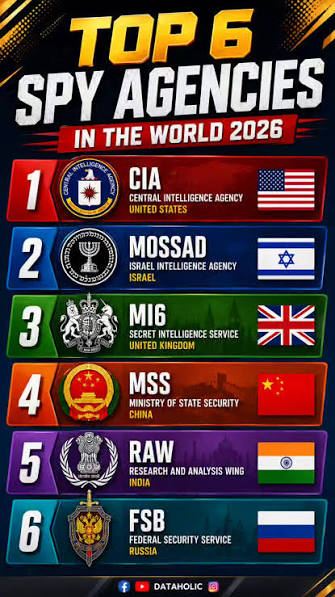
AI Mode Conversation: FSB OPERATIONS OUTSIDE RUSSIAFSB OPERATIONS OUTSIDE RUSSIAAI Mode reply for FSB OPERATIONS OUTSIDE RUSSIAWhile Russia’s Federal Security Service (FSB) is primarily a domestic security and counterintelligence agency, it has significantly expanded its footprint to conduct extensi
. Over the span of 25 years, the Kremlin has evolved from a partner in the global war on terror into an active perpetrator of state terrorism and an ally to transnational terror networks.🏛️ The Post-9/11 Illusion: Tactful CooperationImmediately following the September 11, 2001 attacks, Russian Presi
Виктория Курченко сообщила об участии вместе с Юлией Жинжеровой и Дмитрием Глинским в работе девятого Ukraine Action Summit, который проходит в Вашингтоне 12–16 сентября 2026 года и включает встречи с представителями Конгресса США.
В Вашингтоне проходит9th Ukraine Action Summit — пятидневная конференция и advocacy-программа, объединяющая активистов, общественные организации, бизнес и сторонников Украины из разных штатов США. Саммит проходит 12–16 сентября 2026 года. Его организатор — American Coalition for Ukraine (ACU), объединение американских некоммерческих организаций, созданное для координации общественной деятельности в поддержку Украины. ACU зарегистрирована в США как организация 501(c)(3), EIN 99-1406477. В мероприятиях также принимают участие представители русскоязычного сообщества США.
Нью-йоркская общественная активистка Victoriya Kurchenko опубликовала фотографию из здания Сената США вместе с Юлией Жинжеровой и Дмитрием Глинским.
Кто представляет русскоязычную организацию
American Russian-speaking Association for Civil & Human Rights связана с нью-йоркской Russian-speaking Community Council (RCC).
В официальных документах RCC Dmitri Daniel Glinski указан как President & CEO. В налоговой отчетности организации за 2024 год Yuliya Zhinzherova указана как Vice President and Treasurer.
RCC описывает свою деятельность как работу с политическими эмигрантами из бывшего СССР, беженцами из Украины и других стран, а также advocacy и правозащитную деятельность.
Кто финансирует Ukraine Action Summit
Организаторы прямо называют мероприятие спонсируемым. На официальной странице Fall 2026 Summit имеется раздел “Thank you to our sponsors for the Fall 2026 Ukraine Action Summit”, хотя названия всех спонсоров на странице представлены графическими элементами и не полностью извлекаются в текстовой версии сайта.
По открытым источникам удалось независимо подтвердить как минимум двух крупных спонсоров девятого саммита.
Meest USA объявила себя Paramount Sponsor 9th Ukraine Action Summit. Компания занимается международной логистикой и много лет работает с украинским и восточноевропейским рынком.
United Help Ukraine подтверждает, что является Platinum Sponsor нынешнего саммита. Это американская 501(c)(3), занимающаяся гуманитарной, медицинской помощью Украине, поддержкой пострадавших от войны и advocacy.
Среди организаций, представленных на официальной Expo саммита в сентябре 2026 года, также находятся Razom for Ukraine, Nova Ukraine, forPEACE, MEEST, Spirit of America, Harvard Ukrainian Research Institute, American Ukrainian Medical Foundation, Bring Kids Back UA, Helicon Defense и другие. Сам факт участия в Expo, однако, не означает автоматически финансового спонсорства.
На предыдущих Ukraine Action Summit среди спонсоров и соорганизаторов регулярно фигурировали Razom for Ukraine, Nova Ukraine, United Help Ukraine, Ukrainian National Women’s League of America, forPEACE, Aristotle, MEEST USA и CiviClick. Например, организаторы Spring 2025 отдельно благодарили Razom, Nova Ukraine, United Help Ukraine и другие организации за финансовую и организационную поддержку.
Таким образом, финансирование и организационная инфраструктура саммита связаны прежде всего с американскими украинскими nonprofit-организациями, частными компаниями и организациями, работающими в сфере украинской advocacy.
Связан ли саммит с Демократической или Республиканской партией
Формально — ни с одной.
American Coalition for Ukraine официально называет себя nonpartisan coalition, то есть непартийной коалицией, состоящей из американских nonprofit-организаций.
Это важно и с юридической точки зрения: ACU зарегистрирована как 501(c)(3). Такие организации могут заниматься issue advocacy и обсуждением законодательства, но им запрещено участвовать в политических кампаниях в поддержку или против кандидатов.
При этом фактическая стратегия Ukraine Action Summit состоит именно во взаимодействии с обеими партиями.
Делегации встречаются с офисами сенаторов и членов Палаты представителей независимо от их партийной принадлежности. В материалах предыдущих саммитов организаторы прямо называют целью сохранение bipartisan support for Ukraine.
Есть конкретные примеры контактов с демократами. Участники предыдущего саммита, например, встречались с сенатором-демократом Chuck Schumer. В тех же материалах организаторы рассказывали о попытках получить совместную поддержку инициатив от представителей обеих партий.
Одновременно некоторые организации из этой сети специально работали над аргументацией для республиканских законодателей и республиканского электората.
Например, PR-фирма PLUS Communications описывает кампанию Razom for Ukraine под рабочим названием “Operation Reagan”, целью которой было убедить республиканских членов Конгресса и избирателей GOP поддерживать дальнейшую помощь Украине, используя аргументацию в традиции доктрины Рональда Рейгана “Peace Through Strength”.
Это не означает, что Razom является республиканской организацией. Наоборот, сама Razom характеризует свою advocacy как bipartisan.
Поэтому корректнее говорить, что политическая стратегия этих организаций состоит не в поддержке одной американской партии, а в попытке сохранить проукраинское законодательство одновременно среди демократов и республиканцев.
Чего конкретно добиваются организаторы
Ukraine Action Summit — это не просто конференция украинской диаспоры.
Главная часть мероприятия — организованное воздействие на процесс формирования политики Конгресса через встречи избирателей со своими представителями.
Официальный FAQ ACU прямо говорит, что наиболее важная часть Summit — congressional advocacy: встречи жителей соответствующих округов с членами Конгресса и их сотрудниками.
Для Fall 2026 среди направлений advocacy указаны:
усиление санкций против России;
противодействие российским схемам обхода санкций и “shadow fleet”;
возвращение украинских детей;
развитие американо-украинского сотрудничества в военной промышленности;
сотрудничество в области беспилотных систем;
стимулирование европейских инвестиций в украинский оборонный сектор.
В Delegate Hub прямо перечислены конкретные законопроекты, включая Strategic Unmanned Systems Partnership Act — S.4711 / H.R.9550 и Fast Tracking European Investment in Ukraine’s Defense Act — S.5175.
ACU также ведет отдельные кампании за санкционное законодательство против России.
То есть перед нами полноценная policy-advocacy инфраструктура, задача которой — добиться конкретных действий от Конгресса США.
Насколько серьезно их влияние
Нельзя установить, что конкретный закон был принят именно благодаря Ukraine Action Summit: законодательные решения формируются под воздействием администрации, партийного руководства, комитетов, лоббистов, общественных организаций, избирателей и других факторов.
Однако масштаб доступа к Конгрессу у этой сети значительный.
На Spring 2025 Summit участвовало более 600 делегатов из всех 50 штатов и Пуэрто-Рико, а организаторы сообщали о 444 встречах с офисами законодателей.
На восьмом саммите в апреле 2026 года ACU сообщила уже о более чем 700 участниках из всех 50 штатов и Пуэрто-Рико.
По данным самой Coalition за Spring 2025, примерно 421 из 535 офисов Палаты представителей и Сената либо провели встречу с делегатами, либо имели зарегистрированного участника из своего округа. Это данные самой организации и их следует рассматривать именно как ее отчет о собственном охвате.
Поэтому это уже не просто локальная общественная группа, а организованная национальная advocacy-сеть с регулярным доступом к сотням congressional offices.
Есть ли профессиональные лоббисты
Здесь есть важное различие.
Сам Ukraine Action Summit в основном построен как grassroots advocacy: американские жители обращаются к собственным представителям в Конгрессе.
Однако как минимум одна из крупнейших организаций, входящих в эту экосистему, теперь использует и профессиональных зарегистрированных федеральных лоббистов.
В 2026 году Razom for Ukraine наняла Forward Global US Inc. для федеральной lobbying-деятельности по вопросам U.S.–Ukraine relations. В публичных Lobbying Disclosure Act данных Forward Global за второй квартал 2026 года Razom for Ukraine фигурирует как клиент, а доход фирмы по этому контракту указан в размере $30,000 за квартал.
Это законная и раскрываемая в соответствии с американским законодательством lobbying-деятельность.
При этом наличие профессионального лоббиста у Razom не означает, что весь Ukraine Action Summit является проектом этой lobbying-фирмы: сам Summit организует American Coalition for Ukraine.
Есть ли связь с правительством Украины
Некоторая институциональная связь существует, но необходимо точно называть ее характер.
В материалах United Help Ukraine о нынешнем саммите говорится о поддержке мероприятия Embassy of Ukraine in the United States, а также об участии представителей украинской дипломатической миссии.
Одновременно ACU представляет себя как объединение U.S.-based nonprofit organizations, а не как подразделение правительства Украины.
По открытым данным, которые были проверены для этой статьи, нет основания утверждать, что American Coalition for Ukraine контролируется украинским правительством.
Почему это важно для читателя
Таким образом, Ukraine Action Summit следует рассматривать не просто как общественное мероприятие украинской или диаспоры.
Это организованная американская advocacy-кампания, финансируемая и поддерживаемая сетью nonprofits и частных компаний, которая:
обучает активистов работе с законодательной властью;
организует сотни встреч с congressional offices;
продвигает конкретные законопроекты;
пытается поддерживать поддержку Украины одновременно среди демократов и республиканцев;
взаимодействует с украинскими дипломатическими структурами;
а отдельные организации этой сети используют зарегистрированных профессиональных лоббистов.
При этом в проверенных нами открытых источниках на данный момент не обнаружены подтвержденные основания связывать организаторов нынешнего Ukraine Action Summit с российскими или украинскими коррупционерами.
О чем речь: NYC.gov / Office of the Mayor опубликовал официальный материал: Read press release.
Редакция BRBN обнаружила это официальное сообщение в ленте NYC Mayor’s Office. Полный русский пересказ не был создан автоматически, чтобы не опубликовать машинный английский текст на русскоязычном сайте.
Что важно знать: это официальная информация городской администрации Нью-Йорка. Для точных формулировок, дат и полного контекста откройте первоисточник на NYC.gov.
На Брайтон-Бич обсуждается общественная инициатива присвоить пока безымянному общественному пространству название State of Israel Square — «Площадь Государства Израиль». Автор инициативы — Игорь Казацкер (Igor Kazatsker). 15 сентября он запустил петицию на Change.org, а информацию о проекте начал распространять через Facebook и местные группы WhatsApp. Речь идет о территории между Brighton 14th Street и Brighton 15th Street, в направлении Brightwater Avenue и набережной Brighton Beach. Именно этот участок отмечен на опубликованных автором карте и аэрофотографии.
Это не предложение переименовать существующую улицу
В тексте петиции особо подчеркивается, что инициатива не предусматривает переименования существующей улицы, парка, площади или района и не является co-naming существующего объекта.
Авторы предлагают дать название общественному пространству, которое, по их утверждению, в настоящее время официального названия не имеет.
В петиции говорится:
“We are not asking to take away someone else’s name. We are asking to give a name to a public space that is currently unnamed.”
Инициаторы связывают предложение с историей еврейской общины Brighton Beach и многолетними связями жителей района с Израилем. Они также считают, что такое место могло бы использоваться для общественных мероприятий, памятных церемоний и культурных программ.
Предложение направлено городским властям
Казацкер также сообщил, что подготовил formal proposal и направил его городским чиновникам, агентствам и представителям местного сообщества.
В опубликованной петиции содержится обращение к соответствующим органам Нью-Йорка, выборным представителям и Brooklyn Community Board 13 с просьбой рассмотреть предложение об официальном названии этого пространства State of Israel Square.
В разделе Decision Makers Change.org перечисляет New York City Council, спикера Совета Julie Menin и члена Совета от 48-го округа Inna Vernikov.
При этом на данный момент речь идет именно об общественной инициативе и петиции, а не об уже принятом решении властей Нью-Йорка.
Инициатива распространяется в социальных сетях
16 сентября информация о предложении распространялась в местной WhatsApp-группе The Advocate, где Казацкер обратился к участникам с просьбой поддержать петицию: “Can you add your signature?”
Информация об инициативе появилась и на Reddit. Там Казацкер также пишет, что предложение касается именно неназванного общественного пространства и что formal proposal уже направлен на рассмотрение.
Кто такой Игорь Казацкер
Игорь Казацкер известен в общественной жизни Южного Бруклина. В 2023 году он участвовал в выборах в New York City Council District 48, куда входят Brighton Beach, Manhattan Beach и Sheepshead Bay. News 12 сообщал, что он участвовал в выборах как один из трех кандидатов вместе с Inna Vernikov и Amber Adler.
Brighton Beach News ранее также упоминал Казацкера среди участников местных общественных мероприятий в Брайтон-Бич.
Что будет дальше
Для появления официального названия одной интернет-петиции недостаточно. Предложение должно пройти соответствующую городскую процедуру и получить рассмотрение со стороны органов и представителей Нью-Йорка.
Brighton Beach News будет следить за тем, получит ли инициатива поддержку Community Board 13, представителя района в City Council и других городских структур.
Brooklyn Community Board 13 — обслуживает Brighton Beach, Coney Island, Gravesend и Sea Gate. Именно Community Board может быть одним из первых уровней рассмотрения местной инициативы. Brooklyn Community Board 13 — официальный сайт NYC.gov
New York City Council — District 48 — Brighton Beach входит в 48-й округ City Council, который представляет Council Member Inna Vernikov. NYC Council District 48 — официальный сайт
New York City Council принимает такие названия через local laws о naming/co-naming streets and public places. Например, в июле 2026 года был принят Local Law 125, которым были названы или совместно названы 103 улицы и общественных места. В официальном описании закона прямо говорится, что такие предложения основываются на запросах членов City Council, представляющих соответствующие территории.
Официальное объяснение процедуры street co-naming: на странице одного из членов Council описана типовая последовательность — сбор подписей жителей, обращение в Community Board, рассмотрение комитетом и голосование Community Board, после чего вопрос может двигаться в City Council. Street Co-Naming Requests — NYC Council
New Yorkers desperate for a place to go are getting 17 new public bathrooms across the five boroughs, but the high-tech system meant to keep them clean and functioning is already raising concerns that homeless New Yorkers without reliable cellphone access could struggle to get inside.
Mayor Zohran Mamdani announced Wednesday that installation has begun on the free modular bathrooms, part of a $4 million, yearlong pilot aimed at addressing the city’s longstanding shortage of public restrooms.
As of June 2025, NYC had 975 operational public restrooms. That’s about one for every 8,700 residents, according to a January report from the Independent Budget Office. Roughly 85% were located in public parks.
The 17 new ADA-accessible units will operate daily from 7 a.m. to 10 p.m. and include running water, flushing toilets, heat and air conditioning, and baby-changing stations. But entry requires a text message, QR code, the Throne app — from the company operating the bathrooms — or a physical tap card distributed through local organizations.
One of the new Throne Labs modular public bathrooms, which users can unlock by phone or tap card,Photo by Lloyd MitchellPhoto by Lloyd Mitchell
That requirement drew questions at Wednesday’s launch over whether homeless New Yorkers and others without reliable access to a charged cellphone could face another barrier to using a public bathroom.
Mamdani said the city is partnering with neighborhood organizations to distribute tap cards. Throne Labs, which will operate and maintain the bathrooms, said signs at every unit will direct users to a place within a 10-minute walk where they can obtain one.
The Free to Pee Coalition, led by VOCAL-NY and the Coalition for the Homeless, welcomed the pilot Wednesday but raised the same concern.
“Many may not have a smartphone or be able to easily obtain a physical tap card to open these restrooms,” the coalition said in a statement.
The advocates also pointed to the limited number of locations and operating hours and called on the city to seek feedback from homeless-service providers, harm-reduction programs and groups working directly with unhoused New Yorkers.
When nature calls, keep it brief
The bathrooms are designed for quick visits, with a roughly 10-minute limit.
Audio warnings come at five and eight minutes. At the 10-minute mark, lights flash, and an announcement warns that the door will open. Throne co-founder and COO Jessica Heinselman said users then get roughly another 30 seconds.
“If you are still pants down, we’re not going to open the door on you,” she said. After that warning period, however, the door opens.
There is currently no way to extend a session for someone who needs more time, although Heinselman said the company is working on an option for people with mobility challenges or other ongoing needs.
Mamdani offered his own advice: “This is not a place to scroll on your phone.”
Unlike conventional bathrooms, the self-contained facilities do not need connections to water, sewer or power infrastructure and can be relocated as needs change.
Mamdani said Wednesday that the 17 units together cost roughly what one traditional public restroom has historically cost the city, pointing to the expense of connecting permanent facilities to underground infrastructure. By comparison, five modular restrooms opened under Mayor Eric Adams in 2025 ran about $1 million per site, largely because of utility hookups and other site work.
Four bathrooms are slated for each borough except Staten Island, which will get one. Locations include Yankee Stadium in the Bronx, Columbus Park in Brooklyn, Cooper Square in Manhattan and the North Shore Esplanade on Staten Island.
The electronic entry system is also part of Throne’s maintenance plan. City officials said tracking usage will allow the company to clean each unit roughly every 10 to 15 visits. Users can also submit cleanliness feedback electronically.
Heinselman said the units can detect smoking and warn users, while repeat misuse can result in someone’s access being restricted. Throne staff will also be offered Narcan training, and Heinselman said the automatic door-opening system has allowed workers elsewhere to respond to people experiencing medical emergencies inside.
Jessica Heinselman, co-founder and COO of Throne Labs, speaks Wednesday, Sept. 16, 2026, as New York City launches a one-year pilot program bringing 17 modular public bathrooms to locations across the five boroughs. Photo by Lloyd Mitchell
The pilot comes as advocates are awaiting a much broader city plan for expanding public bathrooms.
The Free to Pee Coalition said the Mamdani administration has not yet delivered the first strategic plan required under Local Law 58 of 2025, which the group said was due Sept. 1. According to the coalition, the administration now plans to release it Nov. 1.
“Modular bathrooms alone will not change the current imbalance in bathroom access,” the coalition said.
Council Member Sandy Nurse, who helped lead the push for the bathroom law, credited the coalition Wednesday for years of organizing around the issue and said the city will ultimately need multiple approaches to expand its restroom network.
Mamdani similarly stressed that the city has not decided future bathrooms will all follow the Throne model. He said officials will evaluate the yearlong pilot while considering other approaches, including automated public toilets.
Where will they be?
Bronx: Yankee Stadium, Admiral Farragut Playground, Mapes Park and Monsignor Raul Del Valle Square
Brooklyn: Columbus Park, Milestone Park, Fulton Street and Truxton Street and Avenue C Plaza
Queens: Astoria Boulevard South and 31st Street, Northern Boulevard and 31st Street, Northern Boulevard and 54th Street and 34th Avenue and 64th Street
Manhattan: Cooper Square, Malcolm X Plaza, Delancey Street and Suffolk Street and Plaza Alianza Dominicana
Members of the nation’s largest legislative staff union, the Association of Legislative Employees (ALE), rallied on the steps of City Hall alongside elected officials and labor unions on Sept. 15, calling on the New York City Council to reach a fair first contract with employees in its Legislative Division and other central staff titles.
ALE won union recognition in 2021, and in 2024, it negotiated its first collective bargaining agreement for Council member aides and financial analysts, including wage increases, compensatory time, salary floors and new workplace protections.
The union is currently negotiating a first contract for about 96 staffers in the Legislative Division, which supports the legislative and policy work of the New York City Council. The division handles research and draft legislation, staff committees and hearings, data analysis and support for the Council’s oversight of city government.
While the union has made significant movement from its opening position, key issues remain unresolved. ALE members and supporters called on Council management to build on the progress at the bargaining table and reach a fair agreement.
One central negotiation issue is pay equity between unionized employees and their supervisors overseeing the division. According to ALE, supervisors received raises of approximately 20% in 2024, and union members are calling for the Council to make a similar investment in its rank-and-file staff, allowing them to build sustainable careers in public service while being paid a living wage in one of the most expensive cities in the world.
ALE members rallied on the steps of City Hall, calling for a fair contract for Legislative Division staffers. Photo by Gabriele HoltermannALE members rallied on the steps of City Hall, calling for a fair contract for Legislative Division staffers. Photo by Gabriele Holtermann
Matt Malloy, president of ALE and chief of staff for Brooklyn Council Member Shahana Hanif, called on Council management to “seal the deal.”
“The Council has long been an important voice for working people, and now it has an opportunity to lead by example,” Malloy said. “We’ve moved significantly at the bargaining table because we believe there’s a reasonable deal to be reached. We have an opportunity to invest in Council staff, deliver greater equity, and show what a modern, pro-worker legislative workplace can look like.”
ALE members said competitive compensation is essential to retaining experienced staff whose work helps ensure that city laws address residents’ needs, city agencies meet their mandates, and the Council effectively engages the public to achieve those objectives.
ALE members rallied on the steps of City Hall, calling for a fair contract for Legislative Division staffers. Photo by Gabriele Holtermann
Natalie Meltzer, a legislative policy analyst, noted that while Council members come and go with the election cycle, Legislative Division staff are the “body’s institutional memory.”
“But it’s difficult to maintain that knowledge base without compensation that matches our skills and experience. Council management recognized the importance of our supervisors’ work in 2024 with a 20% raise. We are demanding that they give us the same recognition and are hopeful they’ll meet us with a reasonable proposal,” Meltzer said.
Johari Frazier, a legislative counsel at the City Council and bargaining committee member, emphasized that legislative staffers are dedicated to their jobs, pointing out that staffers are leaving because they feel undervalued or unable to support themselves and their families on their current salaries.
“We’re not trying to be a thorn in anyone’s side. We’re not trying to cause problems,” Frazier said. “We just want to be fairly valued for the work that we do. That’s why we’re here. That’s all we’re asking for.”
Bargaining committee member Johari Frazier asked for fair pay. Photo by Gabriele HoltermannALE members and alliesrallied on the steps of City Hall, calling for a fair contract for Legislative Division staffers. Photo by Gabriele Holtermann
Brook Frye, a senior data scientist at the City Council, noted that employees’ commitment to serving New Yorkers should be fairly compensated.
“Our supervisors make twice what we make. To be clear, everyone should be able to afford to live in this city. However, the question is why staff have been allowed to fall so far behind,” Frye said. “Everyone should be able to afford this city, and we are not able to afford this city.”
Several Brooklyn Council members, including Hanif, Sandy Nurse, Alexa Avilés and Kayla Santosuosso, joined the call for a fair contract.
Santosuosso, a former ALE member, called for a fair contract. Before she was elected to the City Council representing southern Brooklyn, Santosuosso worked as a Council staffer for former Council Member Justin Brannan and was an ALE member. She noted that the union improved her ability to do her job well and with dignity.
“The worst part of getting elected to the City Council was having to leave the rank and file of ALE,” she said. “As a legislative body, the Council’s core functions are powered by the labor of the Legislative Division. Those staffers deserve a fair contract, and the same benefits and protections I was able to receive.”
Council Member Alexa Avilés declared her support for ALE members as they bargain for a fair contract. Photo by Gabriele Holtermann
Avilés pointed out that the City Council has fought to raise standards for workers across New York City and said those values should extend to the staffers whose work the city depends on.
“Council staff bring extraordinary skill and commitment to public service every day. I’m proud to stand with ALE members as they bargain for a fair contract, and I’m confident there is a deal to be reached that invests in these workers and allows the Council to lead by example,” Avilés said. “It is only right that they get paid, that they get respected, that they get the things that they need for themselves and their family.”


![#Ukraine #Russia #FBI Policies and practices of personal retaliations worldwide by intelligence services of Ukraine Since the escalation of the full-scale conflict with Russia, the operations of Ukraine’s primary intelligence agencies—the Security Service of Ukraine (SBU) (focused on domestic counter-intelligence and sabotage) and the Main Directorate of Intelligence (HUR) (military intelligence)—have evolved significantly. [1] Public reporting, statements by Ukrainian officials, and analyses from international security experts indicate that Ukraine’s approach to targeted operations and retaliations follows specific patterns: 1. Official Stances and Ambiguity Strategic Ambiguity: As a matter](https://pbs.twimg.com/media/HSXNLe7XYAAUF4U.png)



![FSB by law, can conduct the intelligence operations abroad, outside Russia as the follow-up to its counterintelligence operations inside Russia, from the times of OperationTrust Yes, Russian law grants the Federal Security Service (FSB) the explicit authority to conduct intelligence and counterintelligence operations abroad. While the FSB is primarily Russia's domestic security agency, its legal mandate has been progressively expanded since the 1990s to authorize foreign operations—often framed as direct extensions of its domestic counterintelligence, counterterrorism, and border security missions. [1, 2] This operational continuity mirrors the historical precedent of Operation Trust (1921–1](https://pbs.twimg.com/card_img/2097617203554058240/RDCAfbVW?format=jpg&name=420x420_2)
![#FSB #Russia #FBI FSB by law, can conduct the intelligence operations abroad, outside Russia as the follow-up to its counterintelligence operations inside Russia, from the times of Operation Trust Yes, Russian law grants the Federal Security Service (FSB) the explicit authority to conduct intelligence and counterintelligence operations abroad. While the FSB is primarily Russia's domestic security agency, its legal mandate has been progressively expanded since the 1990s to authorize foreign operations—often framed as direct extensions of its domestic counterintelligence, counterterrorism, and border security missions. [1, 2] This operational continuity mirrors the historical precedent of Oper](https://pbs.twimg.com/media/HSW0LJKXQAAu7VQ.jpg)


