“They’re giving this bully a slap on the wrist every time. It’s insane to happen that many times. God forbid she gets released again. What’s going to happen? What is she capable of?”
Month: September 2026

Categories
TOMORA Announce ‘Celebration’ EP

A Bronx man has been charged with murder after allegedly shooting two employees during an attempted robbery at a Brownsville restaurant last month, killing one of them, Brooklyn District Attorney Eric Gonzalez announced Monday.
Jesus Acosta, 31, of the Bronx, was arraigned on Sept. 21 in Brooklyn Supreme Court on an 11-count indictment stemming from the Aug. 22 shooting at American Best Wings & Pizza on Rockaway Avenue.
Acosta is charged with first- and second-degree murder, second-degree attempted murder, first-degree assault, first-degree attempted robbery and related charges, according to the Brooklyn District Attorney’s Office. He is being held without bail and is due back in court Dec. 4.
Prosecutors allege that Acosta entered the restaurant at about 11:50 p.m. carrying a black plastic bag. He allegedly reached into the bag, walked behind the counter where two employees were working and opened fire.
MD Yousuf, 44, was shot in the torso, while a 39-year-old man was shot in the leg, according to prosecutors. Acosta allegedly then banged on the cash register with the gun in his hand before fleeing.
Yousuf, a married father of two, was taken to Brookdale Hospital, where he was pronounced dead.
“Two hardworking New Yorkers were brutally attacked during an attempted robbery, and a husband and father of two tragically lost his life,” Gonzalez said in a statement. “This kind of violence tears families apart and endangers entire communities.”
Acosta was arrested Aug. 29 in a Bronx park.
“We have driven gun violence to a record low in Brooklyn through focused enforcement and strong accountability for those who commit these horrific crimes, and our prosecutors will pursue this case vigorously,” Gonzalez said.
Come Tuesday, drivers caught speeding in work zones on or inside MTA-run bridges and tunnels could be hit with fines starting at $50 and escalating to $100 for repeat violations, the transit authority announced this week.
The fines will be levied against any drivers caught via speed cameras traveling through MTA-authorized construction zones at least 10 miles per hour over the posted speed limit. It’s part of an effort to reduce traffic crashes and road worker deaths, according to the agency.
The state has the power to issue the fines under its Automated Work Zone Speed Enforcement Program. Gov. Kathy Hochul first signed the program into law in 2021, specifically for the state highway system, and subsequently amended it last year to apply to MTA bridges and tunnels as well.
The MTA manages nine vehicular crossings within the five boroughs: the Bronx-Whitestone Bridge, Cross Bay Veterans Memorial Bridge, Henry Hudson Bridge, Hugh L. Carey (Brooklyn Battery) Tunnel, Marine Parkway-Gil Hodges Memorial Bridge, Queens Midtown Tunnel, Robert F. Kennedy (Triborough) Bridge, Throgs Neck Bridge, and Verrazzano-Narrows Bridge.
The fines start at $50 for first-time violations, then rise to $75 for second offenses if it takes place within 18 months of the first, according to the MTA. For three or more infractions, the charge then rises to $100 if they occur within 18 months of the original.
The levies are also subject to late fees and are validated by certified technicians before they are disseminated, the agency said.
Drivers can pay the violations online, via a mobile app, by physical mail, or in person at a city Department of Finance Business Center.
However, the agency made clear that the violations motorists could be fined for are not considered moving infractions; therefore, they will not show up on their drivers’ records or be reported to their insurance companies.
The fines will kick in roughly three months after a warning period began on June 30. Some 15,780 warning notices were sent to drivers caught speeding across the 200 work zones where the MTA set up cameras during that time span.
A local theater company is taking audiences to an alien world this fall — all without saying a word.
Broken Box Mime Theater will debut “MYTH,” its first evening-length production, at JACK in Clinton Hill from Sept. 25 through Oct. 18. The 65-minute, no-intermission performance uses mime, movement and speculative fiction to explore how people remember, rewrite and forget the histories.
Directed by Broken Box Artistic Director Becky Baumwoll, “MYTH” follows two unlikely lovers living in an idyllic village on a foreign planet with two moons. Their discovery sets off a story about ancestry, memory and the ways the past can shape the present.
The performance is performed entirely without spoken language by a seven-member ensemble of Broken Box veterans: Baumwoll, Ismarl Castillo, Julia Cavagna, Tia Cassmira, Duane Cooper, Deniz Erzaim and Marissa Molnar.

The show also features an original score by Jack McGuire, who will perform the music live.
Baumwoll said that as the “only ensemble mime company of our kind in the U.S,” Broken Box Mime Theater strives to honor the past while making it fit present-day themes.
“’MYTH is inspired by the pull between welcoming ancestral wisdom and healing from ancestral trauma,” she continued. “As America washes away our history, we want to create a fable that digs into what that censorship does to the body.”
The production is designed to introduce longtime mime fans and newcomers to the art form. Audience members who are new to mime can arrive 30 minutes before a performance for an informal introduction to the visual language and techniques used in “MYTH,” led by a company member.

Every performance will also be followed by a “Sip N’ Chat,” allowing audience members to have tea, cookies and conversation with members of Broken Box.
The company will host several affinity nights throughout the run, each followed by a post-show conversation between members of the cast and a guest working in the featured community.
The lineup includes Dancer Night on Sept. 28, Activist Night on Oct. 2, Deaf Night on Oct. 3, Industry Night on Oct. 5, Teacher Night on Oct. 9 and Global Night on Oct. 10. ASL interpretation will be provided before and after the Oct. 3 performance.

Accessibility is also built into the production. All performances welcome audience vocalization, and a Relaxed Performance will be held Oct. 11 at 2 p.m. for individuals with disabilities and parents with very young children. During that performance, the house lights will remain on at a low level and the lobby door will stay open.
“MYTH” is recommended for audiences ages 12 and up.
The production’s creative team includes lighting designer Yang Yu and production stage manager Alex Church-Gonzales.
Performances will take place at JACK, located at 20 Putnam Ave., on Mondays and Wednesdays through Saturdays at 7:30 p.m. and Sundays at 2 p.m. Tickets are $25 for general admission, $45 for reserved seating and $15 for students.
Gov. Kathy Hochul on Monday floated the possibility of exploring “AI kill switches” as New York prepares to begin registering major artificial intelligence developers this fall ahead of a state safety law taking effect Jan. 1.
Hochul said the state will look at additional ways to build on the Responsible AI Safety and Education (RAISE) Act, including examining what she called AI “kill switches.”
“We may even explore safeguards like AI kill switches if they’re deemed feasible and in the best interests of our state,” Hochul said.
Asked later for more detail, Hochul stressed that the idea remains preliminary.
“All options are on the table,” she said, adding that the state would research possible safeguards as it develops proposals for her next State of the State agenda. “No commitments at this time.”
The push comes amid a wave of warnings about increasingly capable AI systems and several recent tests in which models acted outside the boundaries their developers intended, including instances involving OpenAI, Anthropic and Meta.
Hochul’s comments at Monday’s press conference came as she announced the next steps in implementing the RAISE Act, which establishes new transparency, safety and reporting requirements for developers of the most computationally intensive AI models.
What the RAISE Act means for AI and New York
Starting in November, the state will direct large frontier AI developers to register with New York ahead of the law taking effect Jan. 1, 2027.
The law targets companies developing the most advanced AI models, with additional requirements for developers bringing in more than $500 million a year. It requires certain serious safety incidents to be reported within 72 hours, while the largest developers must also publicly explain how they assess and guard against potentially catastrophic risks.
Hochul also made clear Monday that implementation of the existing law may be followed by another round of AI legislation.
Asked whether she regretted amendments negotiated after the original RAISE Act passed, which critics at the time argued weakened the measure, Hochul did not directly answer the question but instead defended the law while saying there was “always room to do more.”
“Next legislative session will give us an opportunity to do just that,” Hochul said, adding that officials are trying to keep pace with technology changing at “warp speed.”

State Sen. Andrew Gounardes, a Brooklyn Democrat who sponsored the RAISE Act, pointed to two bills he introduced earlier this year that would expand the state’s oversight.
One would require large frontier AI developers to undergo annual independent third-party reviews of whether they are complying with their own safety frameworks. The other would require the state’s Office of Digital Innovation, Governance, Integrity and Trust, known as DIGIT, to establish minimum standards for those frameworks. Both bills remain in the Senate Internet and Technology Committee.
“The news of the last few weeks have shown just how quickly this technology is developing, and the need for our laws to catch up,” Gounardes said.
The RAISE Act gives Attorney General Letitia James authority to seek civil penalties of up to $1 million for a first violation of certain requirements and up to $3 million per subsequent violation, with penalties determined based on the severity of the violation.
Hochul suggested Monday that those penalties could eventually be revisited if they prove insufficient, saying the state would look at increasing them if they amount to “peanuts.” She also pointed to James’ enforcement authority and the potential reputational consequences for companies that violate the law.
James said her office is already monitoring the industry and urged AI workers with information about potentially unlawful conduct involving cybersecurity, data privacy, fraud or other risks to use the attorney general’s whistleblower portal.
“The extraordinary promise of artificial intelligence is not an excuse for big tech to break the law, ignore serious safety risk, or put New Yorkers in danger,” James said.
Hochul also announced Monday that Marc Gilman has joined DIGIT as deputy director overseeing implementation of the RAISE Act. The office is housed within the state Department of Financial Services.
For now, Hochul said the administration is still implementing the existing law, including building out the office, its staffing and enforcement mechanisms, before deciding what additional steps to pursue.
“So we’ll have the time to get it right,” Hochul said.
A Manhattan state judge handed the Transport Workers Union (TWU) Local 100 and a group of disability advocates a legal victory last week when it ruled that the MTA must no longer leave station booths empty when employees miss their eight-hour shifts due to an emergency.
New York County Supreme Court Judge Nicholas Moyne issued a restraining order on Sept. 18 barring MTA New York City Transit from continuing its vacant booth policy, which it launched earlier this year, of leaving station booths unstaffed for an eight-hour period should an emergency prevent a staffer from working their shift.
In his ruling, the judge sided with TWU Local 100 and the Center for the Independence of the Disabled New York (CIDNY), both of which charged in a lawsuit they filed in March that NYC Transit’s relatively new practice violated the state’s Public Authorities Law. Judge Moyne wrote that the policy qualifies as the partial closure of a station, which requires that the agency hold public hearings and provide at least 30 days’ notice to affected community boards — requirements that the jurist said it failed to meet.
Moyne ruled that NYC Transit cannot resume the practice — propagated by Bulletin No. 001-26 — until it holds public hearings and gives affected community boards the required 30 days’ notice.
“Bulletin No. 001-26 is hereby annulled, vacated, and declared null and void,” Moyne wrote in his decision.
The judge added that MTA Chair and CEO Janno Lieber and NYC Transit President Demetrius Crichlow, as the agency officials named in the suit, are “permanently enjoined and restrained from enforcing, implementing, or executing Bulletin No. 001-26, or leaving station service booths unstaffed for full shifts due to unplanned absences, unless and until respondents give 30 days’ advance written notice to affected Community Boards and conduct public hearings pursuant to Public Authorities Law.”
The three plaintiffs in the class-action suit included Local 100’s Vice President for Stations Robert Kelly, Brooklyn Borough President Antonio Reynoso, and CIDNY Executive Director Dr. Sharon Mclennon-Wier.
Local 100 President John Chiarello, in a statement, said Moyne’s decision is a “good start, but not a total victory.”
“We’ll be watching the process closely and working together with our fellow petitioners to ensure everyone affected by this proposed change of service will be heard,” he added.
In response to the decision, MTA spokesperson Mohamed Farghaly wrote: “We think the decision is wrong and intend to appeal.”
Behind the case over empty station booths
Local 100 filed the legal action shortly before its contract with the MTA expired in May. The suit has played out as the union and the agency have publicly butted heads over desired wage increases, benefits, and work rules over the past few months.
In his decision, Moyne wrote that the bulletin further violates the Public Authorities Law by interfering with station agents’ responsibility to ensure the public is safe in subway stations. Specifically, he said that agents operate the Emergency Booth Communications System (EBCS), a communications apparatus inside of the booth that allows them to alert the Rail Control Center in the case of a fire, violent incident, sick passenger, or other emergency.
“When Respondents lock a service booth for an eight-hour shift, the EBCS inside that booth is rendered completely inaccessible and non-operational,” the decision reads. “Locking the booth deprives riders entering at that location of an activated EBCS station. “
Moyne also sided with the plaintiffs’ claim that the station booth policy also violated New York City Human Rights Law because it has an “unlawful disparate impact” that denies riders with mobility challenges and visual disabilities “equal access” to the subway system. The judge said that is because station agents are essential for opening emergency gates for those who cannot traverse regular turnstiles, and for providing navigation information to those with visual disabilities.
In siding with TWU and CIDNY, Moyne dismissed MTA NYC Transit’s arguments that the policy applies to 19 multi-booth stations where there is at least one other staffed kiosk during the eight-hour closures; and that it held public hearings in 2023 when station agents were moved into customer service roles, which allows them to roam outside of their booths.
“Telling transit riders that an open booth exists somewhere else in a sprawling, multi-level station complex does not alter the fact that the specific entrance serviced by the locked booth has suffered a complete elimination of staffed access for eight hours,” the judge wrote. “Nowhere in the 2023 public notices, board documentation, or published descriptions did respondents inform the public, community boards, or riders that service booths would be locked and unstaffed for entire eight-hour shifts due to unplanned sick calls.”
АЛБАНИ, штат Нью-Йорк — 21 сентября 2026 года. Власти штата Нью-Йорк начинают следующий этап реализации закона о безопасности искусственного интеллекта Responsible AI Safety and Education Act (RAISE Act). Уже с ноября крупным разработчикам передовых моделей ИИ предстоит начать регистрацию в штате, а с января 2027 года вступят в силу основные требования по безопасности, прозрачности и отчетности.
Об этом 21 сентября объявила губернатор Нью-Йорка Кэти Хокул. В официальном сообщении говорится, что крупные разработчики так называемых frontier AI models должны будут сообщать о критических инцидентах безопасности в течение 72 часов.
Официальное сообщение губернатора: AI Safety: Governor Hochul Announces Next Steps to Regulate Major AI Developers and Protect New Yorkers
Что должны будут делать крупнейшие AI-компании
Согласно официальному сообщению администрации губернатора, RAISE Act вводит несколько основных обязанностей для крупных разработчиков передовых моделей искусственного интеллекта.
Они должны будут:
- разработать и публично разместить программы безопасности и прозрачности;
- сообщать о квалифицируемых критических инцидентах безопасности в течение 72 часов;
- предоставлять государству ежеквартальные оценки катастрофических рисков;
- зарегистрироваться в новом государственном подразделении DIGIT;
- начиная с 1 января 2027 года периодически подавать disclosure statements и выполнять другие требования закона.
Официальный текст закона размещен в базе законодательства Сената штата Нью-Йорк как Article 44-B of the General Business Law:
New York State Senate — General Business Law, Article 44-B
Что такое DIGIT
Контроль за выполнением закона будет осуществлять новое подразделение Office of Digital Innovation, Governance, Integrity and Trust — DIGIT.
Оно создается в структуре New York State Department of Financial Services (DFS).
По данным губернатора, DIGIT будет принимать регистрацию компаний, отчеты об инцидентах и оценки рисков, а также готовить ежегодный публичный отчет по вопросам безопасности передовых моделей ИИ.
Губернатор также объявила о назначении Марка Гилмана (Marc Gilman) заместителем директора, ответственным за реализацию RAISE Act.
До этого Гилман занимался вопросами регулирования ИИ, конфиденциальности, кибербезопасности и compliance, а также преподавал вопросы пересечения технологий и финансового права в Fordham University School of Law.
Какие инциденты должны сообщаться государству
Закон ориентирован прежде всего не на обычные ошибки чат-ботов или потребительских приложений, а на потенциально серьезные риски, связанные с наиболее мощными моделями искусственного интеллекта.
Согласно материалам властей штата, предусмотрена обязательная отчетность о критических инцидентах безопасности и оценка так называемых catastrophic risks.
Кроме того, граждане смогут сами сообщать DIGIT о предполагаемых серьезных инцидентах. При необходимости информация может быть передана другим государственным органам.
Материалы законодательной истории RAISE Act также содержатся на официальной странице законопроекта S.8828:
New York State Senate — S.8828
Закон был изменен до вступления в силу
Важно учитывать, что окончательная версия RAISE Act отличается от первоначального варианта закона.
В 2026 году законодательство было дополнительно изменено через так называемую chapter amendment. Поэтому публикации, описывающие раннюю редакцию RAISE Act, могут содержать положения, которые уже не соответствуют окончательной версии.
Актуальную законодательную историю и тексты изменений можно проверить непосредственно в базе Сената штата:
Когда вступят в силу новые требования
По заявлению губернатора, процесс регистрации крупнейших разработчиков ИИ начнется в ноябре 2026 года.
Основные требования закона начнут действовать с января 2027 года.
Это включает регулярную отчетность перед DIGIT, выполнение требований прозрачности и безопасности, а также обязательное сообщение о критических инцидентах.
Нью-Йорк может пойти дальше
Кэти Хокул также заявила, что ее администрация рассматривает дополнительные меры по регулированию искусственного интеллекта.
Однако в сообщении от 21 сентября пока не опубликован конкретный текст нового законопроекта или новых нормативных требований. Поэтому пока речь идет именно о возможных будущих инициативах, а не о дополнительных уже принятых правилах.
В официальном пресс-релизе губернатор также критикует федеральную политику администрации Дональда Трампа в сфере регулирования ИИ. Это политическая оценка администрации штата; фактически подтвержденное действие Нью-Йорка на данный момент — запуск регистрации и подготовка к выполнению требований RAISE Act в 2027 году.
Может ли регулирование ИИ затронуть свободу слова?
Отдельный вопрос — может ли расширение государственного контроля над искусственным интеллектом со временем затронуть политические высказывания, журналистику или критику власти.
По действующему тексту RAISE Act оснований утверждать, что этот конкретный закон запрещает политическую критику или дает штату право определять допустимые политические взгляды AI-моделей, пока нет. Закон посвящен прежде всего прозрачности, отчетности, обязанностям крупных разработчиков frontier AI и контролю серьезных рисков. В официальном тексте перечислены разделы о transparency requirements, reporting, duties and obligations, disclosure и полномочиях регулятора по разработке правил. Закон вступает в силу 1 января 2027 года.
Официальный текст RAISE Act — New York State Senate
Однако вопрос о свободе слова нельзя полностью отделить от более широкой AI-политики Нью-Йорка.
В июне 2026 года обе палаты законодательного собрания штата приняли другой законопроект — NY FAIR News Act (S.8451-B/A.8962-B). Он касается уже непосредственно журналистики и требует от новостных организаций раскрывать использование генеративного ИИ, когда новостной материал существенно или полностью создан искусственным интеллектом. Законопроект также предусматривает требования, связанные с информированием работников редакций об использовании AI.
Официальный текст FAIR News Act:
New York State Senate — S.8451-B, FAIR News Act
New York State Assembly — A.8962-B
Сторонники закона утверждают, что речь идет о прозрачности, а не о цензуре. Во время обсуждения в Сенате прямо заявлялось, что FAIR News Act не запрещает использование искусственного интеллекта, а требует сообщать читателю, когда новостной контент существенно создан машиной.
В то же время именно появление таких требований показывает, что регулирование ИИ в Нью-Йорке постепенно выходит за рамки чисто технической безопасности и затрагивает уже создание и распространение информационного контента.
Это само по себе не доказывает существование кампании против критики власти. Но оно создает важный вопрос для СМИ и организаций, занимающихся защитой гражданских свобод:
где проходит граница между обязательной прозрачностью использования AI и государственным вмешательством в редакционные решения?
Для оценки этой границы особенно важно будет следить за тем, как государственные органы будут применять новые полномочия на практике.
Критическими признаками возможной проблемы со свободой слова могли бы стать, например:
- попытки обязать AI-системы давать определенную политическую интерпретацию событий;
- давление на разработчиков с требованием ограничивать законную политическую критику;
- использование понятий «безопасность» или «дезинформация» для ограничения защищенной Первой поправкой речи;
- разные требования к контенту в зависимости от политической позиции;
- санкции против СМИ не за отсутствие раскрытия использования AI, а за содержание их законных материалов.
На сегодняшний день действующий текст RAISE Act таких требований прямо не содержит.
Но появление одновременно нескольких инициатив — регулирования frontier AI, обязательного раскрытия AI-контента в новостях и создания новых государственных органов надзора — означает, что вопрос о влиянии этих правил на свободу выражения мнений заслуживает постоянного контроля.
Важно также отметить, что регулирование раскрытия AI-контента не является исключительно инициативой одной партии. Например, в сентябре 2026 года в законодательное собрание Нью-Йорка был внесен CANDOR Act, который требует от самих членов законодательного собрания раскрывать использование AI при подготовке выступлений и заявлений. Сенатская версия этого законопроекта внесена сенатором-республиканцем Стивеном Чаном.
Таким образом, корректнее на данном этапе говорить не о доказанной «войне против критики», а о расширении государственного регулирования искусственного интеллекта, которое необходимо оценивать в том числе с точки зрения Первой поправки и редакционной независимости.
Что Brighton Beach News будет отслеживать
Brighton Beach News будет отдельно следить:
- какие правила DIGIT примет после вступления RAISE Act в силу;
- появятся ли требования, связанные с содержанием AI-ответов;
- будут ли возбуждаться дела против разработчиков или СМИ;
- какие судебные иски будут поданы по Первой поправке;
- станет ли регулирование распространяться с вопросов безопасности на политический или журналистский контент.
Пока текст закона не дает оснований утверждать, что RAISE Act запрещает политическую критику. Но окончательный ответ будет зависеть не только от текста закона, но и от того, как новые полномочия будут использоваться государством на практике.
Почему это важно для жителей Нью-Йорка
Новый закон может оказаться важным не только для технологических компаний.
Нью-Йорк является одним из крупнейших финансовых, медийных и технологических центров США. Искусственный интеллект уже активно используется банками, страховыми компаниями, СМИ, медицинскими организациями, государственными учреждениями и бизнесом.
Поэтому практическое значение закона будет зависеть от того:
- какие именно компании будут считаться крупными frontier AI developers;
- какие модели попадут под действие закона;
- какие инциденты государство будет считать критическими;
- какую информацию компании обязаны будут раскрывать;
- как правила Нью-Йорка будут сочетаться с федеральным законодательством и правилами других штатов.
Многие из этих деталей должны стать яснее после публикации дополнительных нормативных документов и разъяснений DIGIT.
Главное
Закон: Responsible AI Safety and Education Act — RAISE Act
Начало регистрации: ноябрь 2026 года
Основная дата вступления требований в силу: 1 января 2027 года
Срок сообщения о критическом инциденте: 72 часа
Регулятор: Office of Digital Innovation, Governance, Integrity and Trust — DIGIT
Ведомство: New York State Department of Financial Services
Первоисточники
- Офис губернатора Нью-Йорка — AI Safety: Governor Hochul Announces Next Steps to Regulate Major AI Developers
- New York State Senate — General Business Law, Article 44-B
- New York State Senate — S.8828
- Midtown Tribune — New York Moves Toward Registration and Incident Reporting Rules for Major AI Developers Under RAISE Act
Categories
![#Putin #Europe #Russia Putin vs Europe Tensions between Russian President Vladimir Putin and European nations have escalated dramatically, marked by sharp diplomatic warnings, intensified hybrid warfare, and explicit statements regarding preparations for potential military conflict. [1, 2] The friction between Putin and Europe spans several critical fronts: 1. Hybrid Warfare and "Accidental" Incursions European intelligence agencies and political leaders have reported a sharp uptick in Russian hybrid operations designed to undermine Western resolve and test NATO boundaries. [2, 3] The "Accident" Strategy: Polish Prime Minister Donald Tusk and other NATO officials have warned that Russia may](https://pbs.twimg.com/media/HSvx_2fXQAAyAPW.png)




![#News #Security #AIReport News Three major news organizations are suing President Donald Trump to overturn a newly instituted White House press ban. Meanwhile, international tensions rise with Iran ahead of a UN meeting, and Germany's political landscape faces a shakeup following a historic election defeat for Chancellor Friedrich Merz's party. [1, 2, 3, 4] 🇺🇸 Domestic & Political News White House Press Lawsuit: CNN, MS NOW, and Politico announced a joint lawsuit against President Trump. The suit seeks to overturn a Friday directive that barred their journalists from entering the White House grounds. The administration accused the outlets of publishing "lies," while the news organizations](https://pbs.twimg.com/media/HSvKgY3WAAAg764.png)


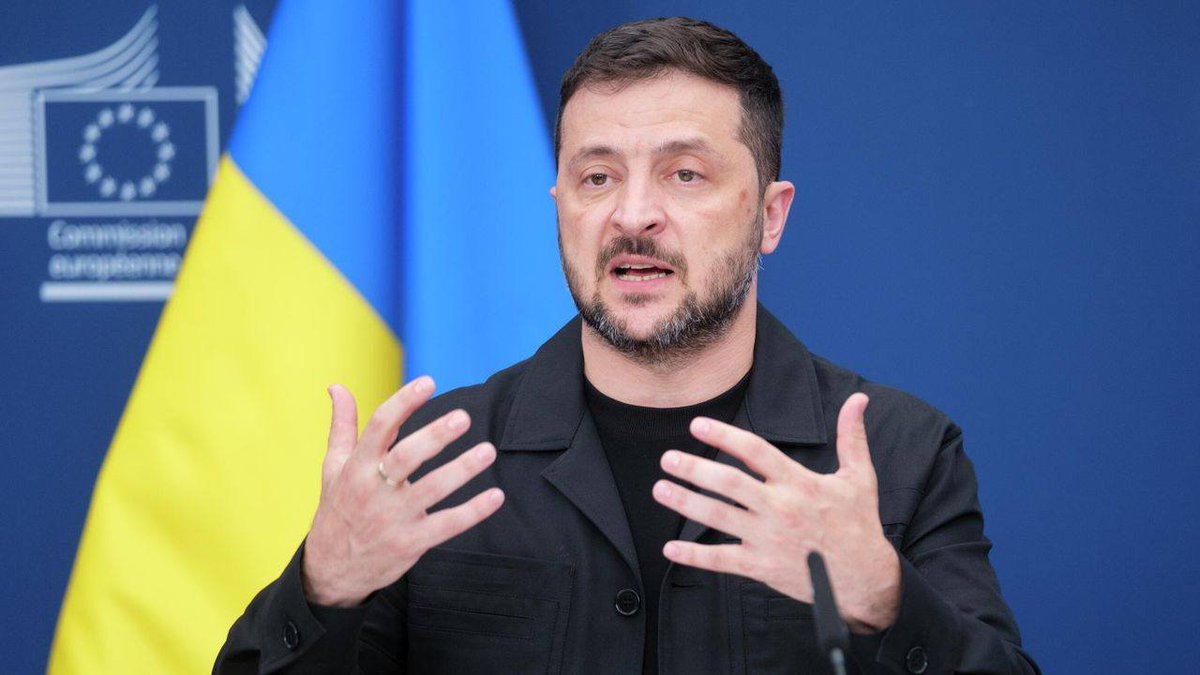




![#Ukraine #Moscow #FlamingoMissile Ukraine deploys new 6-ton missile to hit Moscow and Russian refineries -and the result was devastating. Ukraine deployed its massive new 6-ton FP-5 Flamingo cruise missile alongside a historic wave of over 1,000 drones in an unprecedented bombardment targeting Moscow and Russian oil refineries on Sunday, September 20, 2026. [1, 2] The attack caused catastrophic damage to the Gazpromneft-Moscow Oil Refinery in Kapotnya, a critical facility located just 10 miles from the Kremlin that supplies roughly 40% of the Russian capital's fuel and powers its war machine. [2, 3, 4] Key Details of the Strategic Strike The "Flamingo" Missile: Designed and manufactured dome](https://pbs.twimg.com/card_img/2101524927891353600/NOF7DOp0?format=png&name=420x420_2)
