The union said in a statement that the new agreement would include higher pay and allowances for remote work. brooklyneagle.com/404307/bro…
Day: July 23, 2026
Mayor Zohran Mamdani’s answer to DOGE wants New Yorkers to change the City Charter this fall to speed up outdoor dining approvals, street safety projects, construction permitting and certain sales of city-owned land.
The mayor’s Commission on Government Efficiency (COGE) released five proposed ballot questions on July 23 that would also change city contracting rules and establish a formula governing contributions to the city’s rainy day fund.
Several of the measures would eliminate mandatory public hearings or remove City Council review from decisions involving sidewalk cafes, certain small city-owned properties, and office leases.
The commission is scheduled to vote on Thursday evening. If it adopts the proposals, they would go before voters in November. Charter revision commissions can place proposed Charter changes directly on the ballot without Council approval.
COGE said the proposals followed 10 public hearings attended by more than 1,200 people, during which 264 people testified live and more than 600 submitted written comments.
What the five proposed ballot measures would change
One question takes aim at the city’s “revocable consent” process, which governs private uses of public space such as ramps, planters, benches and outdoor dining.
For restaurants, it would combine the separate sidewalk cafe and roadway dining applications. It would also remove mandatory public hearings, modernize notice requirements and eliminate the Council’s authority to call up sidewalk cafe applications for a vote. The Department of Transportation would instead be directed to seek community input through other means.
The commission says the outdoor dining approval process can take up to eight months. It estimates that its changes, paired with a separate DOT effort to clear an application backlog, could cut that to about two months and save businesses up to $1,800 in application-related costs, along with staff time.
Another proposal focuses on the city’s notoriously slow contracting system.
It would allow the Procurement Policy Board to tailor the city’s pre-contracting questionnaire based on factors including contract size and whether a vendor is a small business. The board would have to meet quarterly.
The measure would also let the mayor delegate certain approvals to city agencies, make permanent the use of written public comment instead of a hearing for certain contract awards, and remove a mandatory hearing from the process for producing the city’s client services plan. COGE estimates those changes could save up to 30 days on some procurements.
Not all of the promised contracting improvements would come from the ballot measure itself.
The city separately plans to shift nonprofit awards funded through Council discretionary spending from procurements to grants. A pilot reduced the time to payment from 10 months to six months, according to the report.
The administration also plans to establish umbrella agreements with pools of pre-vetted nonprofit providers. Once those agreements are in place, COGE estimates some contracting timelines could fall from 13 months to six months.
The broadest ballot question bundles together street safety projects, city property and office leasing.
It would limit the requirement that multiple units within the same agency separately sign off on major transportation projects. Required consultations would instead take place at the commissioner level, with each agency deciding which staff members should provide recommendations.
The proposal would also allow the DOT commissioner to fast-track street safety work when the agency identifies an immediate need. Required public notification would remain. COGE says the changes could speed up projects, including bike and bus lanes, by at least one-third.
The same question would let certain small, unused city properties go through the shorter Expedited Land Use Review Procedure. The City Planning Commission would make the final decision after review by the community board and borough president, cutting the authorization process for some parcels from about seven months to 90 days, according to COGE.
That faster process would also apply to transfers of unused development rights, or air rights, from city-owned landmarks. The commission estimates the city could generate more than $200 million from small surplus properties and transferable development rights.
The measure would also remove a City Planning Commission hearing and the Council’s disapproval authority from the process for leasing office space for city workers.The Department of Citywide Administrative Services would instead notify the local Council member, community board and borough president of its intent to acquire the space and provide notice to the comptroller after entering the lease. COGE estimates that could save up to 50 days.
A fourth question tackles the maze of construction approvals spread across city government.
It would create a centralized hub through which applicants could access and manage 40 permits and approvals now handled by 18 agencies and offices. Those agencies would retain their authority to review applications and enforce applicable laws.
The measure would also allow additional Department of Buildings officials to approve certificates of occupancy and move waterfront construction permitting from the Department of Small Business Services to DOB. The transfer would not change how the city determines what uses are permitted on waterfront land.
The final question focuses on how much the city should save for the next fiscal emergency.
It would set a rainy day fund target equal to 12% of city tax revenue from the previous fiscal year and require the Mayor’s Office of Management and Budget, in consultation with the comptroller, to publish a deposit methodology whenever the fund remains below that level.
The formula would have to be updated every four years and consider revenue growth, operating surpluses and other fiscal factors. It would not establish a fixed annual deposit amount.
The city could withdraw more than half of the fund in one fiscal year only if the mayor certified a compelling fiscal need, such as a recession, revenue decline, natural disaster or declared emergency. The proposed 12% target is lower than the 16% recommended by Comptroller Mark Levine.
The proposals arrived one day after a Staten Island judge dismissed a lawsuit brought by the charter commission former Mayor Eric Adams appointed on his final day in office. That panel sought to put open primaries and nonpartisan municipal elections before voters.
Justice Ralph Porzio upheld the state law under which the Adams-appointed commission expired without Mamdani’s confirmation. He also ruled that the mayor acted within the law by issuing notice before the end of the 180-day period, which the judge described as an outer limit for mayoral action.
Mamdani created COGE in May and cast it as the opposite of the federal Department of Government Efficiency, once led by trillionaire Elon Musk.
The administration said COGE would continue after the November election as an advisory board soliciting ideas from New Yorkers and recommending additional efficiency changes to the mayor.
Sean Gabrus keeps a mental statistic he calls the “cargo-bikes-per-playground measurement.” Whenever he pulls up to a playground with his two sons, he makes note of how many hefty electric cargo bikes he sees parked around.
“It’s like ‘okay, let me scan and see how many bikes are here,’ and it’s gone up, and it’s going up like month over month,” Gabrus said in an interview at William Sheridan playground in Williamsburg, his sons Kai, 4, and Nico, 2, playing nearby.
Gabrus is part of the growing number of New York parents who’ve turned to cargo bikes, specifically the Dutch-style, boxy, front-loading ones, to handle family errands such as school drop-offs, grocery runs, and playground visits. The market category reached nearly $100 million in U.S. sales in 2024, according to the group PeopleForBikes.
Gabrus bought his bike, an Urban Arrow FamilyNext Pro, at the Propel e-bike shop this past September and said he’s traveled about 1,500 miles with it since. “We use it quite often, enough that we sold our car,” Gabrus said about his family’s Ford Explorer. “It was literally within a few months we knew that we just didn’t need it anymore.”
Gabrus said the bike has expanded his family’s reach from a few nearby playgrounds to destinations up to 25 miles away, including Central Park and the Children’s Museum of Manhattan.
“They call it Daddy Camp. We hit the road every day on the bike,” Gabrus said about his children. “Now every day, my kids ask me ‘where we’re going to go today, Dad,’ because they know the range we can go is way further.”
The want for freedom is now seen at Whee!, a new family-oriented cargo bike shop in Park Slope that began selling bikes last month. Founders Evan Abel and Ed Casabian said they spent months wondering why New York had so few places to buy these bikes. “Chicago has more cargo bike shops than New York,” Abel said.
Casabian bikes his two children to school in Clinton Hill and Crown Heights on an Urban Arrow. “It’s the only way I could do it. Otherwise, I’d spend my whole day just picking up and dropping off kids,” Casabian said.

Whee!’s selection of bikes ranges from Aventon e-bikes which can cost around $2,000 to Urban Arrows, around $9,000. Despite cost, the founders at Whee! said their early sales have surpassed their expectations.
“People will come down the block after a test ride, literally just going ‘whee!’” Abel said. “Once you try it, you buy it.”
During a recent Urban Arrow test ride through Prospect Park with this reporteran amNY reporter seated in the cargo area, Abel stopped to speak with a mother riding a cargo bike. After asking a few questions and scheduling maintenance on her bike, she said she was happy to finally have a shop nearby.
At Propel, an e-bike shop near the Brooklyn Navy Yard, Nora McCauley is what the shop calls a “matchmaker.” There, she helps pair families and prospective customers with the right bike for them. A common goal is helping families use their car less. “We have a lot of customers who have a car and just literally try never to use it,” McCauley said.
“I sometimes feel like I’ve sold half the cargo bikes in Brooklyn,” McCauley said. She recalled families talking about spending a fortune on Ubers for the convenience, despite having a car, and how these bikes will help them save money.
Few New Yorkers have spent more time with cargo bikes than Shelly Mossey, owner of Rolling Orange Bike Shop in Carroll Gardens, who exchanged greetings with a stream of neighbors and customers during an interview outside the shop. Mossey has used human-powered cargo bikes to haul freight since his days as a partner at Chick Chack, a courier service.
“The truckers hated them because they were taking all the work,” Mossey said. “It’s a thrill for me to get where I’m going everywhere on my bike.”
Mossey said he’s seen “a huge rise in motorized cargo bikes, and mostly the rise in that is for hauling your kids around, not for deliveries.” He called the bikes a “great alternative to using a car.”
The larger trend of motors on the bikes troubled him however. “There’s just chaos now in the bike lanes. Just total chaos,” Mossey said. “People have stopped buying pedal bikes.”
Mossey shared that the shift in consumer interests has worsened his bike shop’s business. Despite concerns for his business, he maintained a need for safety above all. “Please, motorized e-bike riders, please respect traditional cyclists in the bike lane.”
Those on e-bikes have shared similar worries about vehicle speeds in bike lanes. “If you’re going 28 miles an hour, you shouldn’t be in a bike lane. If you’re not pedaling, you shouldn’t be in a bike lane,” Gabrus said.
But city infrastructure is beginning to catch up to the changing vehicles occupying the streets and bike lanes. On May 6, Mayor Zohran Mamdani announced that the Department of Transportation will redesign 10 miles of Bergen Street and Dean Street, where the Bergen Bike Bus comes through, into bike boulevards.
“It’s an exciting time to be biking in New York City,” Casabian said.
Survivors of domestic and gender-based violence in Brooklyn now have expanded access to long-term, trauma-informed care through a growing program at NYC Health + Hospitals/Kings County.
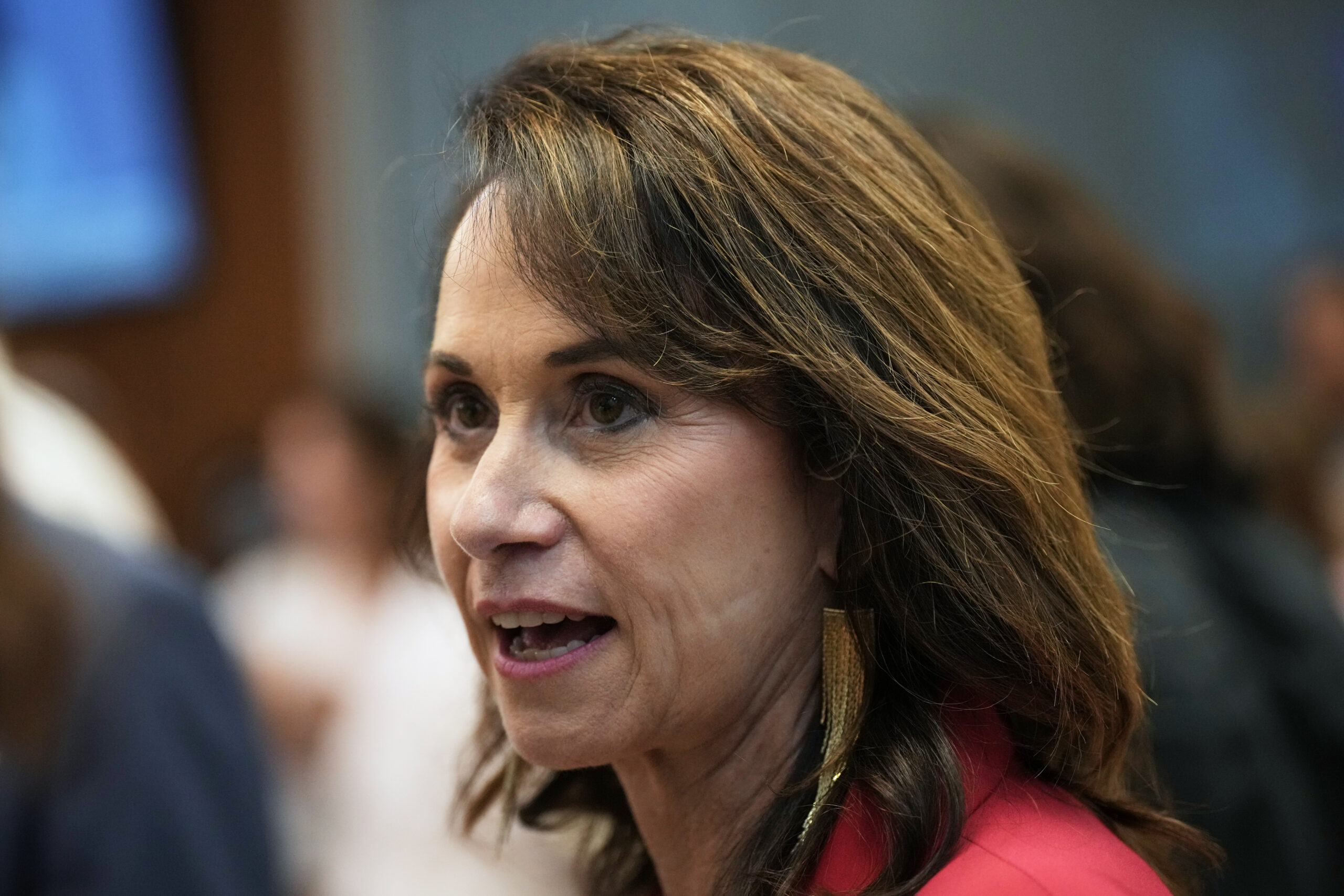
Hospital leaders, healthcare providers, community organizers and elected officials gathered Wednesday to celebrate the inaugural ceremony for Kings CARES, a survivor-centered initiative that launched earlier this year to provide coordinated follow-up care beyond a patient’s initial medical treatment.
The program was created to help survivors access medical care, counseling, specialty referrals and community resources in a singular coordinated system. During its first six months, the Kings CARES clinic has cared for nearly 50 patients.
In addition to medical services, the program offers on-site social services to help survivors with safety planning, advocacy and connections to community resources through Family Justice Centers in all five boroughs. Kings CARES also assists eligible patients with insurance enrollment and navigating health coverage to reduce barriers to care.
Hospital officials said the program is designed to provide comprehensive support throughout a survivor’s recovery rather than ending services after emergency treatment.
The ceremony recognized the partners that helped establish Kings CARES, bringing together representatives from healthcare organizations, advocacy groups, the Mayor’s Office, law enforcement and the Brooklyn District Attorney’s Office. They also highlighted the leadership of Drs. Privanka Datta, Keesandra Agenor and Elias Youssef in developing the initiative.
“Kings CARES was established to address a critical gap in services for survivors of violence by providing specialized medical and forensic follow-up care in an outpatient setting,” Dr. Datta, MD, medical director of Kings CARES and director of the clinical forensic medicine fellowship at NYC Health + Hospitals/Kings County. “By integrating medical care, forensic documentation, and connection to supportive services, Kings CARES improves access to comprehensive, trauma-informed care and reduces the burden on survivors to navigate multiple systems on their own.
Sheldon McLeod, CEO of NYC Health + Hospitals, said the program reflects the hospital’s commitment to extending care beyond its facilities.
“Kings CARES demonstrates our commitment to providing coordinated, patient-centered care that extends beyond the hospital walls,” McLeod said. “Together with our community partners, we are expanding access to the services survivors need to heal and thrive.”
Brooklyn District Attorney Eric Gonzalez said the partnership helps ensure survivors receive the comprehensive support needed for long-term recovery.
“Survivors of intimate partner violence require holistic support that extends beyond traditional medical care to also includes follow ups, safety planning, community resources and more,” Gonzalez said. “Kings CARES’ survivor-centered and trauma-informed approach is exactly the model that allows for full recovery and long-term well bring for victims, which is also the focus of my office’s Gender Based Violence Division. We are proud to partner with this program and look forward to continue collaborating on this essential work.”
For more information on the Kings CARES program, click here.
У нашей редакции уже накопилась целая подборка материалов «Радио Свобода», в которых вместо объективного анализа читателю предлагается вполне определенный политический вывод. Подборка публикаций Brighton Beach News
Новая статья под названием «Россия нам не друг. Лора Лумер на стороне Украины» продолжает эту тенденцию. (Точно такая же статья этого же автора выщла и в «украиской редакции» radiosvoboda.org/ )
Формально автор нигде не пишет, что Дональд Трамп был «на стороне России». Однако именно такое впечатление постепенно формируется у читателя. Как это достигается?
Текст статьи Валентина Барышникова (опубликованный на ресурсах «Радио Свобода») действительно выстроен с использованием тонких механизмов фрейминга (когнитивной рамки).
Задача автора здесь — не просто рассказать о поездке скандальной активистки Лоры Лумер в Киев, а сформировать у читателя устойчивую эмоциональную и смысловую связь между движением MAGA, окружением Трампа и «пророссийским вектором», из которого героиня якобы вырывается.
Ниже подробный разбор того, как именно статья смешивает личный опыт блогерки с образом Дональда Трампа и его команды.
1. Логическая цепочка «Переноса качеств» (Association Fallacy)
Авторы не могут напрямую заявить, что Трамп занимает пророссийскую позицию (это противоречило бы журналистским стандартам и фактам), поэтому они создают цепь контекстных склеек:
[Лора Лумер] ──(близка)──> [Дональд Трамп] ──(ассоциируется)──> [Лагерь MAGA] ──(ранее)──> [Пророссийские нарративы]
- Увеличение масштаба фигуранта: Лумер в статье описывается не просто как эксцентричный блогер, а как «влиятельная фигура», которая «имеет прямой контакт с Трампом» и выступает «наблюдателем за лояльностью» в Овальном кабинете.
- Проекция на Трампа: Сделав Лумер «чиновником от идеологии MAGA», автор автоматически транслирует её прошлые антиукраинские заявления («почему бы не болеть за Россию?») на всё окружение Трампа.
2. Прием «Драматургического прозрения» (Катарсис)
История Лумер подается по классической схеме раскаяния:
- Тьма (прошлое): Писала для RT, принижала страдания украинцев, верила дезинформации.
- Перелом: Поездка в Киев, Буча, удары по McDonald’s и Лавре.
- Свет (настоящее): «Мне лгали годами», «Россия — это джихад и коммунизм».
В чем скрытый подтекст против Трампа?
Показывая «прозрение» Лумер, статья косвенно внушает читателю: вся остальная команда Трампа и сам экс-президент все еще находятся «во тьме» или под влиянием российской пропаганды. Раз Лумер «вырвалась из сетей Кремля», значит, те в MAGA, кто до сих пор не поддержал Украину безоговорочно, — всё ещё «распропагандированы».
3. Контекстное окружение: Сборный образ «Пророссийской администрации»
Чтобы закрепить ощущение, что республиканцы тяготеют к Москве, автор включает в финальную часть статьи упоминая других ключевых лиц из орбиты Трампа, но делает это в строго определенном ключе:
| Лицо в статье | Как подается в тексте | Косвенный смысловой посыл |
| Такер Карлсон | Интервью с Путиным, риторика сравнивается с идеологом Дугиным | «Идеологи MAGA транслируют кремлевские смыслы» |
| Марко Рубио | Снова встречается с Лавровым | «Дипломаты Трампа ищут контактов с РФ» |
| Каш Патель (дир. ФБР) | Планирует «необычный» визит в Россию на фоне санкций | «Силовики Трампа заигрывают с Москвой» |
Даже когда Лумер критикует Пателя, автор подводит к мысли: внутри команды Трампа идет борьба, но сама структура постоянно «дрейфует» в сторону переговоров с Кремлем.
4. Смешение «Изоляционизма» и «Поддержки России»
Один из главных приемов манипуляции — подмена понятий:
- Критика многомиллиардной помощи США («Америка прежде всего», экономический прагматизм) в тексте подается как равенство позиции «болеть за Россию».
- Позиция Трампа по первичности внутренних проблем США подается не как прагматичный изоляционизм, а как результат «российской дезинформации в соцсетях».
Итог
Журналист не утверждает прямо, что Трамп на стороне РФ. Вместо этого он конструирует контекст, где MAGA по умолчанию погружена в пророссийский нарратив, а визит Лумер подается как одиночная попытка «опомниться» на фоне того, как остальная администрация якобы продолжает заигрывать с Москвой.
Очень просто.
Сначала читателю напоминают, что Лора Лумер является сторонницей Дональда Трампа. Затем подробно рассказывают, что раньше она критиковала помощь Украине, а теперь изменила свои взгляды. После этого автор рассуждает, не означает ли это изменение позиции MAGA и администрации Трампа.
Хотя в конце статьи и содержится оговорка, что это «не является надежным признаком изменения позиции администрации», общий смысл материала уже сформирован: читателю предлагают провести логическую связь между прежними взглядами Лумер и политикой президента США.
Но где здесь факты?
Во время своего первого президентского срока Дональд Трамп стал первым президентом США, который одобрил поставки Украине летального вооружения, включая комплексы Javelin. Его администрация также проводила жесткую санкционную политику против проекта «Северный поток – 2» и в 2018 году подтвердила политику непризнания российской аннексии Крыма посредством «Крымской декларации».
В последующих публичных заявлениях Трамп неоднократно говорил о необходимости прекратить войну путем переговоров. При этом он не объявлял официальной политики признания российского суверенитета над украинскими территориями.
Можно спорить с его подходом. Можно поддерживать его или критиковать. Но утверждать или намекать, что его политическая линия была «пророссийской», — это уже не анализ, а политическая интерпретация.
Особенно странно видеть подобные публикации в СМИ, которое многие годы финансировалось за счет американских налогоплательщиков. Государственное финансирование не запрещает журналистам иметь собственную редакционную позицию. Однако читатели вправе ожидать, что материалы будут четко отделять факты от авторских выводов и не будут создавать политические ассоциации посредством композиции текста.
Именно поэтому возникает закономерный вопрос.
Если издание, существующее на средства американских налогоплательщиков, систематически публикует материалы, которые значительная часть аудитории воспринимает как политически односторонние, не пора ли Конгрессу США и надзорным органам оценить, насколько такая редакционная практика соответствует заявленной миссии объективного и беспристрастного информирования?
В демократическом обществе критика прессы — такая же часть свободы слова, как и право самой прессы публиковать свои материалы. И если читатели считают, что государственные средства используются для финансирования политически предвзятой журналистики, они имеют полное право обращаться к своим представителям в Конгрессе, сенаторам и соответствующим федеральным надзорным органам с просьбой провести проверку и дать публичную оценку.
«Лора Лумер, Трамп и волшебство политических ассоциаций: как из одного человека делают портрет президента»
Есть старый журналистский прием: если нельзя напрямую доказать нужный вывод — нужно создать нужное впечатление.
Именно этот прием особенно хорошо виден в статье Валентина Барышникова «Россия нам не друг. Лора Лумер на стороне Украины».
Сюжет статьи простой: американская активистка Лора Лумер, ранее критиковавшая помощь Украине, приехала в Киев, увидела последствия войны и заявила, что изменила свое мнение о России и Украине. Автор подробно рассказывает о ее прошлых взглядах, ее поездке и ее новых заявлениях.
Но затем происходит интересный поворот.
Статья вроде бы о Лоре Лумер.
А главным героем постепенно становится Дональд Трамп.
Почему?
Потому что читателю постоянно напоминают: Лумер — сторонница Трампа, человек из MAGA, человек с доступом к президенту.
И дальше возникает удобная ассоциация:
Лумер раньше относилась к России мягче → Лумер была рядом с MAGA → значит, возникает вопрос о позиции Трампа.
Только вот между этими пунктами отсутствует главный элемент — доказательство.
Личные взгляды одного активиста не являются политикой президента США.
А теперь проверим факты
Если смотреть не на политические ассоциации, а на реальные действия, картина получается совсем другая.
Во время первого срока Дональда Трампа США впервые начали поставлять Украине летальное оборонительное оружие, включая противотанковые комплексы Javelin.
Администрация Трампа продолжила политику непризнания российской аннексии Крыма.
При Трампе США ввели санкции против компаний, связанных с проектом «Северный поток — 2».
Это трудно назвать политикой поддержки Кремля.
Можно критиковать Трампа за стиль переговоров. Можно спорить с его методами. Можно не соглашаться с его подходом к войне.
Но факты остаются фактами: действия администрации не соответствуют образу политика, который якобы был «на стороне России».
Главный фокус статьи
Самая интересная часть материала — не то, что написано, а то, что остается за рамками.
Автор подробно объясняет, что Лора Лумер изменила мнение о России.
Но почти не рассматривает другой вопрос:
А что реально делал Трамп?
Вместо анализа решений президента читателю предлагают анализировать изменение взглядов одного человека.
Получается необычная логика:
Неважно, что президент делает.
Важно, кто из его сторонников когда-то что-то говорил.
Но если применять такую методику ко всем политикам, получится полный хаос.
Можно ли судить президента Байдена по заявлениям любого активиста-демократа?
Можно ли судить президента Обаму по словам любого сторонника Демократической партии?
Конечно нет.
Тогда почему этот метод применяется к Трампу?
«Нейтральный Трамп» — удобный политический образ
В статье появляется идея, что изменение взглядов Лумер может отражать «дрейф MAGA».
Но это уже не факт, а предположение.
Более того, реальные события показывают сложную картину:
Трамп одновременно выступал за переговорное завершение войны и поддерживал давление на Россию.
Он требовал большей ответственности от союзников, но это не означало поддержку Москвы.
Он критиковал некоторые расходы США, но критика размера помощи Украине не равна поддержке России.
Эти различия важны.
Но именно они теряются, когда политический анализ заменяется созданием впечатления.
Вопрос к журналистике
Главный вопрос не в том, нравится кому-то Трамп или нет.
Главный вопрос — насколько честно журналистика отделяет:
- факты;
- мнения;
- предположения;
- политические интерпретации.
Если статья посвящена Лоре Лумер — пусть анализируют Лору Лумер.
Если статья посвящена Трампу — пусть анализируют решения Трампа.
Но нельзя строить мост от одного человека к другому только потому, что это удобно для нужного политического вывода.
Американский налогоплательщик, который финансирует международные медиаструктуры США, имеет право ожидать не пропаганды любого направления, а честного разделения фактов и комментариев.
Потому что настоящая журналистика — это не искусство заставить читателя почувствовать правильный вывод.
Это искусство показать ему все факты и позволить сделать вывод самому.
Вопрос общественного контроля
Поскольку RFE/RL является частной некоммерческой корпорацией,
но получает значительное федеральное финансирование через USAGM,
американские граждане имеют право задавать вопросы:
- как расходуются бюджетные средства;
- соответствует ли деятельность заявленной миссии;
- соблюдается ли редакционная независимость;
- насколько объективно освещаются политические вопросы США.
Кому принадлежит Radio Free Europe / Radio Liberty?
Распространенное заблуждение — считать Радио Свобода обычным государственным
ведомством США. Юридически структура устроена иначе.
-
RFE/RL, Inc. — это частная некоммерческая корпорация,
зарегистрированная в штате Делавэр. -
Организация имеет собственный Board of Directors (совет директоров),
который принимает основные решения по деятельности корпорации. -
Финансирование осуществляется через федеральный грант
от U.S. Agency for Global Media (USAGM), которая получает бюджетные средства
через Конгресс США.
Официальные источники:
Радио Свобода: вопросы к редакционной политике, финансированию и прозрачности
1. Статья Валентина Барышникова о Лоре Лумер
Оригинальная статья Радио Свобода:
Вопрос для анализа:
почему материал о личной трансформации одного активиста связывается с более широкими выводами о MAGA и администрации президента США?
2. Автор статьи — Валентин Барышников
Официальная биография автора на сайте Радио Свобода:
- Редактор Радио Свобода по новым медиа
- На Радио Свобода с 1994 года
- С 2002 года работает в Праге
- Окончил мехмат МГУ
- Окончил режиссерские курсы при ВИППК Госкино России
Важно: открытые источники подтверждают образование и карьерный путь автора,
но не подтверждают наличие связей с российскими государственными структурами.
3. Кто финансирует Радио Свобода?
Radio Free Europe/Radio Liberty финансируется через
U.S. Agency for Global Media (USAGM), которая получает средства через бюджет США.
4. Что произошло с финансированием в 2025 году?
В 2025 году USAGM предприняло попытку прекратить грантовое финансирование RFE/RL.
Компания обратилась в суд, утверждая, что прекращение нарушает решение Конгресса о финансировании.
5. Куда американские граждане могут направлять жалобы и запросы?
Конгресс США
Комитеты Конгресса
6. Государственный контроль
Граждане могут направлять обращения по вопросам:
- использования бюджетных средств;
- соблюдения требований грантов;
- управления федеральными программами;
- соответствия заявленной миссии организации.
Важно
Критика редакционной политики СМИ является частью свободы слова.
Однако заявления о незаконной деятельности или иностранном влиянии требуют подтвержденных доказательств.
У нашей редакции уже накопилась целая подборка материалов «Радио Свобода», в которых вместо объективного анализа читателю предлагается вполне определенный политический вывод. Подборка публикаций Brighton Beach News
Новая статья под названием «Россия нам не друг. Лора Лумер на стороне Украины» продолжает эту тенденцию. (Точно такая же статья этого же автора выщла и в «украиской редакции» radiosvoboda.org/ )
Формально автор нигде не пишет, что Дональд Трамп был «на стороне России». Однако именно такое впечатление постепенно формируется у читателя.
Как это достигается?
Текст статьи Валентина Барышникова (опубликованный на ресурсах «Радио Свобода») действительно выстроен с использованием тонких механизмов фрейминга (когнитивной рамки).
Задача автора здесь — не просто рассказать о поездке скандальной активистки Лоры Лумер в Киев, а сформировать у читателя устойчивую эмоциональную и смысловую связь между движением MAGA, окружением Трампа и «пророссийским вектором», из которого героиня якобы вырывается.
Ниже подробный разбор того, как именно статья смешивает личный опыт блогерки с образом Дональда Трампа и его команды.
1. Логическая цепочка «Переноса качеств» (Association Fallacy)
Авторы не могут напрямую заявить, что Трамп занимает пророссийскую позицию (это противоречило бы журналистским стандартам и фактам), поэтому они создают цепь контекстных склеек:
[Лора Лумер] ──(близка)──> [Дональд Трамп] ──(ассоциируется)──> [Лагерь MAGA] ──(ранее)──> [Пророссийские нарративы]
- Увеличение масштаба фигуранта: Лумер в статье описывается не просто как эксцентричный блогер, а как «влиятельная фигура», которая «имеет прямой контакт с Трампом» и выступает «наблюдателем за лояльностью» в Овальном кабинете.
- Проекция на Трампа: Сделав Лумер «чиновником от идеологии MAGA», автор автоматически транслирует её прошлые антиукраинские заявления («почему бы не болеть за Россию?») на всё окружение Трампа.
2. Прием «Драматургического прозрения» (Катарсис)
История Лумер подается по классической схеме раскаяния:
- Тьма (прошлое): Писала для RT, принижала страдания украинцев, верила дезинформации.
- Перелом: Поездка в Киев, Буча, удары по McDonald’s и Лавре.
- Свет (настоящее): «Мне лгали годами», «Россия — это джихад и коммунизм».
В чем скрытый подтекст против Трампа?
Показывая «прозрение» Лумер, статья косвенно внушает читателю: вся остальная команда Трампа и сам экс-президент все еще находятся «во тьме» или под влиянием российской пропаганды. Раз Лумер «вырвалась из сетей Кремля», значит, те в MAGA, кто до сих пор не поддержал Украину безоговорочно, — всё ещё «распропагандированы».
3. Контекстное окружение: Сборный образ «Пророссийской администрации»
Чтобы закрепить ощущение, что республиканцы тяготеют к Москве, автор включает в финальную часть статьи упоминая других ключевых лиц из орбиты Трампа, но делает это в строго определенном ключе:
| Лицо в статье | Как подается в тексте | Косвенный смысловой посыл |
| Такер Карлсон | Интервью с Путиным, риторика сравнивается с идеологом Дугиным | «Идеологи MAGA транслируют кремлевские смыслы» |
| Марко Рубио | Снова встречается с Лавровым | «Дипломаты Трампа ищут контактов с РФ» |
| Каш Патель (дир. ФБР) | Планирует «необычный» визит в Россию на фоне санкций | «Силовики Трампа заигрывают с Москвой» |
Даже когда Лумер критикует Пателя, автор подводит к мысли: внутри команды Трампа идет борьба, но сама структура постоянно «дрейфует» в сторону переговоров с Кремлем.
4. Смешение «Изоляционизма» и «Поддержки России»
Один из главных приемов манипуляции — подмена понятий:
- Критика многомиллиардной помощи США («Америка прежде всего», экономический прагматизм) в тексте подается как равенство позиции «болеть за Россию».
- Позиция Трампа по первичности внутренних проблем США подается не как прагматичный изоляционизм, а как результат «российской дезинформации в соцсетях».
Итог
Журналист не утверждает прямо, что Трамп на стороне РФ. Вместо этого он конструирует контекст, где MAGA по умолчанию погружена в пророссийский нарратив, а визит Лумер подается как одиночная попытка «опомниться» на фоне того, как остальная администрация якобы продолжает заигрывать с Москвой.
Очень просто.
Сначала читателю напоминают, что Лора Лумер является сторонницей Дональда Трампа. Затем подробно рассказывают, что раньше она критиковала помощь Украине, а теперь изменила свои взгляды. После этого автор рассуждает, не означает ли это изменение позиции MAGA и администрации Трампа.
Хотя в конце статьи и содержится оговорка, что это «не является надежным признаком изменения позиции администрации», общий смысл материала уже сформирован: читателю предлагают провести логическую связь между прежними взглядами Лумер и политикой президента США.
Но где здесь факты?
Во время своего первого президентского срока Дональд Трамп стал первым президентом США, который одобрил поставки Украине летального вооружения, включая комплексы Javelin. Его администрация также проводила жесткую санкционную политику против проекта «Северный поток – 2» и в 2018 году подтвердила политику непризнания российской аннексии Крыма посредством «Крымской декларации».
В последующих публичных заявлениях Трамп неоднократно говорил о необходимости прекратить войну путем переговоров. При этом он не объявлял официальной политики признания российского суверенитета над украинскими территориями.
Можно спорить с его подходом. Можно поддерживать его или критиковать. Но утверждать или намекать, что его политическая линия была «пророссийской», — это уже не анализ, а политическая интерпретация.
Особенно странно видеть подобные публикации в СМИ, которое многие годы финансировалось за счет американских налогоплательщиков. Государственное финансирование не запрещает журналистам иметь собственную редакционную позицию. Однако читатели вправе ожидать, что материалы будут четко отделять факты от авторских выводов и не будут создавать политические ассоциации посредством композиции текста.
Именно поэтому возникает закономерный вопрос.
Если издание, существующее на средства американских налогоплательщиков, систематически публикует материалы, которые значительная часть аудитории воспринимает как политически односторонние, не пора ли Конгрессу США и надзорным органам оценить, насколько такая редакционная практика соответствует заявленной миссии объективного и беспристрастного информирования?
В демократическом обществе критика прессы — такая же часть свободы слова, как и право самой прессы публиковать свои материалы. И если читатели считают, что государственные средства используются для финансирования политически предвзятой журналистики, они имеют полное право обращаться к своим представителям в Конгрессе, сенаторам и соответствующим федеральным надзорным органам с просьбой провести проверку и дать публичную оценку.
«Лора Лумер, Трамп и волшебство политических ассоциаций: как из одного человека делают портрет президента»
Есть старый журналистский прием: если нельзя напрямую доказать нужный вывод — нужно создать нужное впечатление.
Именно этот прием особенно хорошо виден в статье Валентина Барышникова «Россия нам не друг. Лора Лумер на стороне Украины».
Сюжет статьи простой: американская активистка Лора Лумер, ранее критиковавшая помощь Украине, приехала в Киев, увидела последствия войны и заявила, что изменила свое мнение о России и Украине. Автор подробно рассказывает о ее прошлых взглядах, ее поездке и ее новых заявлениях.
Но затем происходит интересный поворот.
Статья вроде бы о Лоре Лумер.
А главным героем постепенно становится Дональд Трамп.
Почему?
Потому что читателю постоянно напоминают: Лумер — сторонница Трампа, человек из MAGA, человек с доступом к президенту.
И дальше возникает удобная ассоциация:
Лумер раньше относилась к России мягче → Лумер была рядом с MAGA → значит, возникает вопрос о позиции Трампа.
Только вот между этими пунктами отсутствует главный элемент — доказательство.
Личные взгляды одного активиста не являются политикой президента США.
А теперь проверим факты
Если смотреть не на политические ассоциации, а на реальные действия, картина получается совсем другая.
Во время первого срока Дональда Трампа США впервые начали поставлять Украине летальное оборонительное оружие, включая противотанковые комплексы Javelin.
Администрация Трампа продолжила политику непризнания российской аннексии Крыма.
При Трампе США ввели санкции против компаний, связанных с проектом «Северный поток — 2».
Это трудно назвать политикой поддержки Кремля.
Можно критиковать Трампа за стиль переговоров. Можно спорить с его методами. Можно не соглашаться с его подходом к войне.
Но факты остаются фактами: действия администрации не соответствуют образу политика, который якобы был «на стороне России».
Главный фокус статьи
Самая интересная часть материала — не то, что написано, а то, что остается за рамками.
Автор подробно объясняет, что Лора Лумер изменила мнение о России.
Но почти не рассматривает другой вопрос:
А что реально делал Трамп?
Вместо анализа решений президента читателю предлагают анализировать изменение взглядов одного человека.
Получается необычная логика:
Неважно, что президент делает.
Важно, кто из его сторонников когда-то что-то говорил.
Но если применять такую методику ко всем политикам, получится полный хаос.
Можно ли судить президента Байдена по заявлениям любого активиста-демократа?
Можно ли судить президента Обаму по словам любого сторонника Демократической партии?
Конечно нет.
Тогда почему этот метод применяется к Трампу?
«Нейтральный Трамп» — удобный политический образ
В статье появляется идея, что изменение взглядов Лумер может отражать «дрейф MAGA».
Но это уже не факт, а предположение.
Более того, реальные события показывают сложную картину:
Трамп одновременно выступал за переговорное завершение войны и поддерживал давление на Россию.
Он требовал большей ответственности от союзников, но это не означало поддержку Москвы.
Он критиковал некоторые расходы США, но критика размера помощи Украине не равна поддержке России.
Эти различия важны.
Но именно они теряются, когда политический анализ заменяется созданием впечатления.
Вопрос к журналистике
Главный вопрос не в том, нравится кому-то Трамп или нет.
Главный вопрос — насколько честно журналистика отделяет:
- факты;
- мнения;
- предположения;
- политические интерпретации.
Если статья посвящена Лоре Лумер — пусть анализируют Лору Лумер.
Если статья посвящена Трампу — пусть анализируют решения Трампа.
Но нельзя строить мост от одного человека к другому только потому, что это удобно для нужного политического вывода.
Американский налогоплательщик, который финансирует международные медиаструктуры США, имеет право ожидать не пропаганды любого направления, а честного разделения фактов и комментариев.
Потому что настоящая журналистика — это не искусство заставить читателя почувствовать правильный вывод.
Это искусство показать ему все факты и позволить сделать вывод самому.
Вопрос общественного контроля
Поскольку RFE/RL является частной некоммерческой корпорацией,
но получает значительное федеральное финансирование через USAGM,
американские граждане имеют право задавать вопросы:
- как расходуются бюджетные средства;
- соответствует ли деятельность заявленной миссии;
- соблюдается ли редакционная независимость;
- насколько объективно освещаются политические вопросы США.
Кому принадлежит Radio Free Europe / Radio Liberty?
Распространенное заблуждение — считать Радио Свобода обычным государственным
ведомством США. Юридически структура устроена иначе.
-
RFE/RL, Inc. — это частная некоммерческая корпорация,
зарегистрированная в штате Делавэр. -
Организация имеет собственный Board of Directors (совет директоров),
который принимает основные решения по деятельности корпорации. -
Финансирование осуществляется через федеральный грант
от U.S. Agency for Global Media (USAGM), которая получает бюджетные средства
через Конгресс США.
Официальные источники:
Радио Свобода: вопросы к редакционной политике, финансированию и прозрачности
1. Статья Валентина Барышникова о Лоре Лумер
Оригинальная статья Радио Свобода:
Вопрос для анализа:
почему материал о личной трансформации одного активиста связывается с более широкими выводами о MAGA и администрации президента США?
2. Автор статьи — Валентин Барышников
Официальная биография автора на сайте Радио Свобода:
- Редактор Радио Свобода по новым медиа
- На Радио Свобода с 1994 года
- С 2002 года работает в Праге
- Окончил мехмат МГУ
- Окончил режиссерские курсы при ВИППК Госкино России
Важно: открытые источники подтверждают образование и карьерный путь автора,
но не подтверждают наличие связей с российскими государственными структурами.
3. Кто финансирует Радио Свобода?
Radio Free Europe/Radio Liberty финансируется через
U.S. Agency for Global Media (USAGM), которая получает средства через бюджет США.
4. Что произошло с финансированием в 2025 году?
В 2025 году USAGM предприняло попытку прекратить грантовое финансирование RFE/RL.
Компания обратилась в суд, утверждая, что прекращение нарушает решение Конгресса о финансировании.
5. Куда американские граждане могут направлять жалобы и запросы?
Конгресс США
Комитеты Конгресса
6. Государственный контроль
Граждане могут направлять обращения по вопросам:
- использования бюджетных средств;
- соблюдения требований грантов;
- управления федеральными программами;
- соответствия заявленной миссии организации.
Важно
Критика редакционной политики СМИ является частью свободы слова.
Однако заявления о незаконной деятельности или иностранном влиянии требуют подтвержденных доказательств.