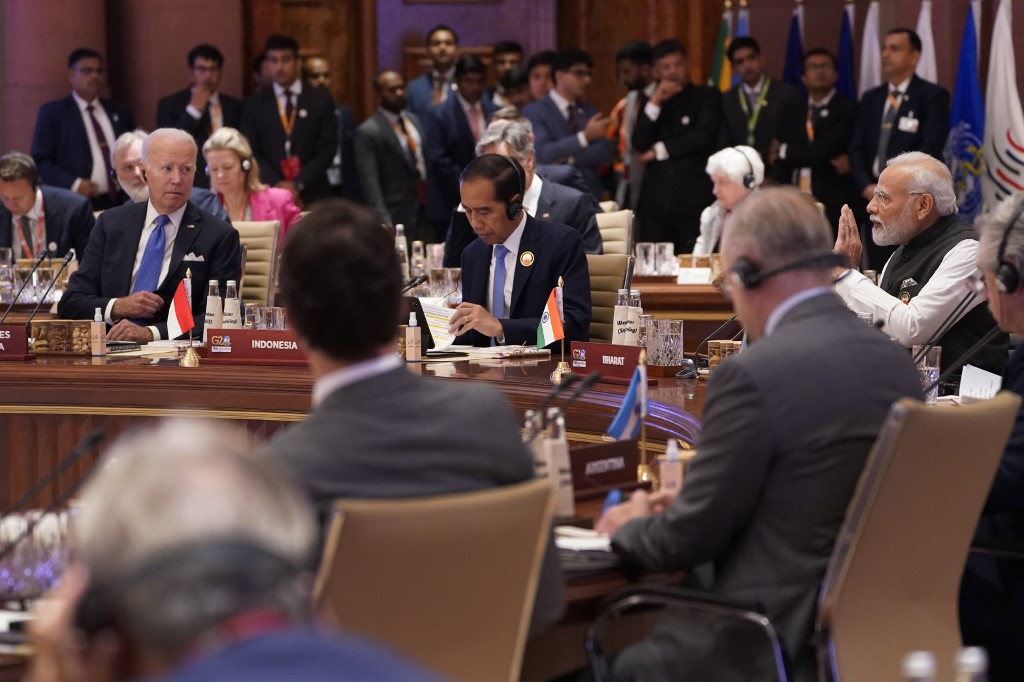
As expected, G20 summit in India fudges on key topics raising questions about the grouping’s significance.
The post G20 Leaders Paper Over Divisions on Ukraine, Climate first appeared on The News And Times – thenewsandtimes.com.
 The Ocean Avenue News - oceanavenuenews.com
As expected, G20 summit in India fudges on key topics raising questions about the grouping’s significance.
The post G20 Leaders Paper Over Divisions on Ukraine, Climate first appeared on The News And Times – thenewsandtimes.com.
The European Union castigated Russia on Saturday for pulling out of the Black Sea grain deal, calling its offer of a million tons of grain to African countries a “parody of generosity”.
Charles Michel, president of the European Council, told the annual G20 summit in New Delhi that the 2022 grain accord had delivered to vulnerable countries more than 30 times the volume offered to Africa by Russia.
“And what cynicism … you did not accept this,” Michel said in comments directed at the Russian summit representative, Moscow’s Foreign Minister Sergei Lavrov.
Russia quit the deal in July, a year after it was brokered by the United Nations and Turkey, complaining that its own food and fertiliser exports faced obstacles and insufficient Ukrainian grain was going to countries in need.
The Kremlin said on Saturday it was sticking to its conditions for a return to the deal.
“Not only have you decided to pull out of this agreement on the Black Sea, but at the same time you are attacking the port infrastructure,” Michel said.
“To add insult to injury, Russia is offering 1 million tons of grain to African countries in a parody of generosity,” he said, adding: “What cynicism and contempt for African countries”.
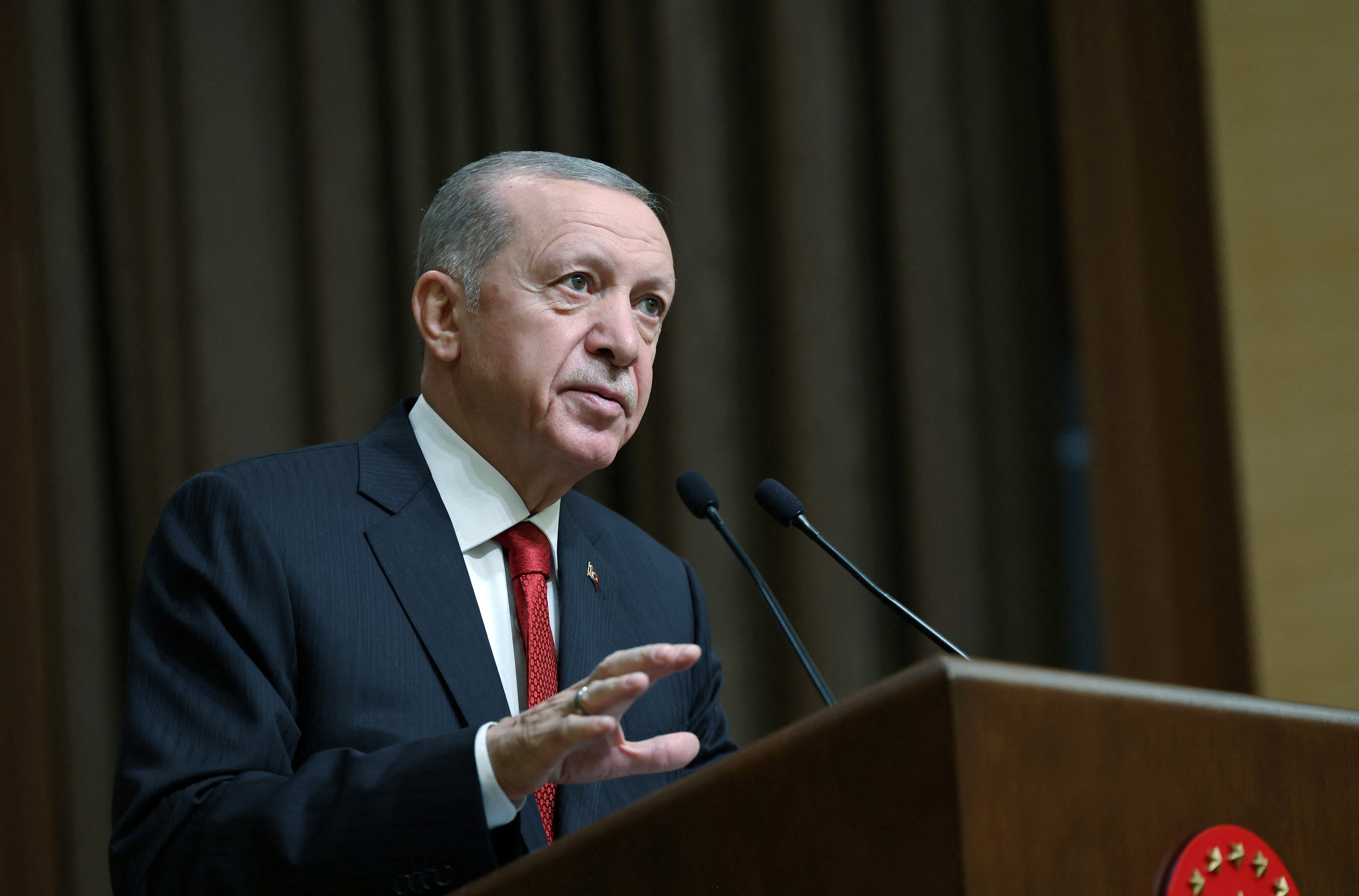
Turkish President Tayyip Erdogan held talks with Japanese Prime Minister Fumio Kishida at the sidelines of the G20 summit regarding efforts to revive the deal, two sources with knowledge of the matter said, without giving further details.
The news followed Erdogan’s remarks this week that it could be possible to revive the deal, urging Ukraine to soften its negotiating position and export more grain to Africa rather than Europe, although Ukraine opposes the idea of easing sanctions.
“Japan as a G7 (2023) presidency is ready to make a positive contribution in the discussion,” Hikariko Ono, press secretary at Japan’s foreign ministry, said on Saturday. “But I cannot reveal all the concrete efforts made by Prime Minister Kishida.”
The leaders declaration agreed by the G20 nations on Saturday called for ensuring ‘the immediate and unimpeded deliveries of grain…to meet the demand in developing and least developed countries, particularly those in Africa.’
“Japan is also very much interested in (the) resumption of the Black Sea grain initiative,” Ono said, adding that this would ensure food security worldwide.
The embassies of the two countries in New Delhi did not immediately respond to emailed requests for comment after the sources spoke on condition of anonymity on the summit sidelines.
There was no plan for the G7 grouping to announce anything new at the New Delhi summit, a Japanese official responsible for comments on the G20 and G7 blocs, the latter of which is being chaired by Japan this year, told Reuters.
The post EU takes aim at Russian “cynicism“ on Black Sea grain deal at G20 first appeared on The News And Times – thenewsandtimes.com.
Baku, September 9, AZERTAC
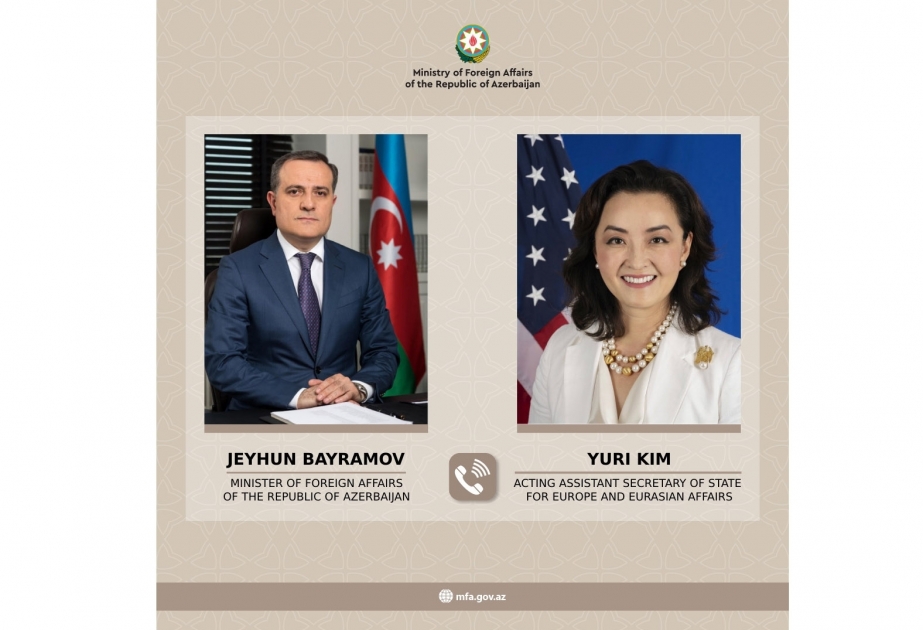
Azerbaijan’s Minister of Foreign Affairs Jeyhun Bayramov has held a telephone conversation with US Acting Assistant Secretary of State for European and Eurasian Affairs Yuri Kim.
During the telephone conversation, the sides discussed the latest situation in the region.
Minister Jeyhun Bayramov underscored that the increasing provocations of Armenia and the so-called regime, established by it in the territories of Azerbaijan, against the territorial integrity and sovereignty of Azerbaijan, and the Armenian armed forces, which have not yet been withdrawn from the territories of Azerbaijan in violation of obligations, pose a major threat to peace and security in the region.
FM Bayramov noted that the illegal activity carried out by the puppet regime in Azerbaijan’s Garabagh region under the pretext of “presidential elections” on September 9 is a gross violation of the Constitution of the Republic of Azerbaijan, laws and norms and principles of international law, adding that this activity seriously undermines efforts to normalize relations in the region and the process of reintegrating the Armenian residents of Garabagh.
The minister stressed the need for the unconditional and complete withdrawal of Armenian armed forces from the Garabagh region of Azerbaijan and the dissolution of the puppet regime.
The minister called for a resolute condemnation of this illegal activity carried out under the pretext of “election” in the territory of Azerbaijan, in accordance with the obligations under international law.
During the phone conversation, the sides also exchanged views on other issues of mutual interest.
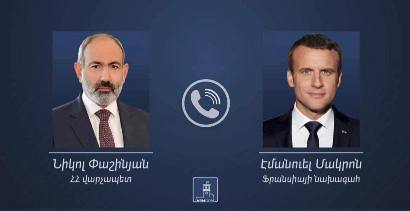
A telephone conversation took place between the Prime Minister of Armenia Nikol Pashinyan and the President of France Emmanuel Macron, Press Service of the Armenian government reports.
Issues related to the deepening humanitarian crisis in Nagorno-Karabakh as a result of the illegal blocking of the Lachin Corridor, the accumulation of Azerbaijani troops around Nagorno-Karabakh, and the increasing tension on the Armenia-Azerbaijan state border were discussed.
Prime Minister Pashinyan reaffirmed his commitment to the Prague agreements of October 6, 2022 and the Brussels agreements of May 14, 2023, and to the approach of solving all issues exclusively through diplomatic means and in a constructive atmosphere.
President Macron emphasized that the reduction of tension along the borders is a necessity. Prime Minister Pashinyan expressed readiness to hold urgent discussions with the president of Azerbaijan aimed at reducing tension.President Macron expressed his willingness to support the efforts aimed at establishing peace and stability in the region.

The post South Caucasus News: Let down by Moscow, Armenia looks to the West … Azerbaijani FM, US Acting Assistant Secretary of State hold phone talk … Armenian PM ready for urgent talks with Azerbaijani President … Georgian Prime Minister expresses readiness to contribute to regional peace and stability … Baku Hails Benefits of Defense Cooperation with Israel first appeared on The News And Times – thenewsandtimes.com.
Baku, September 9, AZERTAC
Azerbaijan’s Minister of Foreign Affairs Jeyhun Bayramov has held a telephone conversation with US Acting Assistant Secretary of State for European and Eurasian Affairs Yuri Kim.
During the telephone conversation, the sides discussed the latest situation in the region.
Minister Jeyhun Bayramov underscored that the increasing provocations of Armenia and the so-called regime, established by it in the territories of Azerbaijan, against the territorial integrity and sovereignty of Azerbaijan, and the Armenian armed forces, which have not yet been withdrawn from the territories of Azerbaijan in violation of obligations, pose a major threat to peace and security in the region.
FM Bayramov noted that the illegal activity carried out by the puppet regime in Azerbaijan’s Garabagh region under the pretext of “presidential elections” on September 9 is a gross violation of the Constitution of the Republic of Azerbaijan, laws and norms and principles of international law, adding that this activity seriously undermines efforts to normalize relations in the region and the process of reintegrating the Armenian residents of Garabagh.
The minister stressed the need for the unconditional and complete withdrawal of Armenian armed forces from the Garabagh region of Azerbaijan and the dissolution of the puppet regime.
The minister called for a resolute condemnation of this illegal activity carried out under the pretext of “election” in the territory of Azerbaijan, in accordance with the obligations under international law.
During the phone conversation, the sides also exchanged views on other issues of mutual interest.
The post Azerbaijani FM, US Acting Assistant Secretary of State hold phone talk first appeared on The News And Times – thenewsandtimes.com.
A telephone conversation took place between the Prime Minister of Armenia Nikol Pashinyan and the President of France Emmanuel Macron, Press Service of the Armenian government reports.
Issues related to the deepening humanitarian crisis in Nagorno-Karabakh as a result of the illegal blocking of the Lachin Corridor, the accumulation of Azerbaijani troops around Nagorno-Karabakh, and the increasing tension on the Armenia-Azerbaijan state border were discussed.
Prime Minister Pashinyan reaffirmed his commitment to the Prague agreements of October 6, 2022 and the Brussels agreements of May 14, 2023, and to the approach of solving all issues exclusively through diplomatic means and in a constructive atmosphere.
President Macron emphasized that the reduction of tension along the borders is a necessity. Prime Minister Pashinyan expressed readiness to hold urgent discussions with the president of Azerbaijan aimed at reducing tension.President Macron expressed his willingness to support the efforts aimed at establishing peace and stability in the region.
The post Armenian PM ready for urgent talks with Azerbaijani President first appeared on The News And Times – thenewsandtimes.com.
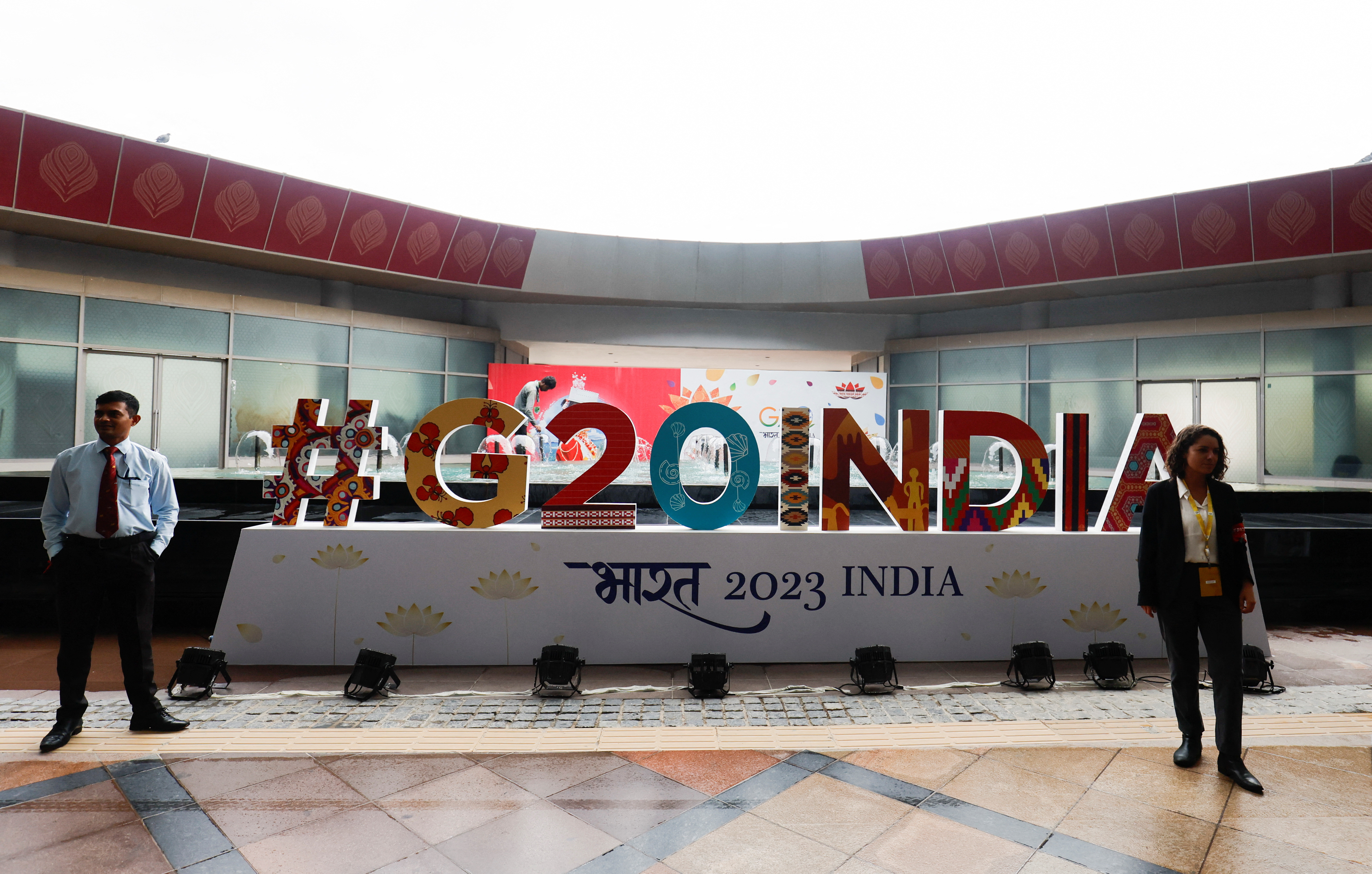
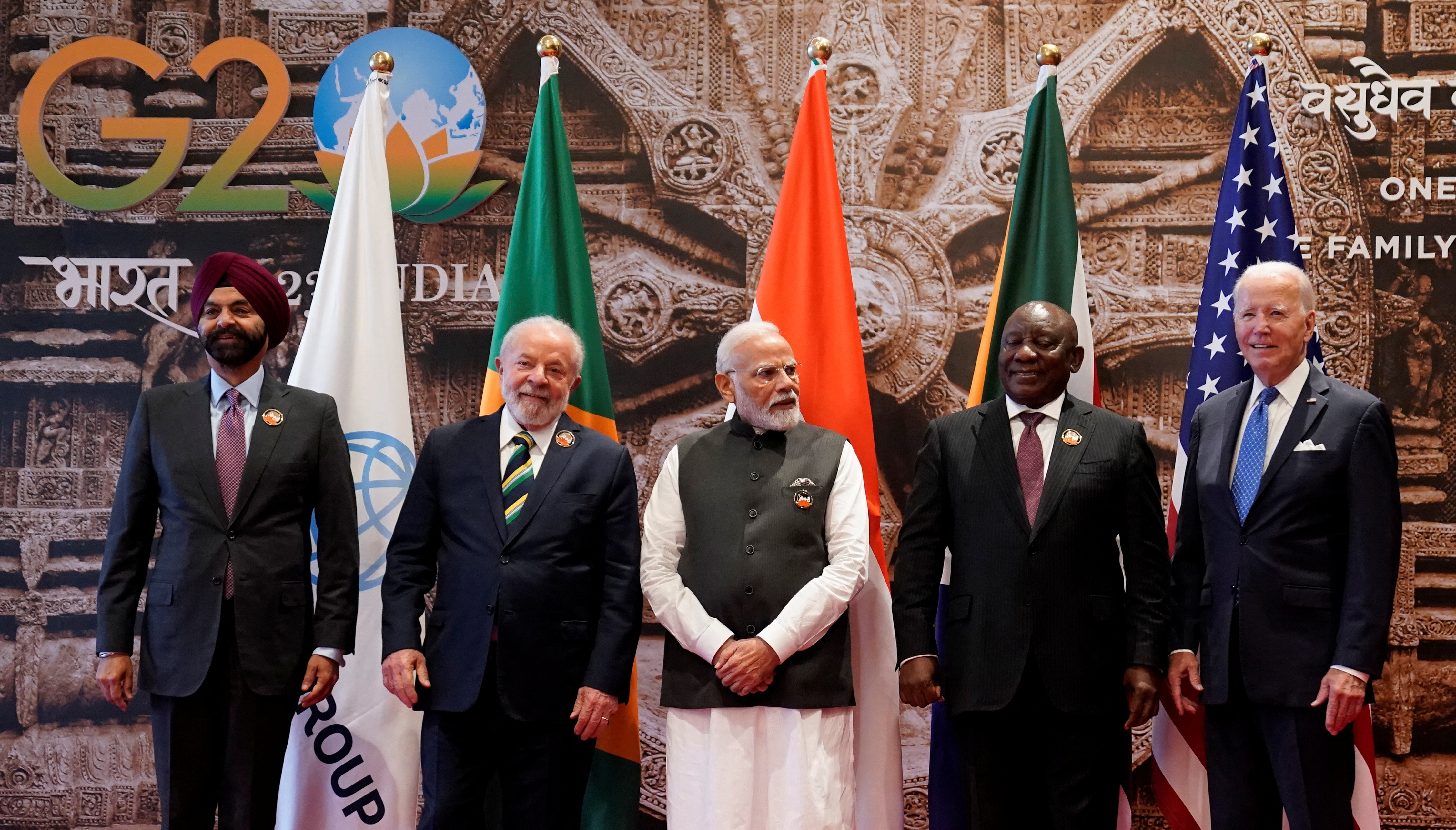
The Group of 20 nations adopted a consensus declaration on the opening day of a summit on Saturday that avoided condemnation of Russia for the war in Ukraine but called on all states to refrain from the use of force to seize territory.
Prime Minister Narendra Modi of host India announced that the declaration had been adopted on the first day of the weekend summit.
The consensus came as a surprise as the group is deeply divided over the war in Ukraine, with Western nations earlier pushing for strong condemnation of Russia in the Leaders’ Declaration, while other countries demanded a focus on broader economic issues.
“We call on all states to uphold the principles of international law including territorial integrity and sovereignty, international humanitarian law, and the multilateral system that safeguards peace and stability,” the declaration said.
“We … welcome all relevant and constructive initiatives that support a comprehensive, just, and durable peace in Ukraine.
“The use or threat of use of nuclear weapons is inadmissible,” the statement added.
The declaration also called for the implementation of the Black Sea initiative for the safe flow of grain, food and fertiliser from Ukraine and Russia. Moscow pulled out of the agreement in July over what it called a failure to meet its demands to implement a parallel agreement easing rules for its own food and fertiliser exports.
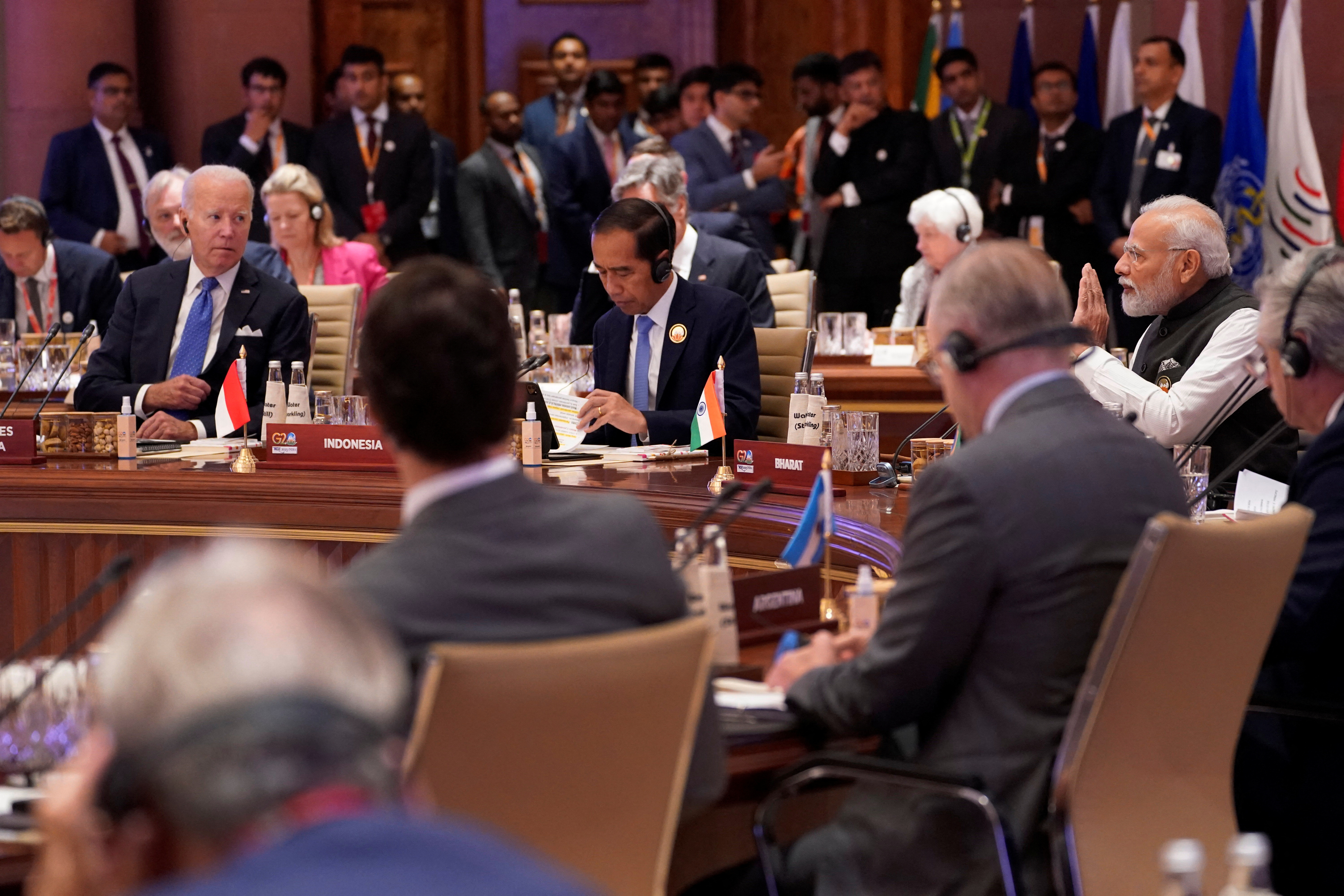
“On the back of the hard work of all the teams, we have received consensus on the G20 Leaders Summit Declaration. I announce the adoption of this declaration,” Modi told the leaders in New Delhi, including U.S. President Joe Biden and heads of government and state from across the world.
The differing views on the war had prevented agreement on even a single communique at ministerial meetings during India’s G20 presidency so far this year.
The declaration said the group agreed to address debt vulnerabilities in low and middle-income countries “in an effective, comprehensive and systematic manner”, but did not make any fresh action plan.
It said countries pledged to strengthen and reform multilateral development banks, while it accepted the proposal for tighter regulations of cryptocurrencies.
It also agreed that the world needs a total of $4 trillion of low-cost financing annually for the energy transition, with a high share of renewable energy in the primary energy mix.
The statement called for accelerating efforts towards a phasedown of unabated coal power, but said this had to be done “in line with national circumstances and recognizing the need for support towards just transitions”.
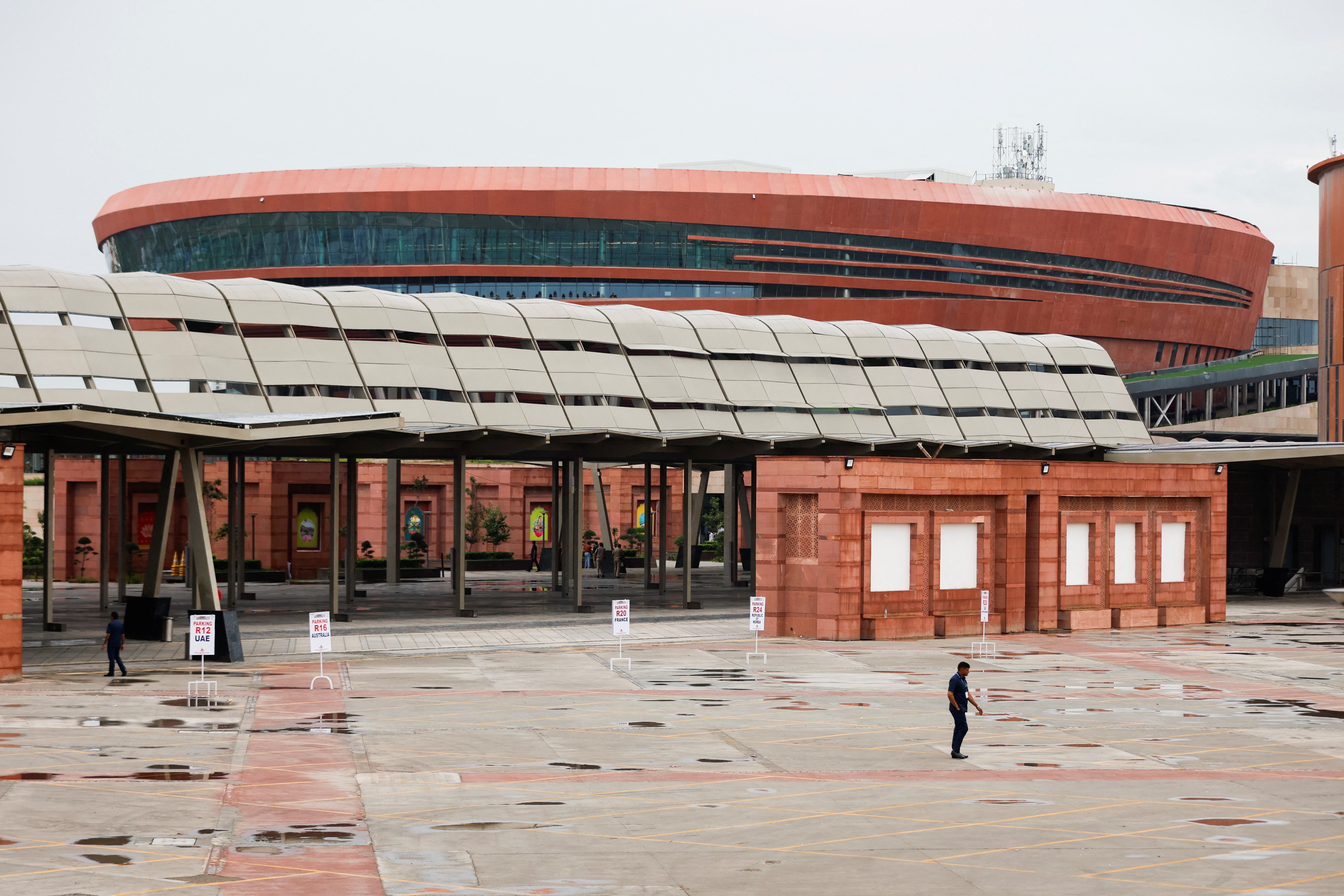
At the start of the day, Biden and other leaders were driven through deserted streets to a new, $300 million conch-shaped convention centre called Bharat Mandapam, opposite a 16th-century stone fort, for the summit.
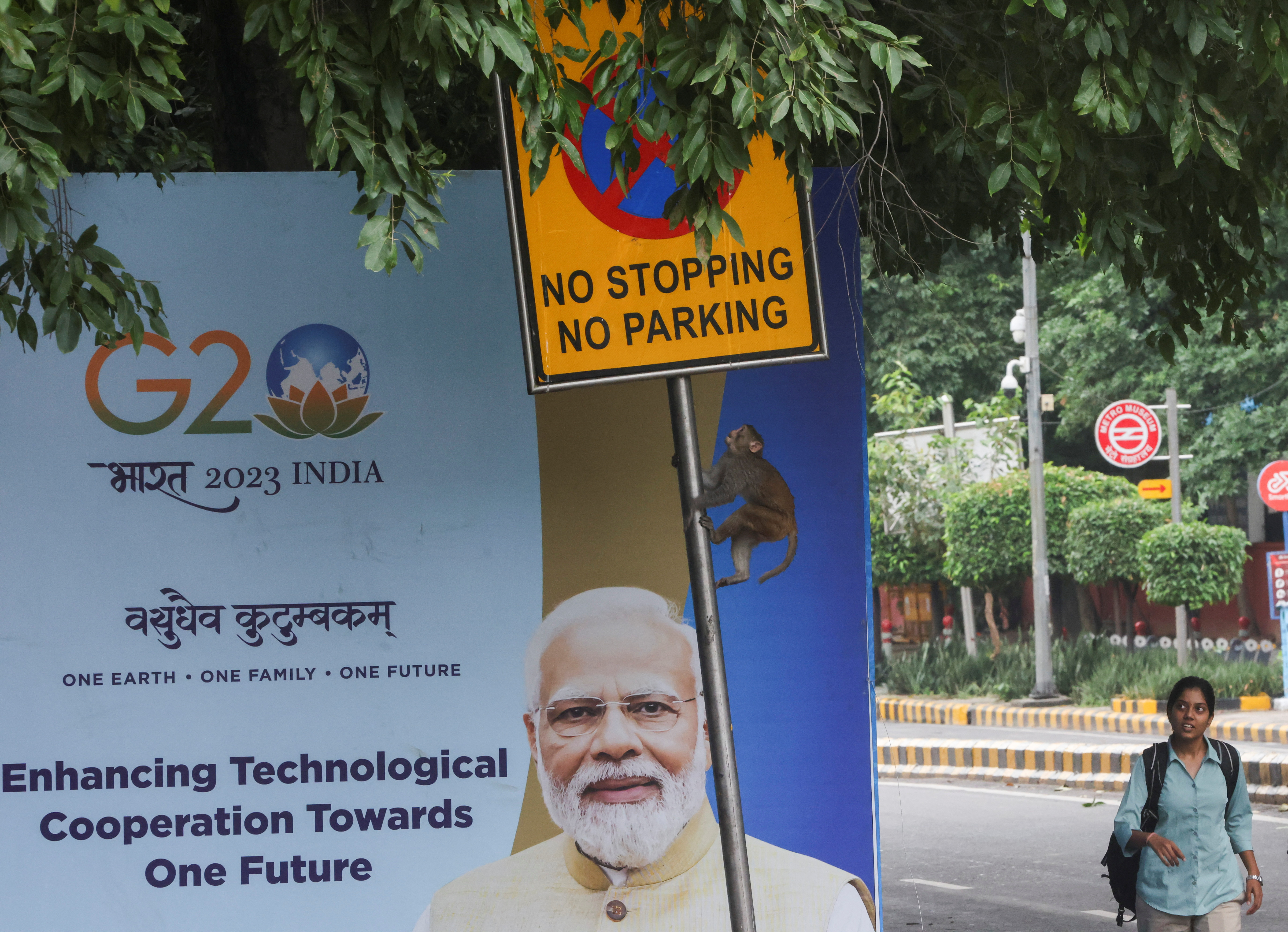
Many businesses, offices and schools have been closed in the city and traffic restricted as part of security measures to ensure the smooth running of the most high-powered meeting to be hosted by the country. Slums have been demolished and monkeys and stray dogs removed from the streets.
Earlier in the day, Modi inaugurated the meeting by calling on members to end a “global trust deficit” and announced that the bloc was granting permanent membership to the African Union in an effort to make it more representative.
“Today, as the president of G20, India calls upon the entire world to first convert this global trust deficit into one trust and one confidence,” he said. “It is time for all of us to move together.”
Despite the compromise over the Leaders’ Declaration, the summit had been expected to be dominated by the West and its allies. Chinese President Xi Jinping is skipping the meeting and has sent Premier Li Qiang instead, while Russia’s Vladimir Putin will also be absent.
Biden, German Chancellor Olaf Scholz, French President Emmanuel Macron, British Prime Minister Rishi Sunak, Saudi Arabia’s Mohammed Bin Salman and Japan’s Fumio Kishida, among others, are attending.
“It’s incumbent upon the Chinese government to explain” why its leader would or would not participate, Jon Finer, the U.S. deputy national security adviser, told reporters in Delhi.
He said there was speculation that China is “giving up on G20” in favour of groupings like BRICS, where it is dominant.
BRICS includes Brazil, Russia, India, China and South Africa, and has agreed to add another six new members — Saudi Arabia, Iran, Ethiopia, Egypt, Argentina and the United Arab Emirates – accelerating its push to reshuffle a world order it sees as outdated.
Russia is being represented by Foreign Minister Sergei Lavrov, who had said he would block the final declaration unless it reflected Moscow’s position on Ukraine and other crises.
Russia’s 2022 invasion of Ukraine has left tens of thousands of dead, displaced millions and sown economic turmoil across the world. Moscow denies committing atrocities during its conflict with Ukraine, which it terms a “special operation” to “demilitarize” its neighbour.
In the absence of an agreement on the declaration, India would have had to issue a chair statement, which would mean that G20 for the first time in 20 years of summits would not have had a declaration.
The post G20 summit statement avoids condemning Russia for Ukraine war, calls for peace first appeared on The News And Times – thenewsandtimes.com.
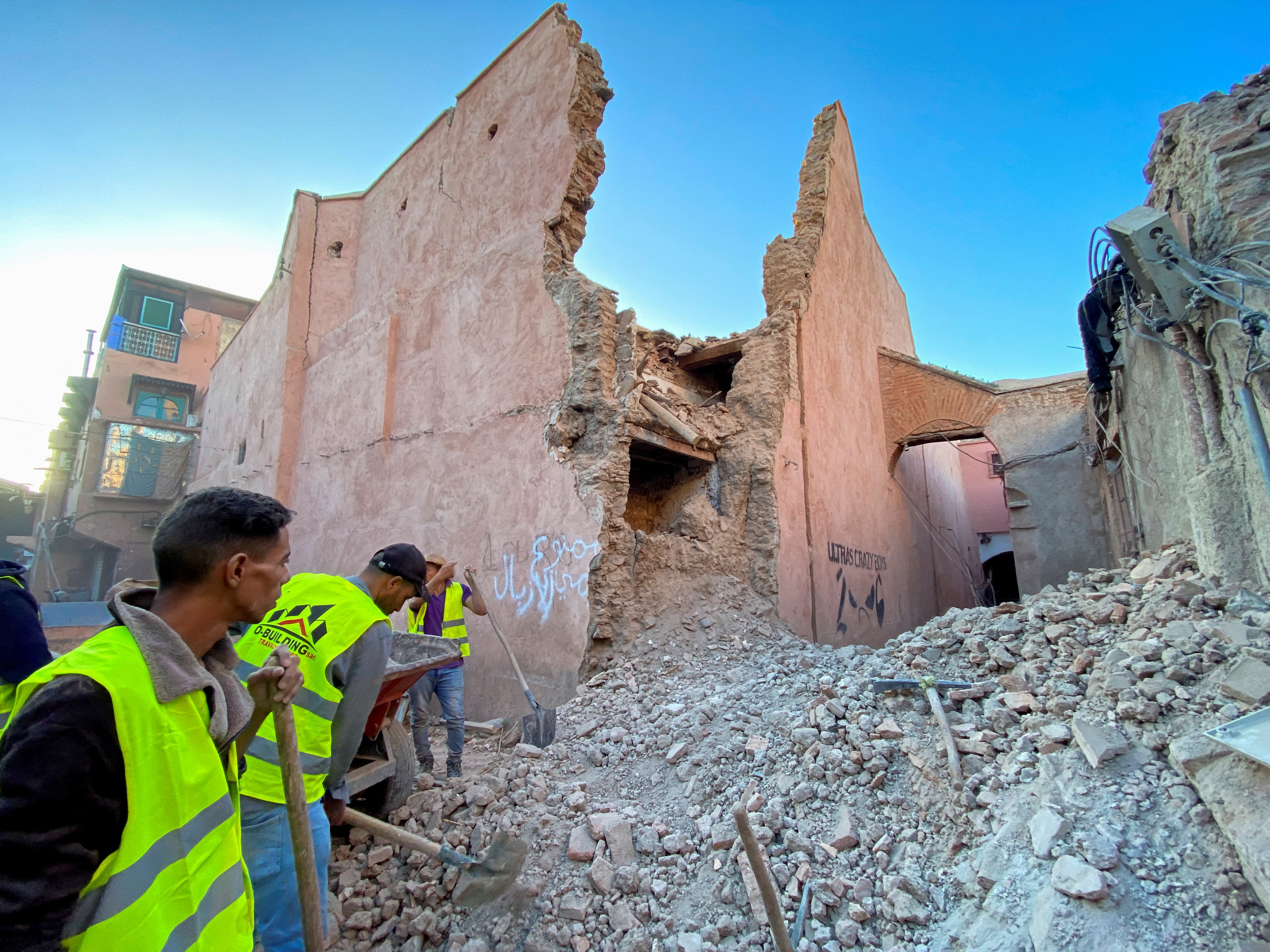
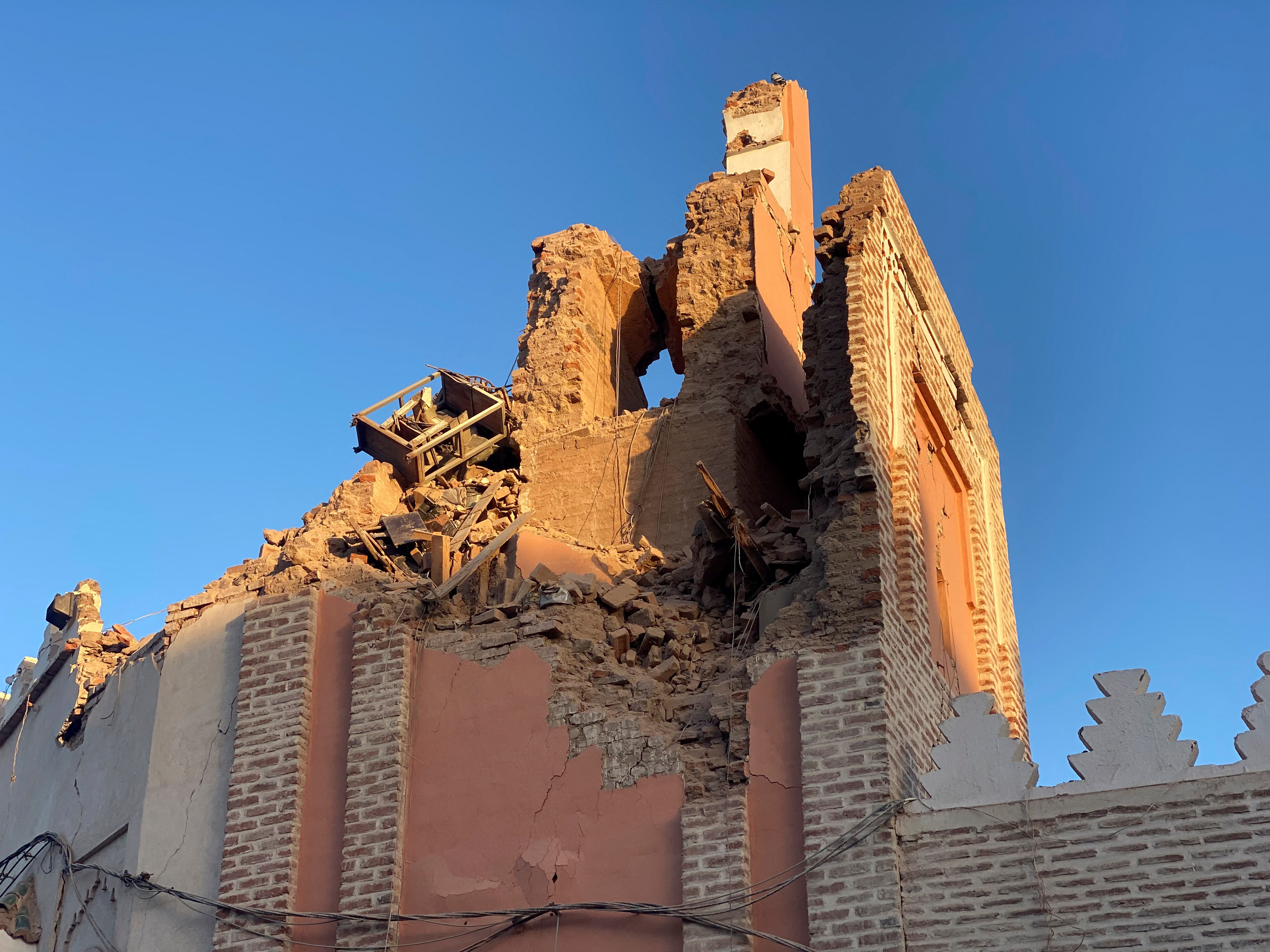
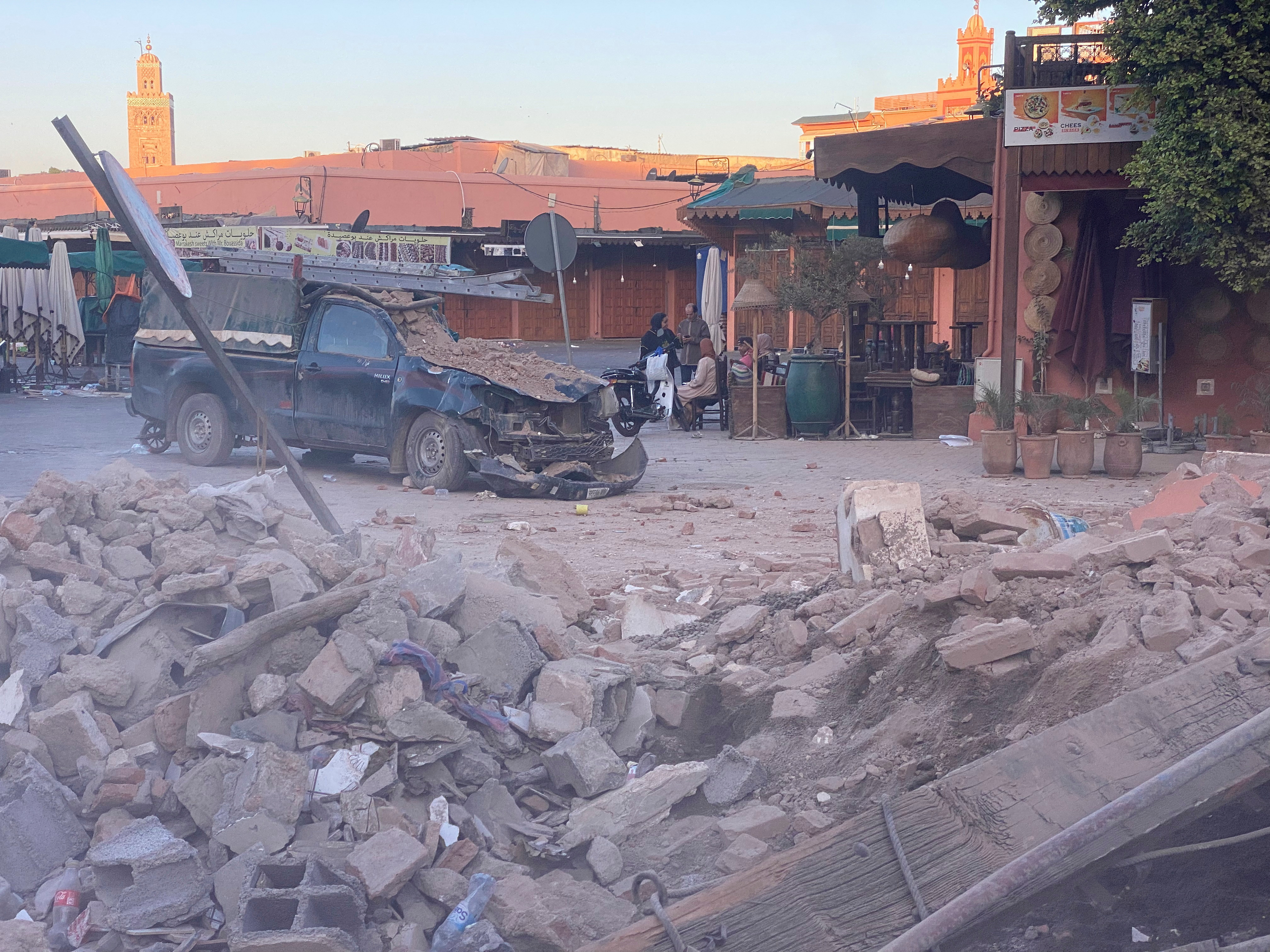
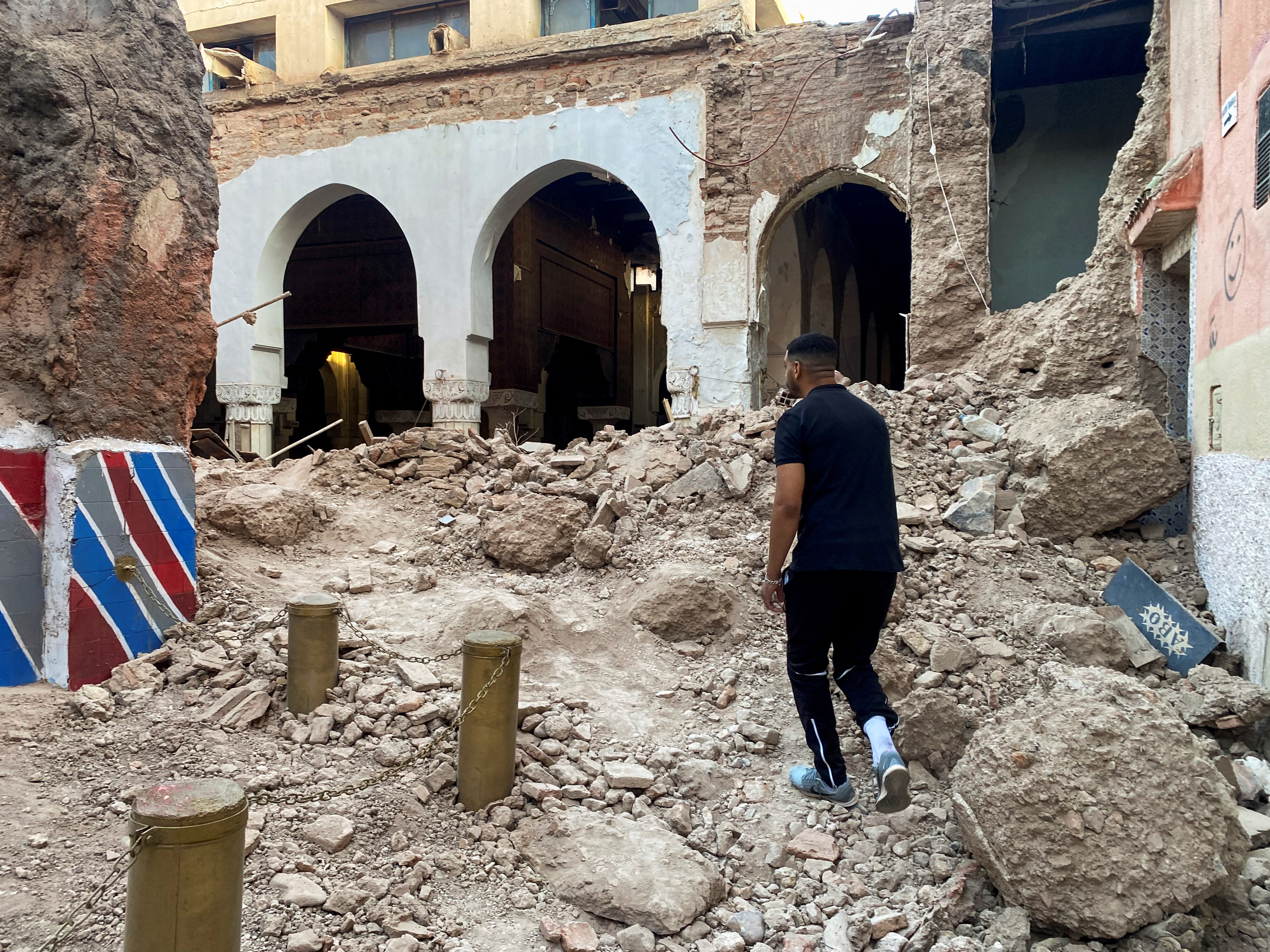
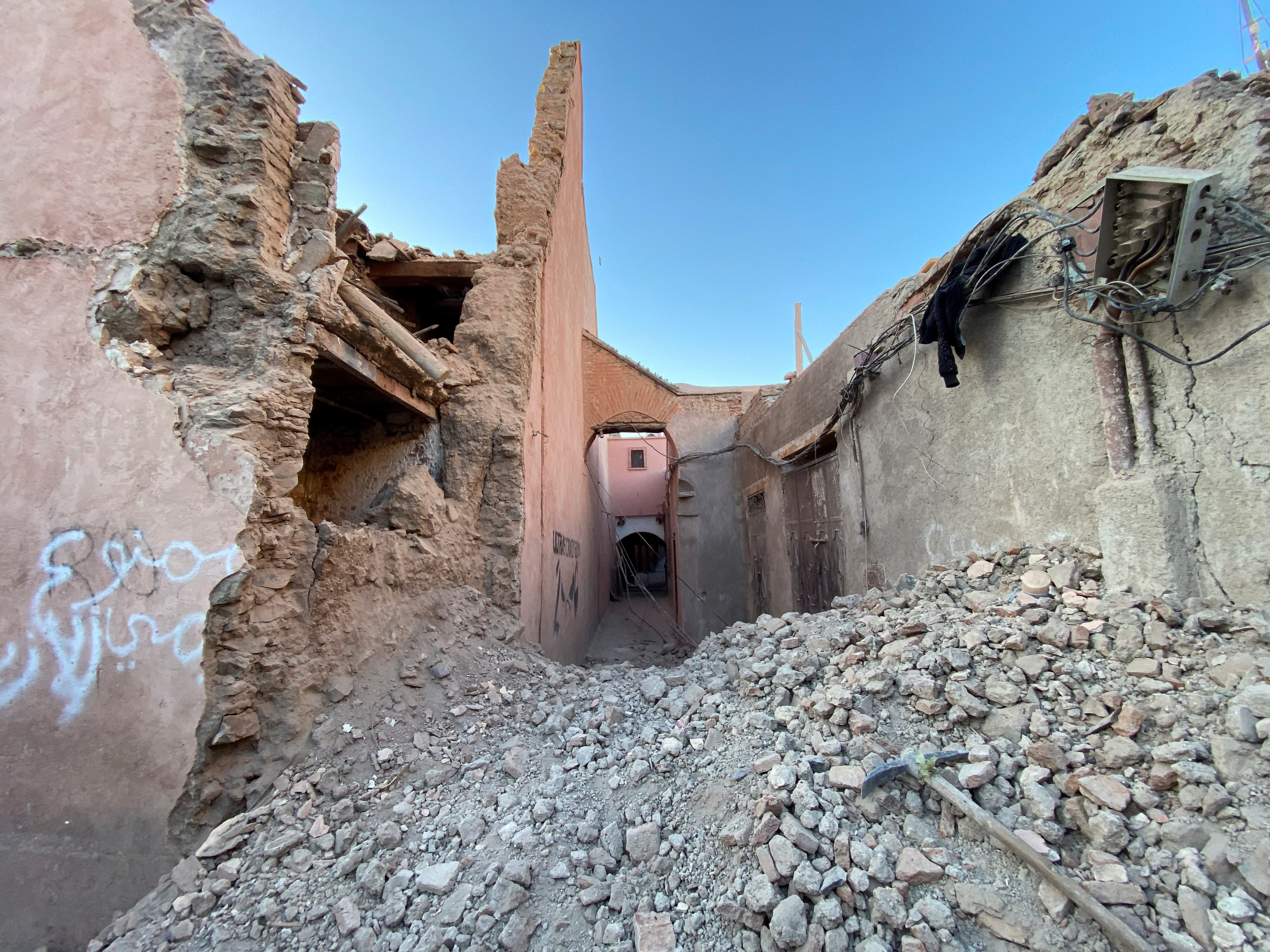
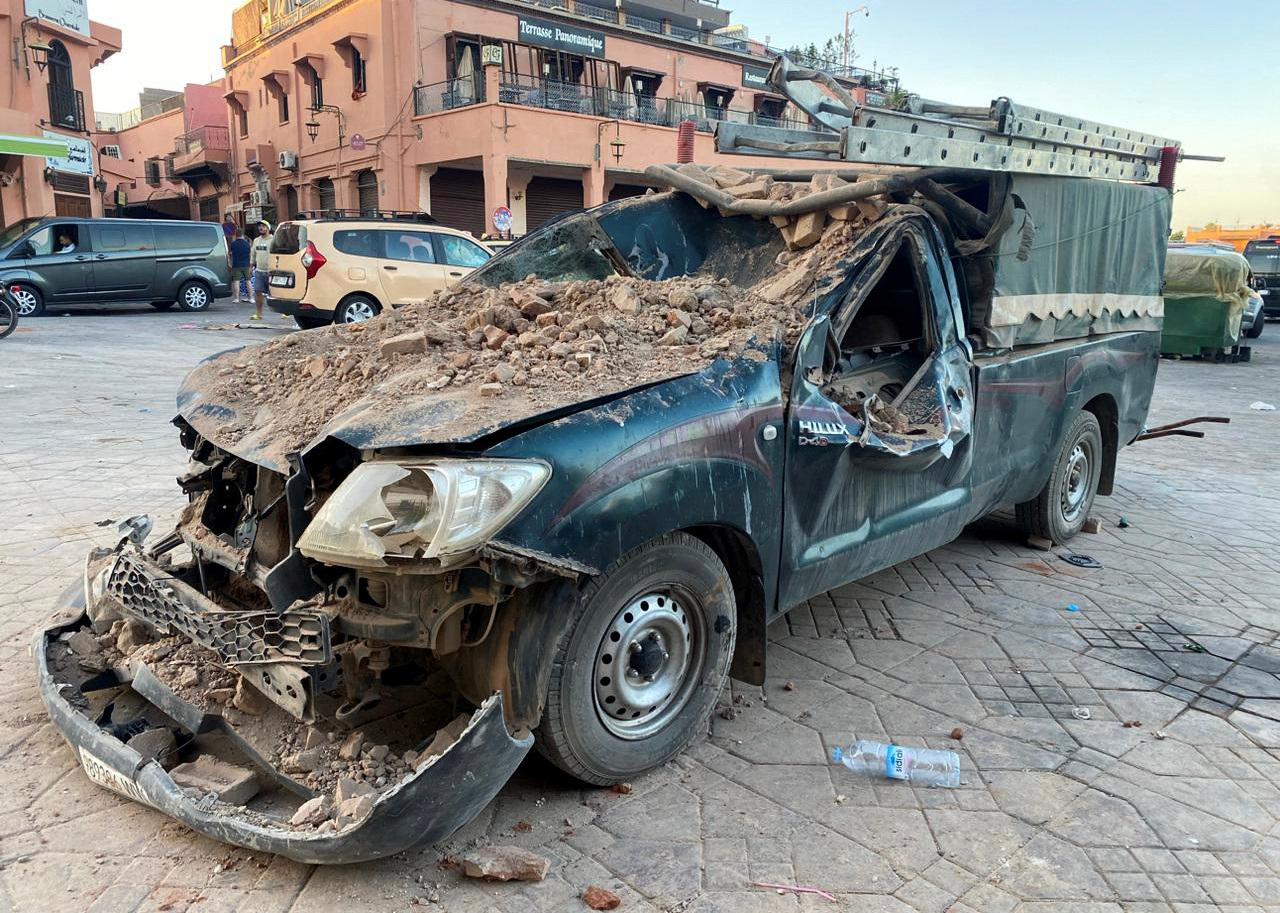
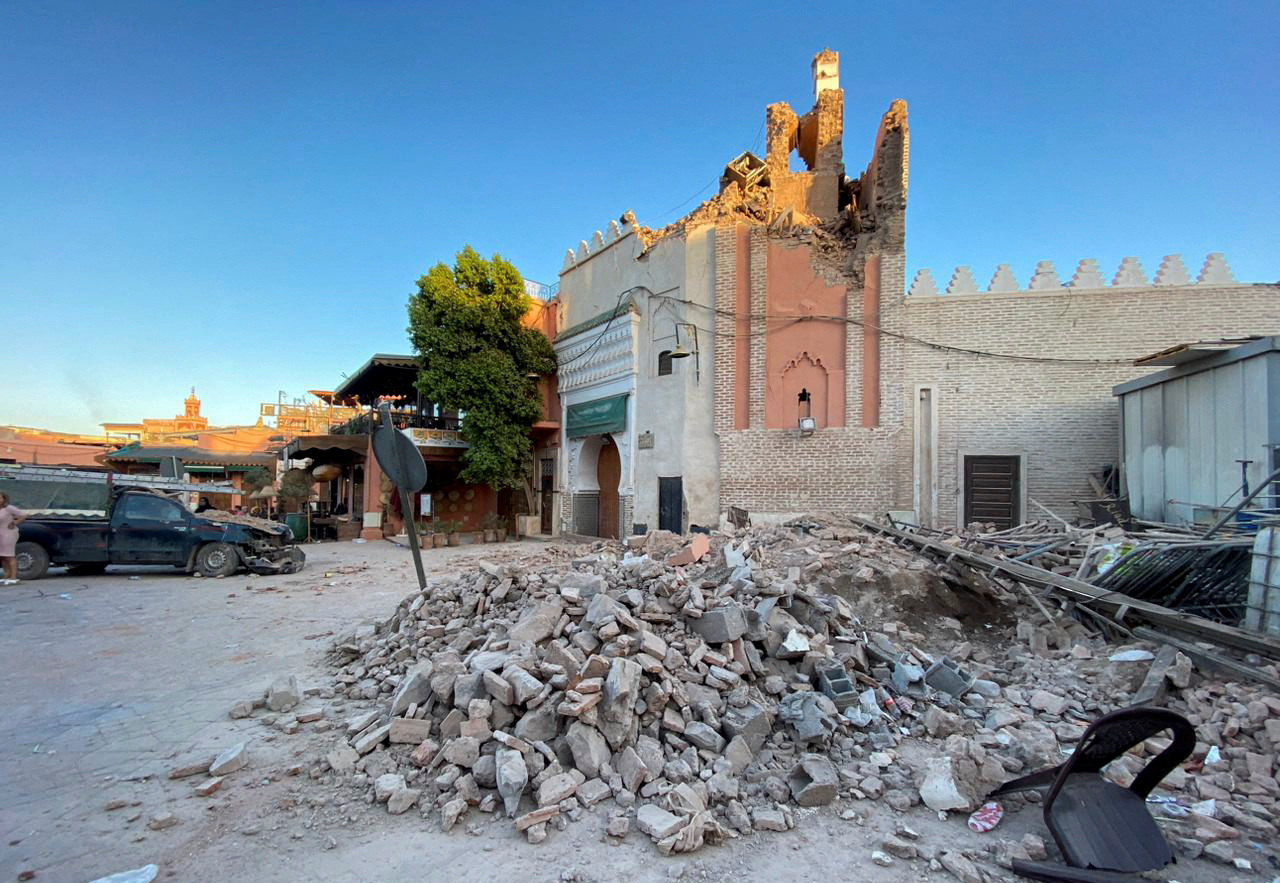
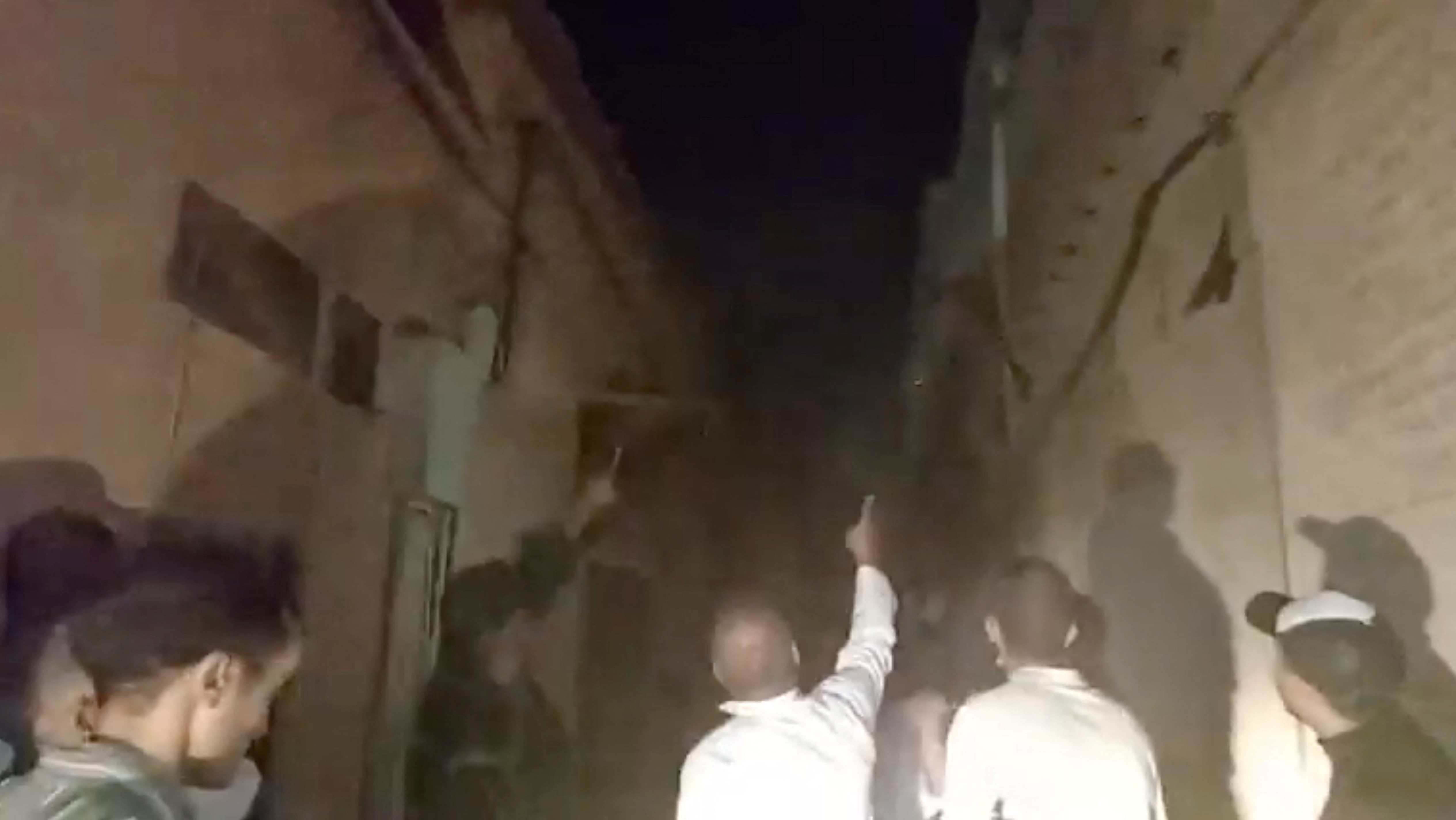
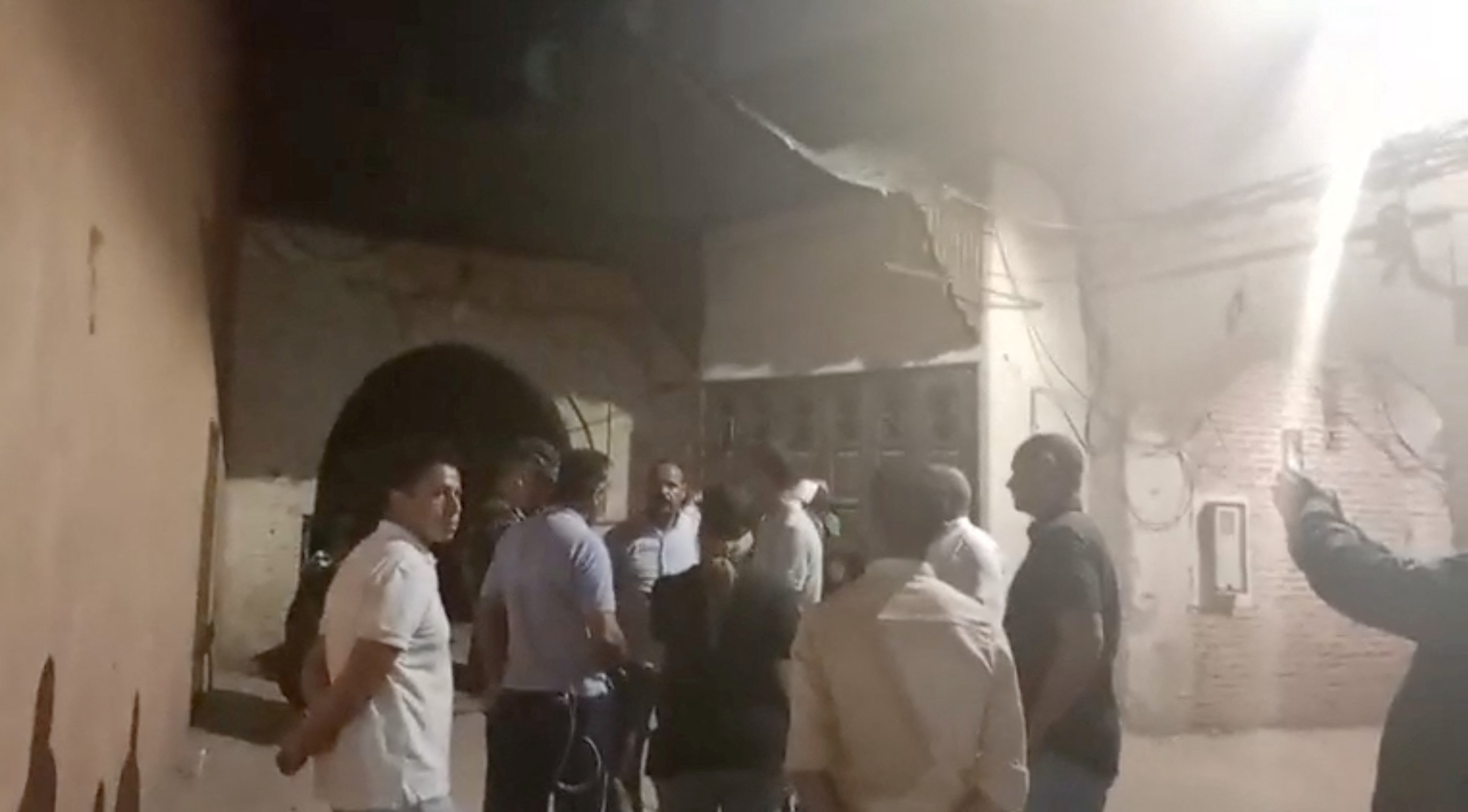
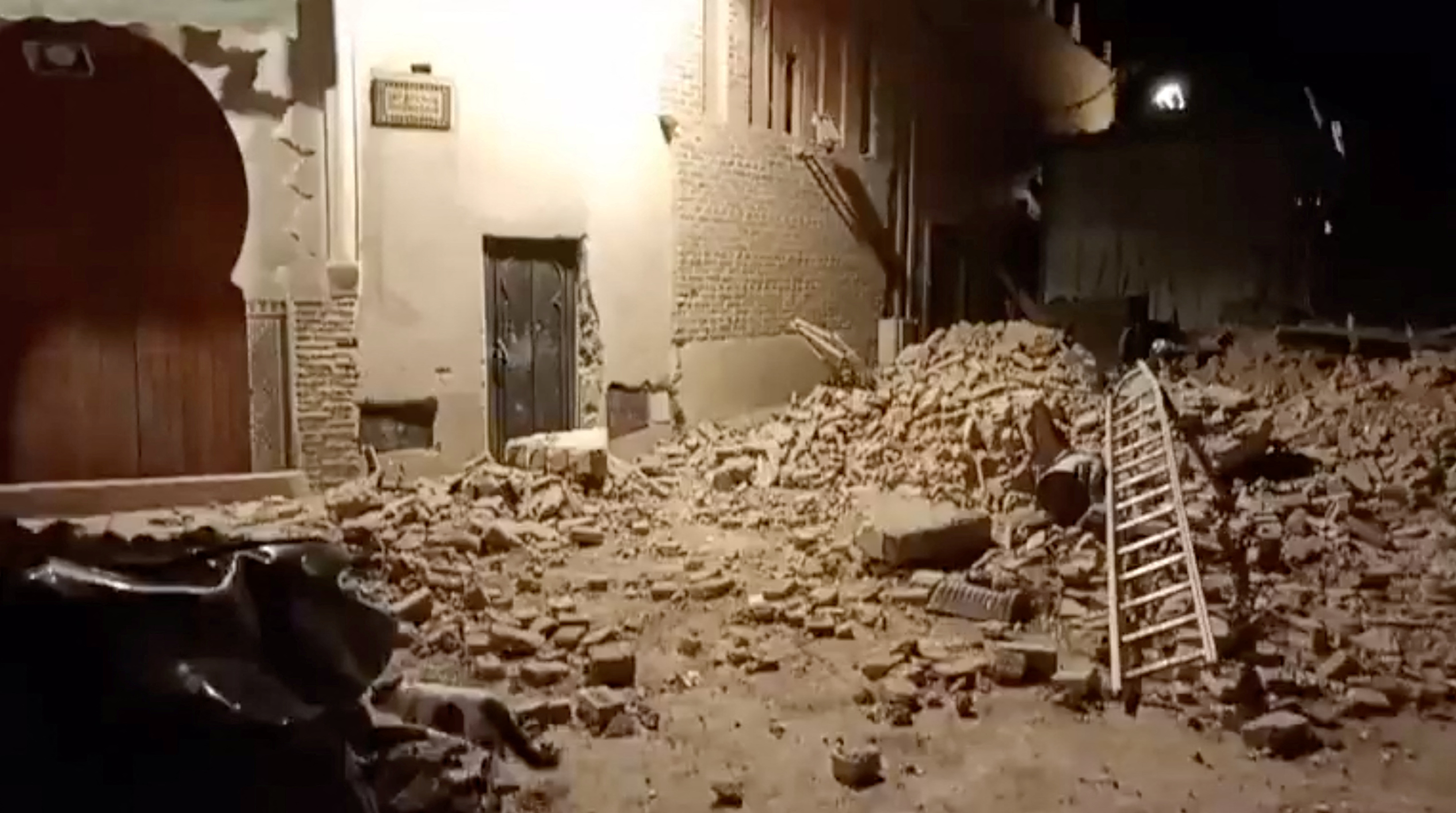
A powerful earthquake in Morocco has killed more than 800 people and injured hundreds more, the country’s deadliest tremor in more than six decades, toppling houses in remote mountain villages where rescuers dug through rubble for survivors.
The magnitude 7.2 quake struck in Morocco’s High Atlas mountains late on Friday night. The Interior Ministry said 820 people had been killed and another 672 injured. Most of the fatalities are in mountainous areas outside Marrakech, the nearest city to the epicentre, its updated toll showed.
In the village of Amizmiz, some 60 km (40 miles) south of Marrakech, rescue workers picked through the rubble.
“When I felt the earth shaking beneath my feet and the house leaning, I rushed to get my kids out. But my neighbours couldn’t,” said Mohamed Azaw. “Unfortunately no one was found alive in that family. The father and son were found dead and they are still looking for the mother and the daughter.”
About 20 men including firefighters and soldiers in fatigues stood atop the ruin of a house in Amizmiz as they tried to remove rubble, bits of carpet and furniture protruding from gaps between pancaked concrete floors.
In Marrakech, where 13 people were confirmed dead, residents spent the night in the open, afraid to go home.
Buildings in its old city, a UNESCO World Heritage site, suffered damage. A mosque minaret had fallen in Jemaa al-Fna Square, the heart of the old city.
Injured people filtered into Marrakech from the surrounding areas seeking treatment.
State television footage from the Moulay Ibrahim area some 40 km (25 miles) south of Marrakesh showed dozens of houses collapsed at the foothills of a mountain, and residents digging graves as groups of women stood in the street.
Montasir Itri, a resident of the village of Asni near the epicentre, said most houses there were damaged. “Our neighbours are under the rubble and people are working hard to rescue them using available means in the village,” he said.
Further west, near Taroudant, teacher Hamid Afkar said he had fled his home and felt aftershocks. “The earth shook for about 20 seconds. Doors opened and shut by themselves as I rushed downstairs from the second floor,” he said.
In Marrakech, residents described desperate scenes as people fled for safety. “I still can’t sleep in the house because of the shock and also because the old town is made up of old houses,” said Jaouhari Mohamed, an old city resident.
“If one falls, it will cause others to collapse,” he said.
The Interior Ministry urged calm, saying in a televised statement that the quake had hit the provinces of Al Haouz, Ouarzazate, Marrakech, Azilal, Chichaoua and Taroudant.
Morocco’s geophysical centre said the quake struck just after 11 p.m. (2200 GMT) in the Ighil area of the High Atlas.
It was Morocco’s deadliest since 1960 when a tremor was estimated to have killed at least 12,000 people, according to the U.S. Geological Survey.
Ighil, a mountainous area with small farming villages, is about 70 km (40 miles) southwest of Marrakech.
Spanish television RTVE reported tremors from the earthquake were felt in Huelva and Jaen in Andalusia, southern Spain.
Governments around the world expressed solidarity and offered assistance. Turkey, where powerful earthquakes in February killed more than 50,000 people, said it was ready to provide support.
Marrakech is due to host the annual meetings of the International Monetary Fund and World Bank in early October.
In Marrakech, some houses in the tightly packed old city had collapsed and people used their hands to remove debris while they waited for heavy equipment, said resident Id Waaziz Hassan.
People in the capital city of Rabat, about 350 km north of Ighil, and in the coastal town of Imsouane, about 180 km to its west, also fled their homes, fearing a stronger quake, according to Reuters witnesses.
In Casablanca, some 250 km north of Ighil, people who spent the night in the streets were too scared to return to their homes.
“The house rocked aggressively, everyone was scared,” said resident Mohamed Taqafi.
Videos shared on social media of the immediate aftermath of the quake, which Reuters could not immediately verify, showed people fearfully running out of a shopping centre, restaurants and apartment buildings and congregating outside.
The post Morocco earthquake kills over 800 people, rescuers dig for survivors first appeared on The News And Times – thenewsandtimes.com.
(Reuters) – Following are reactions and offers of aid from foreign governments to the powerful earthquake that struck Morocco late on Friday, killing hundreds and destroying buildings in the deadliest tremor to hit the country in decades.
INDIAN PRIME MINISTER NARENDRA MODI, INAUGURATING A G20 SUMMIT IN NEW DELHI
“We pray that all the injured people get well soon. The entire world community is with Morocco in this difficult time and we are ready to provide them all possible assistance.”
RUSSIAN PRESIDENT VLADIMIR PUTIN IN A MESSAGE TO MOROCCO’S KING MOHAMMED VI
“Please convey words of sympathy and support to the families and friends of the victims, as well as wishes for a speedy recovery to all those who have suffered as a result of this natural disaster.”
“We stand by our Moroccan brothers with all our means in this difficult day.”
“Algeria expresses its sincere condolences to the Moroccan people’s brothers in the earthquake victims,” the ministry was quoted as saying on the state TV’s Facebook page. “
“Algeria follows with great grief the consequences of the violent earthquake that hit several regions in the Kingdom of Morocco.”
“Awful images are reaching us from Morocco. Together with the people of Morocco, we mourn the victims of the terrible earthquake. Our thoughts are with them and all those who are searching for those buried in these hours and fighting for the lives of the many injured.”
“We are all shocked after the terrible earthquake in Morocco. France stands ready to help first aid responses.”
“All my solidarity with the people of Morocco in the face of the terrible earthquake … Spain stands with the victims of this tragedy and their families.”
In a statement, the Ministry of Foreign Affairs expressed its sincere condolences to the government and people of Morocco, and to the families of the victims of this tragedy, as well as its wishes for a speedy recovery for all the injured.
“Devastating earthquake in Morocco last night. Our thoughts are with the victims and their loved ones.”
His office said in a statement the prime minister offered his condolences to the Moroccan government and people and said Iraq was ready to provide all forms of assistance.
“PM @GiorgiaMeloni has learned with sorrow the tragic toll of the devastating earthquake that struck Morocco and expressed closeness and solidarity with Prime Minister Akhannouch and the Moroccan people, expressing Italy’s full readiness in this emergency,” Meloni’s office said.
The Turkish Foreign Ministry said Ankara was ready to provide all kinds of support “to heal the wounds of the earthquake in Morocco”.
“France … is ready to provide immediately its help for the rescue and assistance to the populations affected by this tragedy,” the French Foreign Ministry said in a statement.
Valerie Pecresse, president of the Paris region, said on X it was offering 500,000 euros ($535,000)in aid for Morocco.
Benoit Payan, the mayor of Marseille, said firemen will be sent to help rescue crews in Morocco, adding that Marrakech is Marseille’s “sister city”.
“The Spain military emergency unit and our embassy and consulates are at the disposal of Morocco,” Spanish Foreign Minister Jose Manuel Albares said at the G20 meeting in New Delhi.
Antonio Nogales, president of Spain’s Firefighters Without Frontiers, told RTVE Spanish television: “We are in contact with the Moroccan authorities and we are ready to go and help.” The organization was involved in helping find survivors of the earthquake in Turkey in February.
Foreign Minister Eli Cohen said “Israel is extending its hand to Morocco in this difficult time that it is experiencing, and as soon as we learned of the news of the earthquake that struck Morocco, we immediately offered its government to provide humanitarian aid and contribute to rescuing the victims”. The ministry said this in a post on X, originally in Arabic.
The Tunisian presidency said President Kais Saied had
“authorized coordination with the Moroccan authorities to direct urgent aid and send civil protection teams to support the Kingdom’s search and rescue efforts. He also authorized the facilitation of a delegation from the Tunisian Red Crescent to contribute to relief operations and surround the injured.”
Prime Minister Marcel Ciolacu said “the Romanian authorities are in close contact with the Moroccan authorities and ready to offer assistance”.
Taiwan’s fire department said it had put a team of 120 rescuers on standby to go to Morocco who can go the moment they get instructions from Taiwan’s foreign ministry.
The French Foreign Ministry said its embassy in Morocco and the ministry in Paris have opened crisis centres “to respond to demands for information or help from our compatriots.”
The German embassy in Rabat has set up an emergency number for Germans affected by the earthquake and is in close contact with local authorities, a German foreign ministry spokesperson said, without providing further details.
The Ministry of Foreign Affairs said it was identifying the locations of its citizens now present in Morocco, “communicating with them and checking on them.”
“The Russian Embassy in Rabat and the Consulate General in Casablanca are in constant contact with the Moroccan authorities. According to our diplomats, there are no Russian citizens among the victims of the earthquake,” Russia’s foreign ministry spokeswoman Maria Zakharova said in a statement.
($1 = 0.9347 euros)
The post Factbox-Foreign reactions and offers of aid in response to Morocco earthquake first appeared on The News And Times – thenewsandtimes.com.
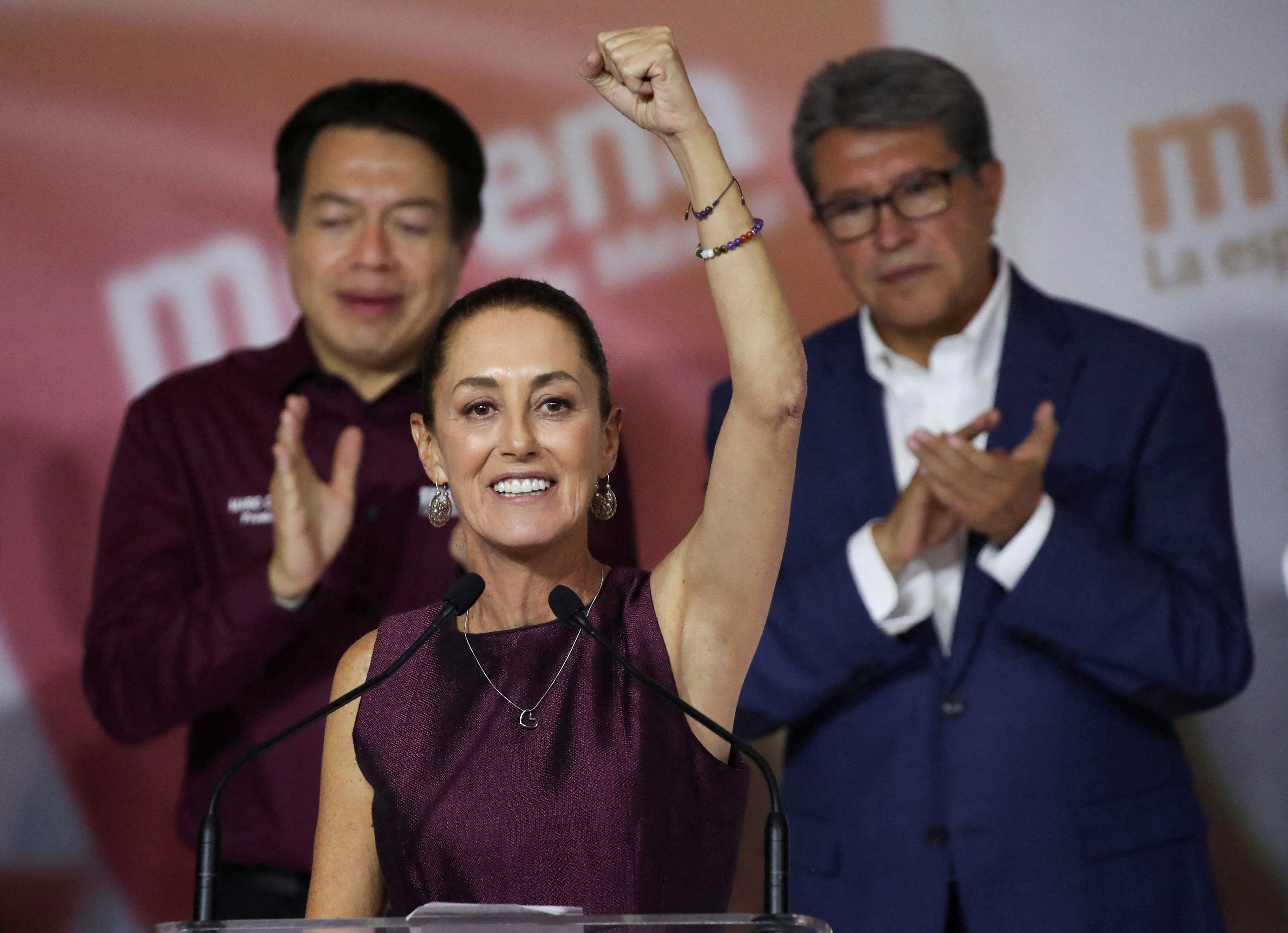
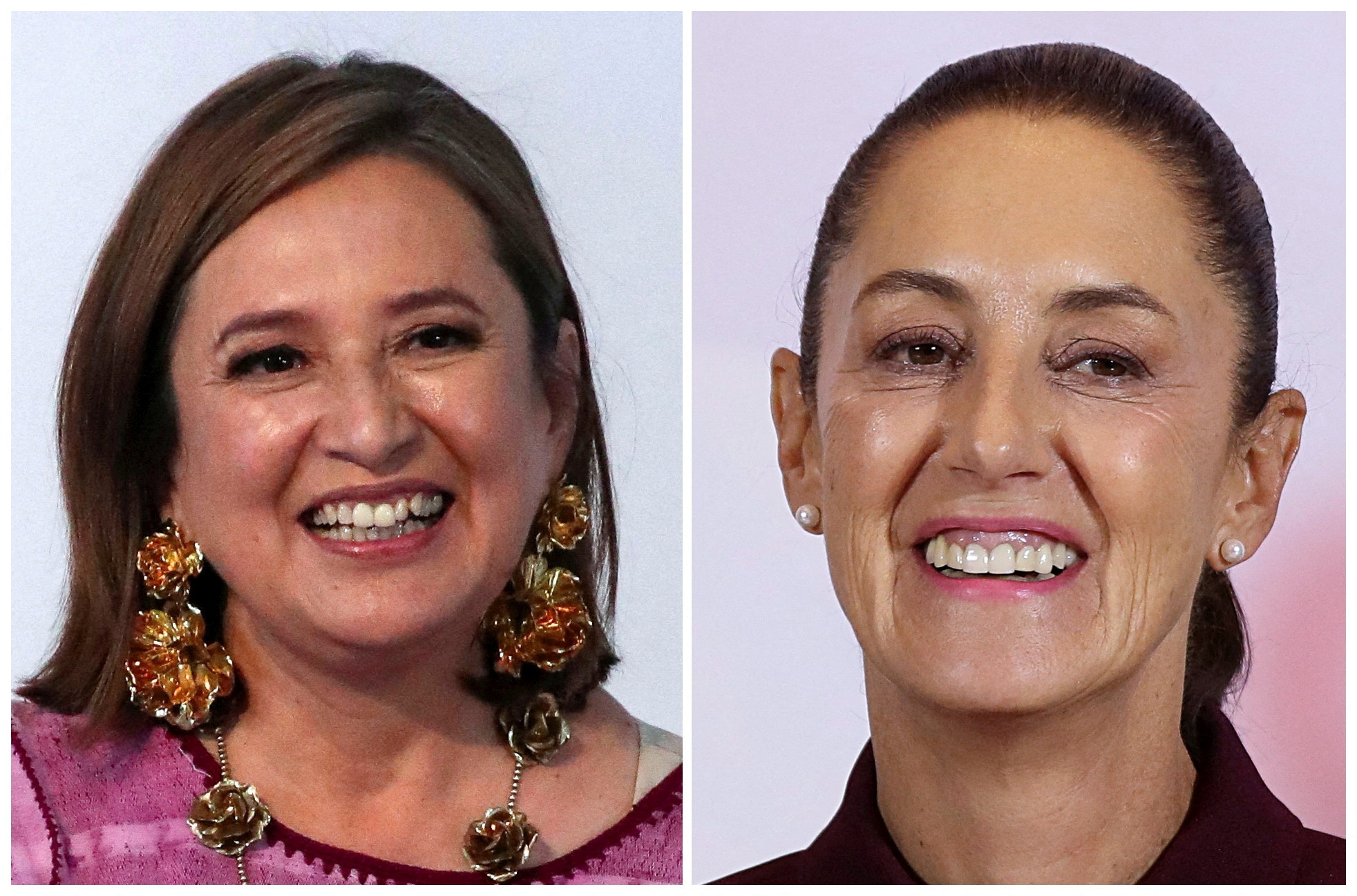
When Mexican presidential contenders Claudia Sheinbaum and Xochitl Galvez entered politics at the start of the millennium, more than four in five senators in the country were men. Today, the majority are women.
The rise of Sheinbaum, who was named on Wednesday as the ruling party’s candidate for next year’s presidential election, and Galvez, the main opposition contender, is the culmination of a rapid process of female inclusion in politics since 2000.
“It’s extraordinary in a patriarchal country,” said Josefina Vazquez Mota, who made history in 2012 as the first female presidential candidate for one of Mexico’s main parties.
“I’m sure this is going to be a watershed,” added Vazquez Mota, a senator who, like Galvez, represents the center-right National Action Party, or PAN, which ruled from 2000-2012.
Confirmation that both leading candidates for the June 2 election would be women came within days of the Mexican Supreme Court striking down a federal law criminalizing abortion.
Many women in Mexico, who make up 52 percent of the population, hope the government that takes office in October 2024 will empower them as never before.
“Just imagine having a female president in a country as macho as Mexico!” said Maria del Carmen Garcia, 70, a secretary who said women’s pay needs to catch up with men’s.
Latest polls suggest either former Mexico City Mayor Sheinbaum, the current favorite and candidate of leftist President Andres Manuel Lopez Obrador, or Galvez, a businesswoman-turned senator, are likeliest to win the election.
Still, respected former foreign minister Marcelo Ebrard, who was runner-up to Sheinbaum in the ruling National Regeneration Movement’s presidential primary, denounced the contest as unfair and could soon mount a rival bid.
Almost half of continental Latin America, including Brazil, has already elected female heads of government, but only Honduras and Peru currently have women presidents. Victory for Sheinbaum or Galvez would make them the first woman to win a general election in the United States, Mexico or Canada.
Home to the world’s second biggest Roman Catholic population, Mexico was for years a bastion of traditional values that tended to limit women’s access to a life outside the home.
“We’re only just starting to feel these changes now,” said Angelica Rodriguez, 49, an accountant who said she lost her government job two decades ago because she was pregnant. “Because before, men just looked out for men.”
Women remain seriously under-represented in board rooms, are paid significantly less than male counterparts, and are more likely to work in the informal economy, studies show.
Forced marriages of girls still plague Mexico, and violence against women has been rising.
Four in every 100 girls aged 12-17 were either married or in a voluntary conjugal union, or had been, according to a 2020 census.
Meanwhile femicides, or gender-motivated killings of women, have more than doubled since 2015, when 427 were recorded.
Modern Mexico took shape as the Church’s hold on daily life since the Spanish conquest of the Aztec Empire began weakening in response to secular and revolutionary upheaval that often sidelined women, viewing them as a conservative constituency.
Yet no symbol is more synonymous with Mexico than its patron saint, the Virgin of Guadalupe, who according to tradition, in 1531 appeared to an early Aztec convert to Christianity.
The Marian vision was central in converting Mexico to Catholicism, fusing its Mesoamerican and European cultures, and making the virgin something akin to mother of the nation.
“She’s the one that managed to unite the two cultures that seemed irreconcilable,” said former candidate Vazquez Mota.
For most of Mexico’s colonial era, women were largely relegated to the periphery of public affairs.
A famous exception was 17th century nun, writer and poet Sor Juana Ines de la Cruz, an inspiration to feminists who clashed with the Church over women’s right to knowledge.
Pressure began building to enfranchise women voters in the early 20th century, notably in the southeastern state of Yucatan, said Lorenzo Meyer, a historian at the Colegio de Mexico.
Clashes in the 1920s and ’30s between anticlerical heirs of the Mexican Revolution and the Church slowed the drive because of concerns that women, who were deemed to be more pious than men, could hinder the government’s revolutionary agenda, he said.
Then clashes between anticlerical heirs of the 1910-20 Mexican Revolution and the Church slowed the drive because of concerns that women, who were deemed to be more pious than men, could hinder the government’s revolutionary agenda, he said.
Mexican women did not win full voting rights until 1953, 33 years after the neighboring United States.
Spurred on by the end of one-party rule in 2000 and international advances in women’s rights, reforms to increase their political clout gathered pace. By 2019, Mexico had enshrined parity of representation in the constitution.
If parties fail to field at least 50% women candidates, they can be barred from competing.
Mexico now has the joint fourth-highest level of female inclusion in the national parliament worldwide, according to the Inter-Parliamentary Union, a global body of national parliaments. It is well ahead of Brazil, Britain and the United States, where only a quarter of senators are women.
Today, Vazquez Mota said, her PAN ally Galvez no longer had to respond to whether Mexico was ready for a female president.
“I got this question every day and every night of my campaign across the entire country,” she recalled.
Polls indicate that Mexico is ready.
A study published in May by national statistics agency INEGI showed over nine-tenths of the public strongly or somewhat backed having a woman president.
Mexican law restricts presidents to a single six-year term.
Since the 2018 election campaign, more women have won state governorships than in the rest of Mexico’s history; the country has also appointed its first female Supreme Court chief justice and central bank governor. Federal Congress is now half female.
Gabriela Cuevas, a former federal lawmaker and first Mexican to head the Inter-Parliamentary Union, said the political victories were only part of a longer journey: “What’s been done in politics has still to be achieved in all walks of life.”
Working poverty rates have been improving in Mexico, but at the end of the first quarter still afflicted nearly 38% of the population, official data show.
Think tank Mexico Como Vamos reported in May that for every 100 men in working poverty, there were 112 women.
The median wage gap between women and men in Mexico stands at 16.7% – marginally narrower than the U.S., according to data compiled in 2022 by the OECD group of developed nations. But it was above Brazil (11.1%), Turkey (10%) and Argentina (6.3%). INEGI puts the gap higher at 42%, based on mean average income.
And a 2022 study of 182 listed firms by think tank the Mexican Institute for Competitiveness showed that women occupied 11% of board seats and made up just 4% of CEOs.
The post In “macho“ Mexico, stage set for first female president first appeared on The News And Times – thenewsandtimes.com.
In the past, Vice has documented the history of censorship on YouTube. More recently, since the company’s near implosion, it became an active participant in making things disappear.
In June, six months after announcing a partnership deal with a Saudi Arabian government-owned media company, Vice uploaded but then quickly removed a documentary critical of the Persian Gulf monarchy’s notorious dictator, Crown Prince Mohammed bin Salman, or MBS.
The nearly nine-minute film, titled “Inside Saudi Crown Prince’s Ruthless Quest for Power,” was uploaded to the Vice News YouTube channel on June 19, 2023. It garnered more than three-quarters of a million views before being set to “private” within four days of being posted. It can no longer be seen at its original link on Vice’s YouTube channel; visitors see a message that says “video unavailable.” Vice did not respond to a request for comment on why the video was published and then made private or if there are any plans to make the video public again.
The Guardian first reported that a “film in the Vice world news Investigators series about Saudi crown prince Mohammed bin Salman was deleted from the internet after being uploaded.” Though Vice did remove the film from its public YouTube channel, it is, in fact, not “deleted from the internet” and presently remains publicly accessible via web archival services.
Vice’s description of the video, now also unavailable on YouTube, previously stated that Saudi Crown Prince Mohammed “orchestrates The Ritz Purge, kidnaps Saudi’s elites and royal relatives with allegations of torture inside, and his own men linked to the brutal hacking of Journalist Khashoggi – a murder that stunned the world.” The description goes on to state that Wall Street Journal reporters Bradley Hope and Justin Scheck “attempt to unfold the motivations of the prince’s most reckless decision-making.” Hope and Scheck are the co-authors of the 2020 book “Blood and Oil: Mohammed bin Salman’s Ruthless Quest for Global Power.”

A screenshot from the documentary “Inside Saudi Crown Prince’s Ruthless Quest for Power,” which Vice News deleted from its YouTube channel.
Image: The Intercept; Source: Vice News
In the documentary, Hope states that Crown Prince Mohammed is “disgraced internationally” owing to the Jamal Khashoggi murder, a topic which Vice critically covered at length in the past. More recently, however, Vice has shifted its coverage of Saudi Arabia, apparently due to the growth of its commercial relationship with the kingdom. The relationship appears to have begun in 2017, owing to MBS’s younger brother, Khalid bin Salman, being infatuated with the brand; bin Salman reportedly set up a meeting between Vice co-founder Shane Smith and MBS.
By the end of 2018, Vice had worked with the Saudi Research and Media Group to produce promotional videos for Saudi Arabia. A few days after the Guardian piece detailing the deal came out, an “industry source” told Variety (whose parent company, Penske Media Corporation, received $200 million from the Saudi sovereign wealth fund earlier that year) that Vice was “reviewing” its contract with SRMG.
A subsequent Guardian investigation revealed that in 2020, Vice helped organize a Saudi music festival subsidized by the Saudi government. Vice’s name was not listed on publicity materials for the event, and contractors working on the event were presented with nondisclosure agreements.
In 2021, Vice opened an office in Riyadh, Saudi Arabia. The media company has gone from being “banned from filming in Riyadh” in 2018 to now actively recruiting for a producer “responsible for developing and assisting the producing of video content from short form content to long-form for our new media brand, headquartered in Riyadh.” The company lists 11 other Riyadh-based openings.
Commenting on the opening of the Riyadh office, a Vice spokesperson told the Guardian that “our editorial voice has and always will report with complete autonomy and independence.” In response to the Guardian recently asking about the rationale for the removal of the film, a Vice source stated that this was partially owing to concerns about the safety of Saudi-based staff.
In September 2022, the New York Times reported that Vice was considering engaging in a deal with the Saudi media company MBC. The deal was officially announced at the start of 2023. Most recently, the Guardian reported that Vice shelved a story which stated that the “Saudi state is helping families to harass and threaten transgender Saudis based overseas.” In response to this latest instance of apparent capitulation to advancing Saudi interests, the Vice Union issued a statement saying that it was “horrified but not shocked.” It added, “We know the company is financially bankrupt, but it shouldn’t be morally bankrupt too.”
Meanwhile, a map of Saudi Arabia reportedly hangs on a wall in Vice’s London office.
The post Vice Pulled a Documentary Critical of Saudi Arabia. But Here It Is. appeared first on The Intercept.
The post Vice Pulled a Documentary Critical of Saudi Arabia. But Here It Is. first appeared on The News And Times – thenewsandtimes.com.

