Categories
The News And Times – thenewsandtimes.com

Bolivia hardens tone on cocaine “mega labs“, signaling crackdown


2023-09-02T11:36:35Z

In a break with the past, Bolivia’s government has acknowledged that the country is becoming a production hub for cocaine rather than a mere transport hub and grower of raw coca leaves.

Along with Colombia and Peru, Bolivia is widely recognized as a leading world producer of coca, the raw ingredient for cocaine, but the government has long maintained production of consumption-ready cocaine was limited.

In a shift of tone this week, the government said it had destroyed a large number of laboratories, mostly in the tropical Chapare region, one of the main coca growing areas and a stronghold of former leftist President Evo Morales.

“In 2023 alone, our administration has destroyed more than 27 mega laboratories (there) for the crystallization of cocaine hydrochloride,” Minister of Government Eduardo del Castillo told reporters, referring to the salt or powdered form of the drug.

“They are trying to turn our nation from being a drug transit country to a drug-producing country,” he added and presented a drug trafficking map of some 1,804 drug factory busts since 2020, the “vast majority” in Chapare, he said.

The acknowledgement underscores the pressure the government faces abroad and at home to tackle the issue as well as tensions between socialist MAS President Luis Arce and Morales, his MAS party rival and a former coca union leader in Chapare.

The government has been prodded to act domestically, including by allies of Morales – president from 2006 until 2019 – who suggest the government has been soft on traffickers.

“In these 17 years, the MAS governments have insisted that in Bolivia there was only the phenomenon of transit of Peruvian coca to other places,” Bolivian economist and former drug trafficking analyst Carlos Toranzo told Reuters.

“At the same time Bolivia has managed to transition from basic paste to hydrochloride.”

Beneath the shift in rhetoric, he added, were growing tensions in MAS over who would lead it into elections in two years: Arce or Morales.

“What’s going on here? It’s the candidacy for 2025, each one wants to take the other out of the game,” Toranzo said.

“In Bolivia we are experiencing a dispute between two factions of the MAS, each one pointing the finger at the other suggesting that they are protecting drug traffickers.”

Related Galleries:

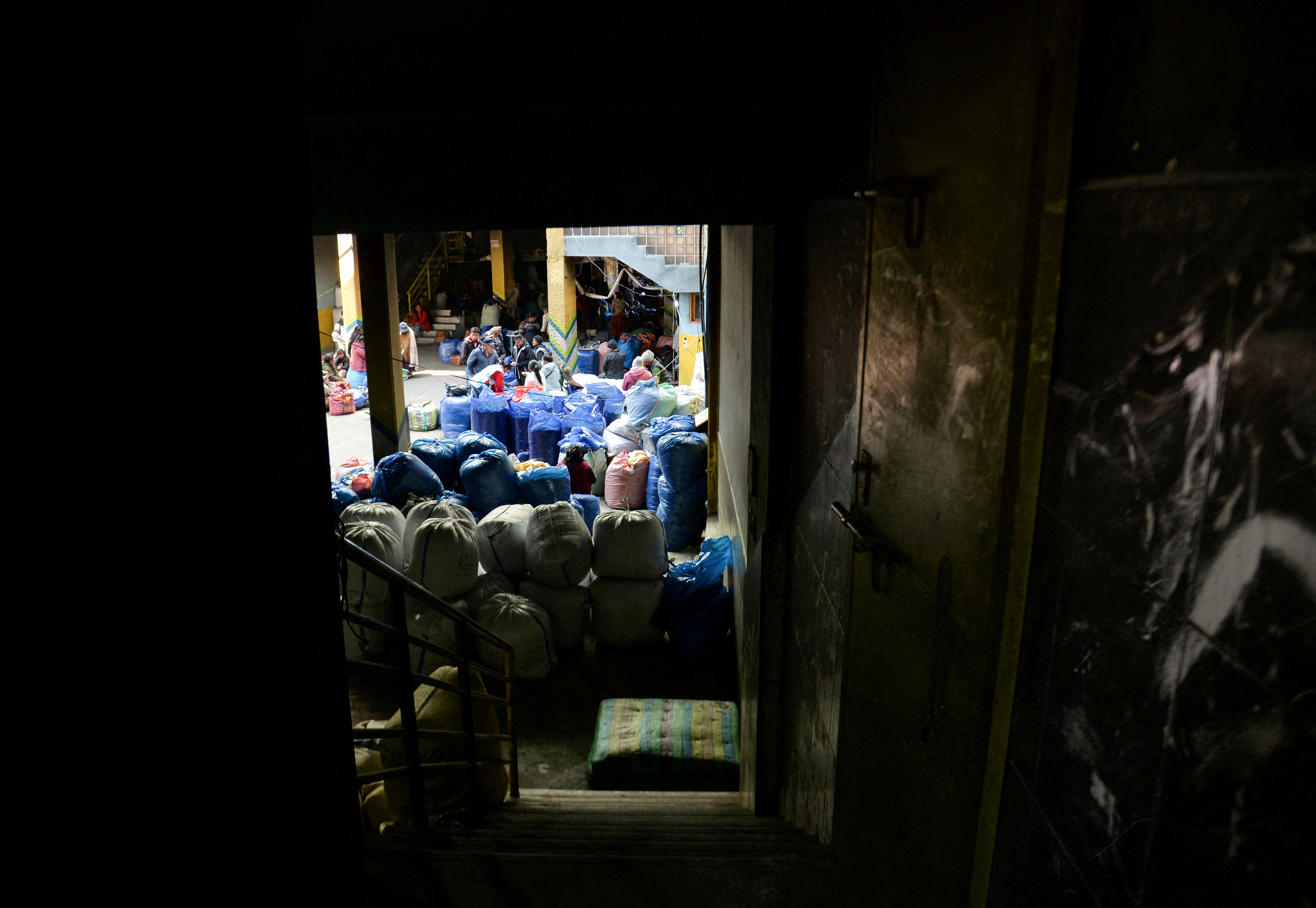
A view shows coca growers waiting for customers during the reopening of the coca market of the Departmental Association of Coca Producers (ADEPCOCA) after the organisation’s building was partially burned down following months of protests against the market, in La Paz, Bolivia October 10, 2022. REUTERS/Claudia Morales/File Photo

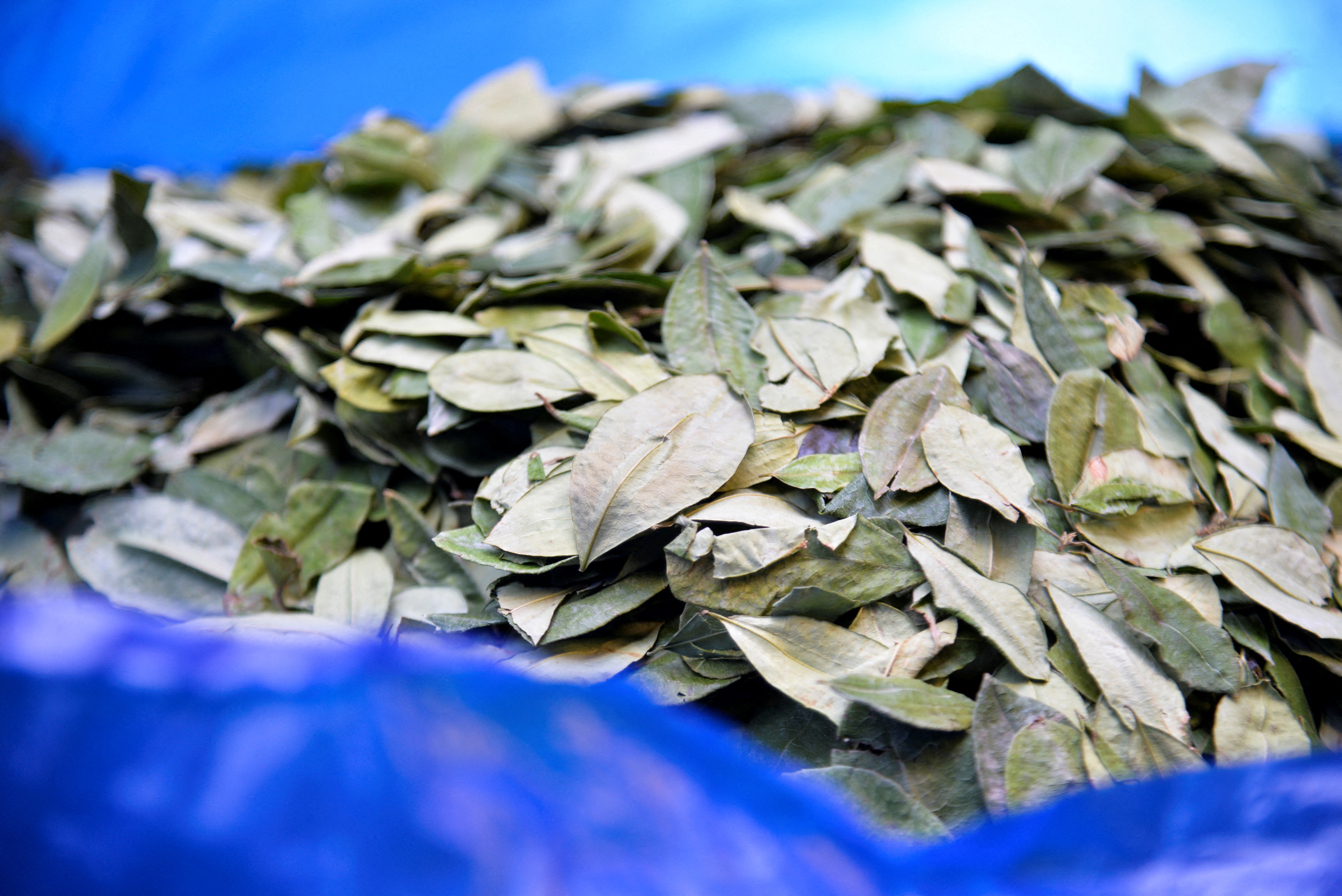
Coca leaves that for sale are pictured at a market during the reopening of the coca market of the Departmental Association of Coca Producers (ADEPCOCA) after the organisation’s building was partially burned down following months of protests against the market, in La Paz, Bolivia October 10, 2022. REUTERS/Claudia Morales/File Photo

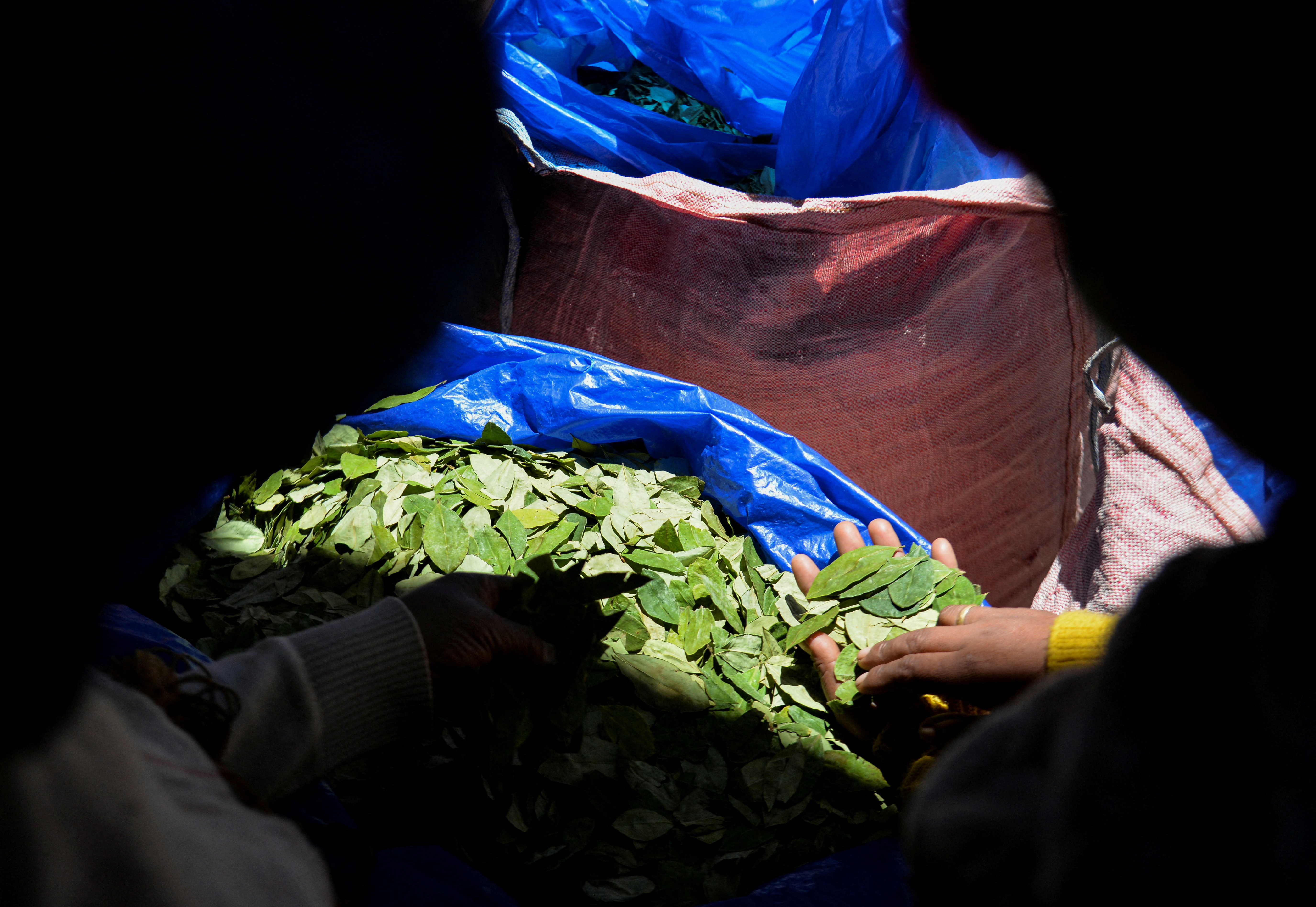
A customer looks at the coca leaves that are for sale at a market during the reopening of the coca market of the Departmental Association of Coca Producers (ADEPCOCA) after the organisation’s building was partially burned down following months of protests against the market, in La Paz, Bolivia October 10, 2022. REUTERS/Claudia Morales/File Photo

The post Bolivia hardens tone on cocaine “mega labs“, signaling crackdown first appeared on The News And Times – thenewsandtimes.com.


Categories
The News And Times – thenewsandtimes.com

US officials meet with leaders of Ukraine’s anti-corruption institutions, FBI and NABU sign memorandum


Minimalistic-Creative-Agency-Business-Ba

On 1 September 2023, the US Departments of State, Justice, and Treasury, FBI, as well as the White House and the USAID, hosted leaders of Ukraine’s main anti-corruption institutions, including the director of the National Anti-Corruption Bureau of Ukraine Semen Kryvonos, Special Anti-Corruption Prosecutor Oleksandr Klymenko, and the Chief Justice of the High Anti-Corruption Court Vira Mykhailenko. All these institutions were created in the framework of Ukraine’s post-2014 anti-corruption reforms.

The press service of the US Department of State provided little public details about the results of the meeting, saying that “The United States applauds Ukraine’s commitment to anti-corruption efforts even amid Russia’s brutal full-scale invasion and supports Ukraine as it works to implement key anti-corruption reforms aimed at securing its democratic future, built on the rule of law. Strong and decisive action by Ukraine’s government and its independent anti-corruption institutions, as well as vigilance by civil society and media, continue to be important to counter corruption, ensure transparency in public procurement, build investor confidence, and hold those in positions of public trust to account,

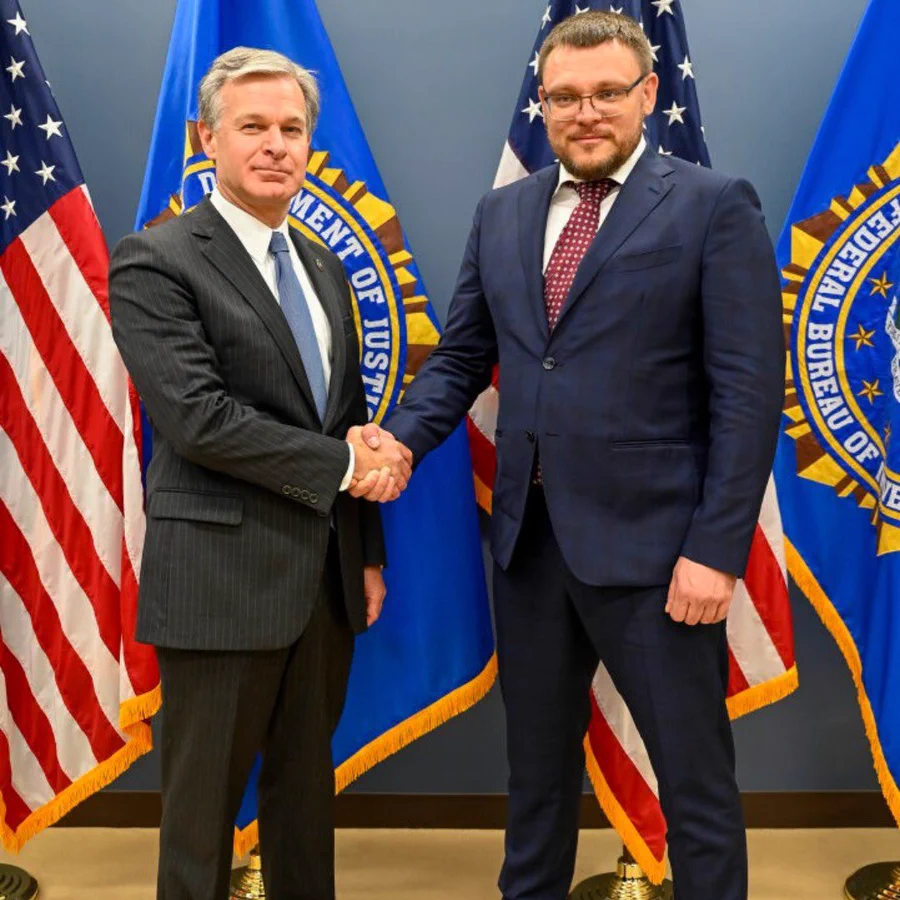
Ukraine’s National Anti-Corruption Bureau also informed that it signed the Memorandum of Understanding with the FBI. The director of the Bureau, Serhiy Kryvonos, and FBI director Christopher Wray signed the memorandum.

The National Anti-Corruption Bureau of Ukraine and the Federal Bureau of Investigation of the United States will deepen cooperation in investigations of corruption crimes, combating money laundering, and asset recovery. The relevant intentions are recorded in the Memorandum of Understanding between NABU and the FBI, which was signed on 31 August 2023,” the NABU informed.

Within the framework of the newly concluded Memorandum between NABU and the FBI, the parties will exchange information, conduct training, and implement joint efforts in investigating corruption crimes. Previously, thanks to the cooperation of the FBI and NABU, Bureau employees had the opportunity to undergo several trainings and receive equipment necessary for effective investigation.

Also, during the visit, the US National Security Advisor Jake Sullivan met with the leaders of Ukrainian anti-corruption institutions. According to the White House, they discussed the progress Ukraine has made in combatting corruption and safeguarding the autonomy of these crucial institutions.

You could close this page. Or you could join our community and help us produce more materials like this. 
We keep our reporting open and accessible to everyone because we believe in the power of free information. This is why our small, cost-effective team depends on the support of readers like you to bring deliver timely news, quality analysis, and on-the-ground reports about Russia’s war against Ukraine and Ukraine’s struggle to build a democratic society.
A little bit goes a long way: for as little as the cost of one cup of coffee a month, you can help build bridges between Ukraine and the rest of the world, plus become a co-creator and vote for topics we should cover next. Become a patron or see other ways to support.
Become a Patron!

The post US officials meet with leaders of Ukraine’s anti-corruption institutions, FBI and NABU sign memorandum first appeared on The News And Times – thenewsandtimes.com.


Categories
The News And Times – thenewsandtimes.com

In Japan’s Okinawa, Indo-Pacific Tensions Rekindle Pain of Past Conflict


Gushiken Takamatsu balances his spectacles on the tip of his nose before switching on his headlight, revealing the blackened fragments on the floor of the cave. Using an old plasterer’s tool, he gently combs through the debris before picking out a jagged, triangular piece of bone.

“Zugaikotsu,” he says, in a gentle Okinawan accent. “Skull.” He points to the patterns created by blood vessels on the inside of the skull, clearly visible after nearly 80 years.

The 69-year-old speaks quietly to himself as he collects other pieces from the cave floor — fragments of finger bones and what appears to be a kneecap. “Is this dead person a soldier or a civilian?” he asks. “I think it was a flamethrower that did this. Everything is burned.”

The jungle caves of Okinawa hide the remains of thousands of civilians and soldiers, victims of the last major battle of World War II.

On April 1, 1945, American forces invaded the southern Japanese islands of Okinawa, triggering one of the bloodiest land battles of the Pacific. Takamatsu has spent decades searching for the remains of those who died. Now he fears Okinawa is once again caught in the crosshairs of potential conflict.

Cave diggers

For decades, the bones of the victims have lain undisturbed as Japan tried to forget its wartime past. That shames the nation, says Takamatsu. The Okinawan native founded Gamafuya, or “cave digger,” a small group of volunteers dedicated to finding the remains of wartime victims and reuniting them with their living descendants.

“I’m often asked why I started doing this,” Takamatsu says. “I was born in Naha city [the Okinawan capital], and there were many remains of people who died in the war around my house. It was the kind of place where you would still see skeletons wearing steel helmets when you went out to play in the mountains. When I was a child it was just scary. But as I got older and matured, I wondered why the victims of this war were still there.”

‘Never-ending’

Through 40 years of searching, Takamatsu has discovered the remains of over 700 people. The Japanese government does not provide financial help. Finally, in 2011, it agreed to offer DNA testing on the remains. However, the number of Japanese citizens registered on the database is small, while many relatives of the victims have likely already died.

“We are one or two volunteers,” Takamatsu tells VOA. “In reality, the government should be doing this. But even though we ask, they refuse. I want to show that if you look for the remains in this way, you can find them. This work isn’t finished yet.”

He gathers together the fragments he has found, before saying a short prayer — and promises that he will return to the cave to finish the search another day. “After about five hours, if I do more than that, I’ll get too tired. So I’ll do it next time,” he says. “This work is never-ending.”

Reunited

Hacking through the jungle, Takamatsu heads to another site where he has found human remains. He climbs over the jagged rocks and into a shaded ravine. At the base, several long bones are neatly aligned beneath the decaying leaves and soil. Other remains are concealed beneath large rocks that have cascaded down the ravine, possibly as a result of the ferocious battles that raged above 78 years ago.

Takamatsu measures a radius, or forearm bone, and determines that the remains belong to an adult male, before jotting his discovery in a battered field notebook. He will have to return with other volunteers to help shift the rocks and remove the other remains.

Takamatsu notifies the police of each of his finds. The bones are taken to a makeshift morgue at the local peace museum before being sent for DNA testing.

So far, Takamatsu has been able to identify four bodies and reunite the bones with their surviving relatives. All were from the Japanese mainland — soldiers sent to Okinawa to fight the American invasion.

The families “didn’t believe me at first,” Takamatsu says. “They were suspicious and thought it was a scam. But I understand how they felt. For 70 years they didn’t hear anything, and then they get a phone call to say their relative had been found. It was like their father was coming home. They were very happy.”

Battle of Okinawa

The American invasion of Okinawa triggered three months of ferocious fighting. Around 90,000 Japanese soldiers and 12,000 U.S. troops had been killed by the time American forces seized the capital, Naha, in early June 1945. The United States feared such losses would continue if its forces invaded the Japanese mainland. Those concerns partly led to the decision to drop nuclear bombs on Hiroshima and Nagasaki two months later. Japan surrendered on August 15, 1945.

The civilian toll in Okinawa was even higher, with an estimated 100,000 people killed — around a quarter of the prewar population of the islands.

The Japanese government told local inhabitants that they would be beaten and murdered by U.S. forces. Many hid in the island’s caves. Some committed suicide as the fighting approached.

“The inhabitants were not allowed to surrender. If you surrendered to the Americans and tried to walk out with your hands up, the Japanese would shoot you in the back,” Takamatsu tells VOA.

“They were told that no one would survive if captured by the U.S. military,” he says. “They said that women would be beaten and killed, while all the men would be lined up on the road and run over by tanks. So, the residents were very afraid of the American military. However, it wasn’t until after they became prisoners of war that they realized that wasn’t true. The U.S. military provided the residents with food and medical care.”

Allies

Fast forward to the present, and the United States and Japan are now close allies. Okinawa hosts almost 30,000 American troops, and it is among the most important U.S. military bases in the Pacific, seen by Washington as an increasingly vital deterrent amid growing Indo-Pacific tensions.

In the remote Henoko Bay on the east coast of the island, a new U.S. air base is being built. It’s hoped the new base will relieve pressure on existing facilities, especially the Futenma air base, which is located in a residential area north of Naha and has long created tensions with locals.

However, some of the earth used in the construction of the Henoko base is being excavated from the south of Okinawa — from battlegrounds where U.S. forces came ashore in 1945.

Local authorities insist the material is screened before it is dug up. Takamatsu says it likely contains the remains of Japanese and American soldiers. “This is blasphemy against the dead. I’m imploring them to stop doing it,” he says.

China tensions

Meanwhile, as regional tensions escalate with China over Taiwan, and with North Korea over its missile and nuclear weapons programs, there are growing fears that these heavily militarized islands could once again be caught in the crosshairs of a Pacific war.

“Missiles will fly to Okinawa again. If there is a war, this place will be attacked. That’s what bothers me the most,” Takamatsu tells VOA. “Let’s all stand together. Let’s eliminate war from the Earth. I believe that if we ordinary citizens join hands, we can do it.”

A solitary figure searching through the caves, Takamatsu is trying to heal the wounds of Okinawa’s past; to offer the victims dignity where the state has failed to intervene; to show respect for sacrifice where much of the nation would rather leave the remains to decay undisturbed, along with that troubled period of Japanese wartime history.

Takamatsu’s painstaking work is also an act of protest against war — an appeal for peace — as the danger of conflict once again edges closer to these islands.
The post In Japan’s Okinawa, Indo-Pacific Tensions Rekindle Pain of Past Conflict first appeared on The News And Times – thenewsandtimes.com.


Categories
The News And Times – thenewsandtimes.com

Psychological profile of Hungary’s Prime Minister 


Viktor Orbán is a Hungarian state figure and politician, a pro-Russian leader in Europe, and Eurosceptic, who used harsh language to criticize Russia up to a certain time. 

His model of government rule is a complete replica of the German one. He strengthened the role of prime minister in Hungary‘s government, with hands layed on the main leverage of management decision -making. 

When a person is eager to keep everything under control, he starts showing authoritarian power to cement his position mentally and politically.  Motivation has shifted for Orbán, a  conservative leader early in his career, to authoritarian ambition today. Driven at first by leader’s ambitions, he is now eager to maintain his dominance in Hungarian society. Having called for free elections in Hungary in 1989, Orbán is now eager to use all available means to preserve his post, as he takes up all media during the election campaign, while his opponent has only 5 minutes to talk.  He won the elections due to propaganda and administrative coercion. That helped him to partially get rid of the fear of losing his political post, which can be compared to the fear of death.

 His speeches sound like he immitates Putin, with all available propaganda and disinformation tools to preserve power. That has triggered a major shift in his morality.

  What Orbán says and does is prepared in advance, so that he could see real global responce to things that are important to him. In 2009, for example, Orbán called ethnic Hungarians living in Slovakia a “state-building community”, at 2022 FIFA World Cup, he deliberately wore a scarf with a map of Hungary before 1918. That is not a mere provocation, scandal or demonstration of his audacity. He models his inner desires that way. If to speak about his personality, his active life stance plays major role, with consciously regulated behavior, as everything he does is a well thought out plan.

As a leader, Orbán knows how to take responsibility for his decisions. That applies only to Hungarians, as home policy and holding on to power are the only things he cares about. As for foreign policy, he view the actors as means of maintaining power in Hungary. This also applies to Russia.

 Orbán is an extroverted type of human personality, with strong and mobile nerve processes. Orbán is choleric by temperament. He is active, goal-oriented, motivated, and proactive. He turns his initiative into constructive action. As choleric, he is also unstable and impulsive, which is clearly seen in his speeches. He is quite aggressive in conflicts, hot-tempered, he poorly controls his emotions. His mood, and his thoughts, are constantly changing.

Orbán often praises himself, proudly talking about his achievements.

He resorts to  Russian propaganda narratives in his speeches, with other people’s ideas passed off as his own. He is critical by nature, and it’s difficult for him to control his real attitude to things that bother him. Speaking of the sanctions imposed on Russia, for example, he claims they are ineffective, thus demonstrating he’s negative and dismissive to whole EU decision-making, and on the other hand – positive to Moscow.

He blames others for lack of success.

Orbán is a self-confident speaker who knows how to keep his internal audience by mere manipulation of moderate utility prices and other populist topics. He easily adapts to changing conditions, resorts to tricks to achieve a specific goal, but all this makes him involved in corruption schemes of  Russia’s energy business.

Orbán has high self-esteem, but now his emotional state is unstable, as he seeks to satisfy the Kremlin and preserve Brussels’ money at the same time.Orbán now starts taking care of his political image. That’s his Achilles heel. He is aware Moscow will eventually lose him as an ally, and he will again change his stance and ideology in an effort to hold on to power and preserve support by the EU, as he will be unable to avoid economic crisis in the country without it.

The post Psychological profile of Hungary’s Prime Minister  first appeared on The News And Times – thenewsandtimes.com.


Categories
The News And Times – thenewsandtimes.com

The FBI and NABU signed an MOU to work together to combat corruption and other transnational threats


FBI Director Christopher Wray

This week,

and the Director for the National Anti-Corruption Bureau of Ukraine discussed opportunities to collaborate on corruption and other transnational threats. The #FBI and NABU signed an MOU to work together to combat these global issues.

Image

The FBI and NABU signed an MOU to work together to combat corruption and other transnational threats – GS

_________________________________________________

The News And Times Information Network – Blogs By Michael Novakhov – thenewsandtimes.blogspot.com

The post The FBI and NABU signed an MOU to work together to combat corruption and other transnational threats first appeared on The News And Times – thenewsandtimes.com.


Categories
The News And Times – thenewsandtimes.com

The FBI and NABU signed an MOU to work together to combat corruption and other transnational threats


FBI Director Christopher Wray

This week,

and the Director for the National Anti-Corruption Bureau of Ukraine discussed opportunities to collaborate on corruption and other transnational threats. The #FBI and NABU signed an MOU to work together to combat these global issues.

The FBI and NABU signed an MOU to work together to combat corruption and other transnational threats – GS

_________________________________________________

The post The FBI and NABU signed an MOU to work together to combat corruption and other transnational threats first appeared on The News And Times – thenewsandtimes.com.


Categories
The News And Times – thenewsandtimes.com

British-Ukrainian Project Developing ‘Handbook’ for Constitutional Democracy in Ukraine


8645d4cf3f5ab0926bf655ddaef54518.jpg?w=1

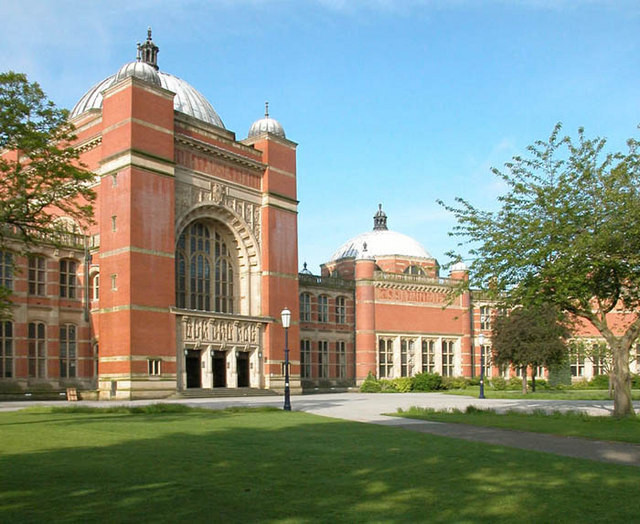
Birmingham (UK) and Lviv Universities proud of their collaborative initiatives.

The post British-Ukrainian Project Developing ‘Handbook’ for Constitutional Democracy in Ukraine first appeared on The News And Times – thenewsandtimes.com.


Categories
The News And Times – thenewsandtimes.com

Memorandum of Understanding Signed Between FBI and NABU


On June 29, 2016,  Acting Deputy Assistant Director Mathew S. Moon of the Federal Bureau of Investigation (FBI) and Director Artem Sytnyk of the National Anti-Corruption Bureau of Ukraine (NABU) signed a Memorandum of Understanding (MOU) to strengthen existing cooperation between the agencies as they pursue anti-corruption initiatives.  The memorandum establishes that the FBI and NABU will work together on crimes related to international money laundering, international asset recovery, and Ukrainian high-level official bribery and corruption. The memorandum sets out the framework for cooperation between the agencies in combating these crimes of mutual interest.   The participants intend to implement the MOU in the spirit of partnership and cooperation in addressing the corruption problem.

By U.S. Embassy Kyiv | 29 June, 2016 | Topics: Press Releases

Suggested for You

The post Memorandum of Understanding Signed Between FBI and NABU first appeared on The News And Times – thenewsandtimes.com.


Categories
The News And Times – thenewsandtimes.com

Cosplay or KGB: The Weird Story of a Coast Guard Vet and His Wife Who Stole Dead Infants’ Identities


KGB-Baby.jpg

It is not often we see the Diplomatic Security Service (DSS) of the State Department filing criminal complaints in a national security investigation, yet that is what occurred this past week. We learn from the recently unsealed criminal complaint the DSS has uncovered what may be two individuals who have been living under false identities for decades. The identities used by the couple belong to children who died in infancy. The individuals’ true names are provided in the court documents as Walter Glenn Primrose and Gwynn Darle Morrison. The identities under which they have been living are Bobby Edward Fort and Julie Lyn Montague.

Identity swap

Primrose and Morrison changed their identity in 1987 from their true name, to that of deceased infants. Primrose obtained the death records of the deceased infant, Bobby Edward Fort who according to public records was born in mid-1967 and late-1967 in Burnet, TX and is buried in Marble Falls City Cemetery. Morrison went on to obtain the death records of the deceased infant Julie Lyn Montague, who perished in 1968 in Burnet, TX and is buried in Burnet Cemetery, about 14 miles from where Fort’s gravesite is located, according to the court documents.

Having obtained the birth and death certificates of the infants, the couple set about laundering their personas. They obtained Texas driver’s licenses and identity cards in their new names. They also obtained social security numbers for both personas. The DSS investigation showed that in less than six months, the two had enough personal identifying documentation to fully assume the identities of Bobby Fort and Julie Montague.

The court documents point to the April 4, 2014, acquisition of a passport by Primrose in the Fort false identity – a felony, which the DSS is charged with investigating. On April 8, 2016 Morrison renewed her Montague passport – also a felony, investigated by DSS. But the crimes don’t stop there.

DSS found Primrose had since 1988 had five U.S. passports in the name of Fort – three tourist passports and two official passports. Interestingly, Primrose also had over the years had submitted passport applications and received passports in that name as well. So both Fort and Primrose passports had been issued and upon closer inspection associated with this investigation, the photos used for each showed the same individual.

For her part, Morrison had three passports issued in the name of Montague, with her current passport under that name issued in April 2016.

Coast Guard years

Primrose and Morrison then went on to marry one and another, again, this time in the names of Fort and Montague. Then in 1994 the Fort persona enlisted in the U.S. Coast Guard, serving within the Coast Guard until 2016 under the name of Fort, when he retired after 20 years of service. They landed in Hawaii and in the course of this investigation it was discovered that Primrose used his Fort passport as bonafides to obtain a Hawaii driver’s license.

Soviet Union KGB

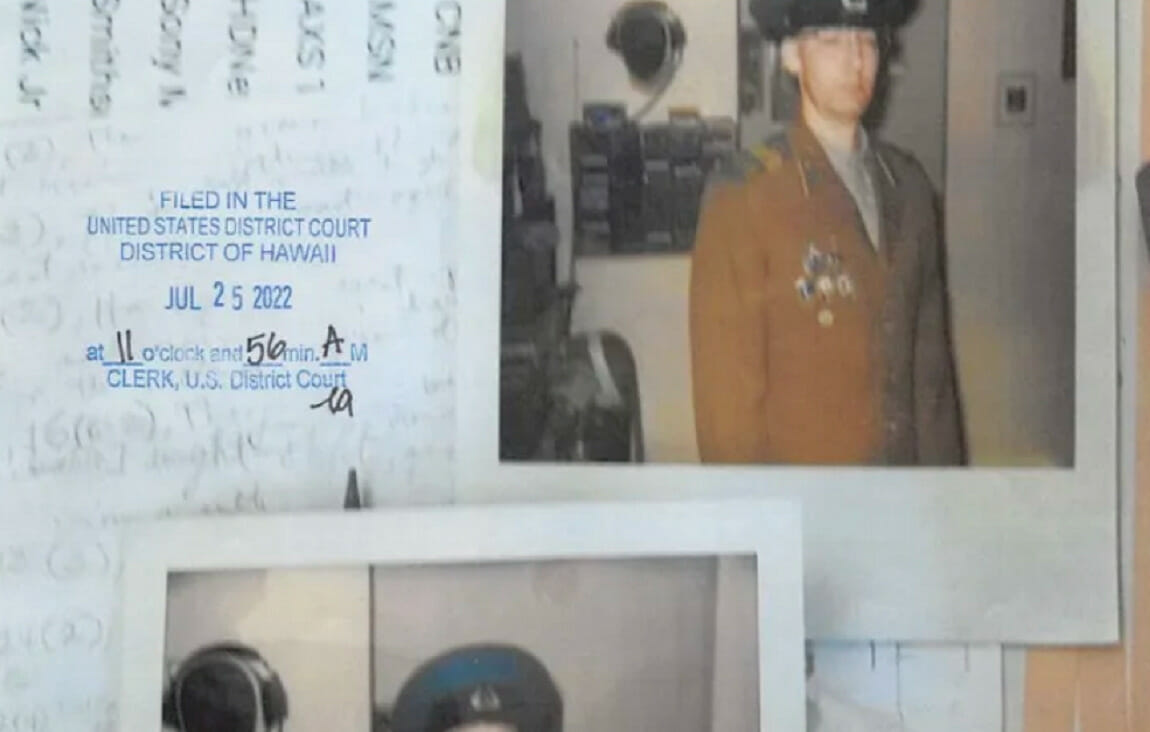
The court documents list a number of felonies that the couple are believed to have committed. Interesting, and without explanation, the court documents contain two photos of Primrose and Morrison in what is believed to be KGB uniforms.

While the DSS and other federal entities, including the FBI, may know the rest of the story via their investigatory efforts, the court documents do not tell us if the couple had a formal relationship with Soviet/Russian intelligence.

Readers will recall the case of former green beret captain, Peter Debbins, who was photographed in a Soviet military uniform as part of his recruitment by the GRU.

Thus the intrigue of this tale is the fact the modus operandi of the First Chief Directorate, Directorate S which is charged with supporting the “illegal” intelligence officers of the SVR (Russian foreign intelligence service) in their deployment abroad mirrors the efforts used by Primrose and Morrison to manufacture a new identity using the persona of a deceased infant.

The arrest of Primrose and Morrison leaves us with many questions concerning the duo’s relationship with the Soviet Union and then Russia (if any). They may, in fact, be Russian illegal intelligence officers. They can just as likely be two individuals who for their own reasons stole the identities of the deceased and then as some sort of cosplay dressed up in Soviet era KGB uniforms.

The post Cosplay or KGB: The Weird Story of a Coast Guard Vet and His Wife Who Stole Dead Infants’ Identities first appeared on The News And Times – thenewsandtimes.com.


Categories
The News And Times – thenewsandtimes.com

The Beginning of the End of Putin in Crimea


e53d307f284985a204766bb447936b5b.jpeg?w=

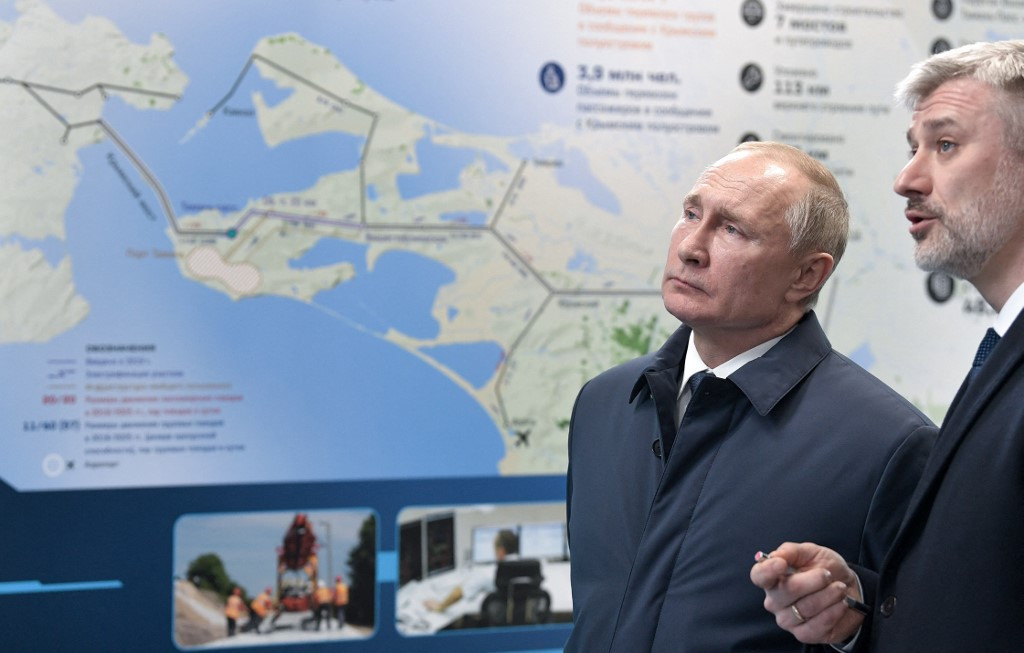
“As Putin’s ‘red line’ increasingly comes under assault, his only recourse remains targeting civilians and Ukrainian grain. Meanwhile, Ukraine keeps pressing south.”

The post The Beginning of the End of Putin in Crimea first appeared on The News And Times – thenewsandtimes.com.